
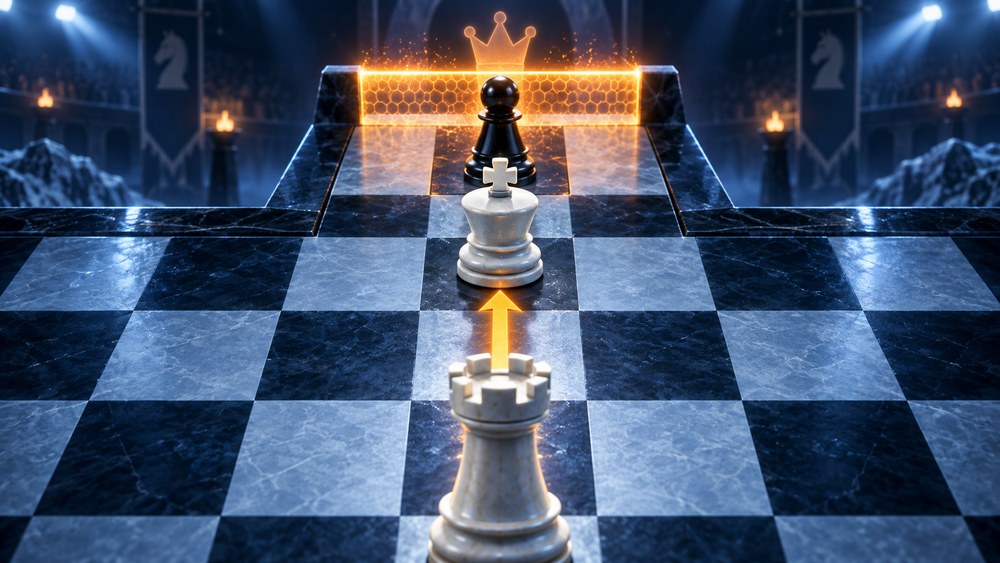
How To Stop A Dangerous Passed Pawn?
🛑 How To Stop A Dangerous Passed Pawn is a practical skill that combines blockade, calculation, and counterplay. The closer a pawn gets to promotion, the more accurately you must coordinate your king and pieces.
The goal is to turn the idea into a practical decision process you can use during real games. The sections below explain what to notice, how to act, and how to train the skill deliberately.
What Does This Idea Mean?
The first defensive goal is to control the square directly in front of the passer. A stable blockade stops its movement and gives you time to attack the pawn’s base or create threats elsewhere. Knights are excellent blockaders, while rooks often work best from behind.
When a direct blockade is impossible, calculate the promotion race exactly. Checks, sacrifices, and counter-passers can change the result even when the pawn appears unstoppable.
🔍 When Should You Look For It?
- The pawn has reached the fifth or sixth rank
- Its supporting king is approaching
- Your pieces are cut off from the promotion square
- A rook can reach behind the pawn
- A checking sequence may gain a decisive tempo
These signs do not replace calculation, but they tell you when the position deserves extra attention. The more of them that appear together, the more likely the theme is to affect the best move.
🧭 A Step-By-Step Plan
- Get in front: Place the king or a suitable piece on the blockade square before the pawn advances again.
- Attack from behind: Bring a rook behind the passer whenever checks and distance make this possible.
- Remove the support: Exchange the piece or pawn that protects the passer rather than attacking the pawn blindly.
- Create counterplay: Force the opponent to respond by activating your own passer or threatening the king.
- Calculate the sacrifice: Giving up a piece for the pawn may save the game if the remaining position is drawable.
Work through the steps in order until the process becomes natural. In a practical game, you may complete the scan in seconds because the relevant relationships are already familiar.
♟️ A Practical Example
A connected passer on the sixth rank may look decisive, but a rook that checks from the side can separate the enemy king from it. The exact checking distance matters. If the king finds shelter, the rook may need to switch behind the pawn before it reaches the seventh rank.
Notice that the correct decision comes from the position’s demands rather than a slogan. Good chess principles guide your search, while concrete calculation confirms the move.
❌ Common Mistakes
- Waiting until the pawn is one square from promotion
- Blocking with a piece that can be driven away immediately
- Putting the rook in front when it could attack from behind
- Ignoring perpetual-check chances against the enemy king
The most dangerous mistake is using a correct idea in the wrong position. Always compare the strategic plan with immediate tactical details before committing.
🎯 A Training Method That Works
Create positions with a pawn on the fifth, sixth, and seventh ranks and test different defensive setups. Before moving, calculate three questions: can I blockade, can I check from behind or the side, and can I trade the support? This checklist turns panic into calculation.
Keep the exercises short enough to repeat consistently. Regular focused sessions create stronger pattern recognition than one long session followed by several weeks without practice.
✅ Quick Checklist
- Get in front
- Attack from behind
- Remove the support
- Create counterplay
- Calculate the sacrifice
Use this checklist during training first. With repetition, it becomes a fast internal scan that supports better decisions without consuming too much time.
♟️ Coach’s Practical Test
Start with an enemy passed pawn on the sixth rank and rank your defensive resources before moving: blockade, attack from behind, lateral checks, king approach, and a counter-passed pawn. Calculate the opponent’s fastest promotion line against each method.
Now remove one defending tempo and repeat. This reveals which defensive idea is positionally reliable and which works only tactically. A correct blockade is not just a piece placed in front of the pawn; it must survive support from the enemy king and pieces.
Continue Your Training
Develop this skill through structured lessons and practical examples in the Complete Endgame Course.
Final Thoughts
Dangerous passed pawns are stopped early. Establish a blockade, attack the support, activate from behind, and calculate counterplay before the promotion threat becomes forcing.
🌟 Improvement comes from recognizing the right moment, following a clear process, and reviewing the result honestly. Apply the idea in your own games until it becomes part of your natural thinking.

You may also like

How to Study a Chess Course: 5 Easy Steps

How To Play Gambit Positions In Chess?