Turn video lessons, PDFs and PGNs into practical chess training with five easy steps and a focused 25-minute study routine.
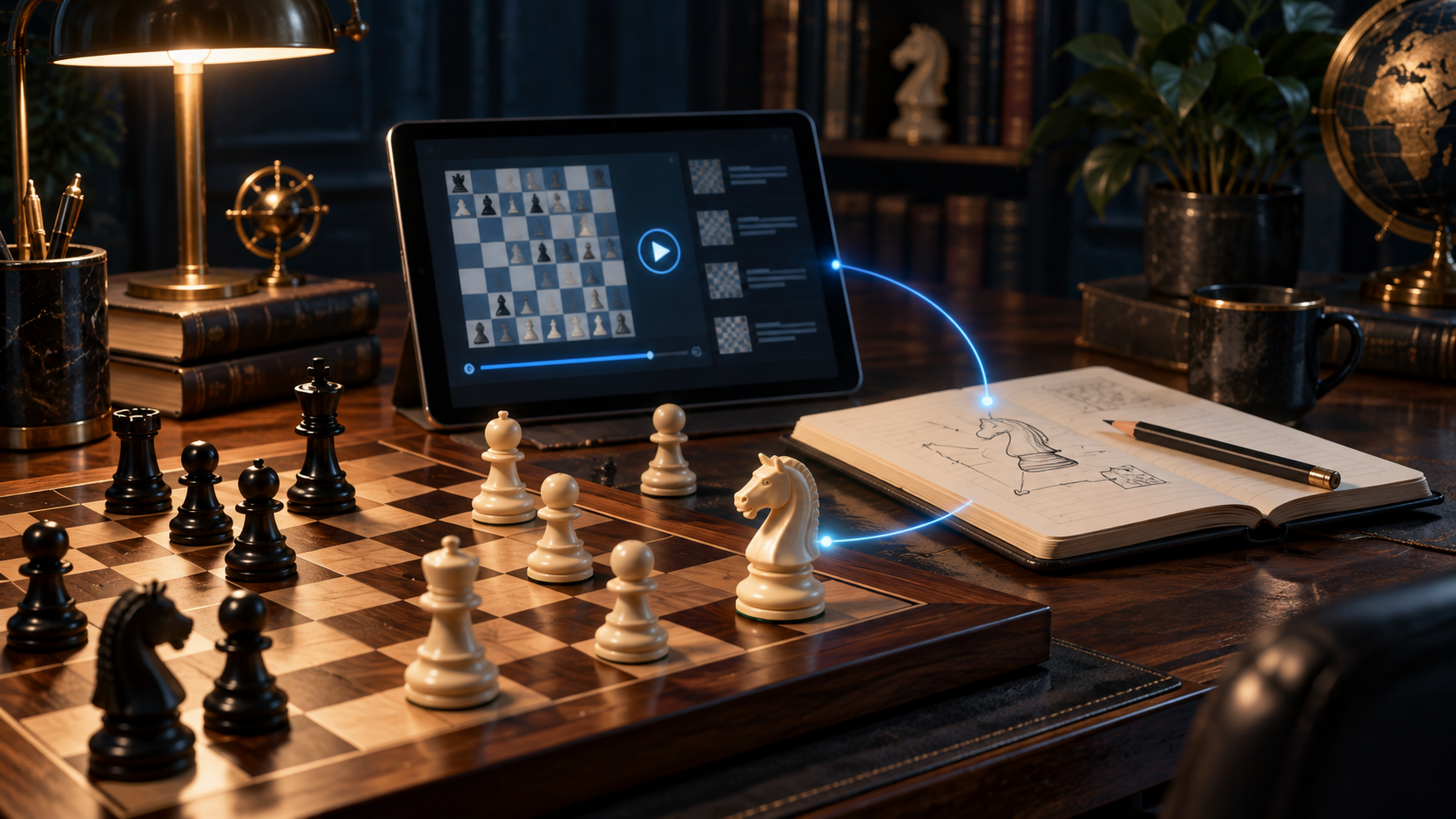

Turn video lessons, PDFs and PGNs into practical chess training with five easy steps and a focused 25-minute study routine.
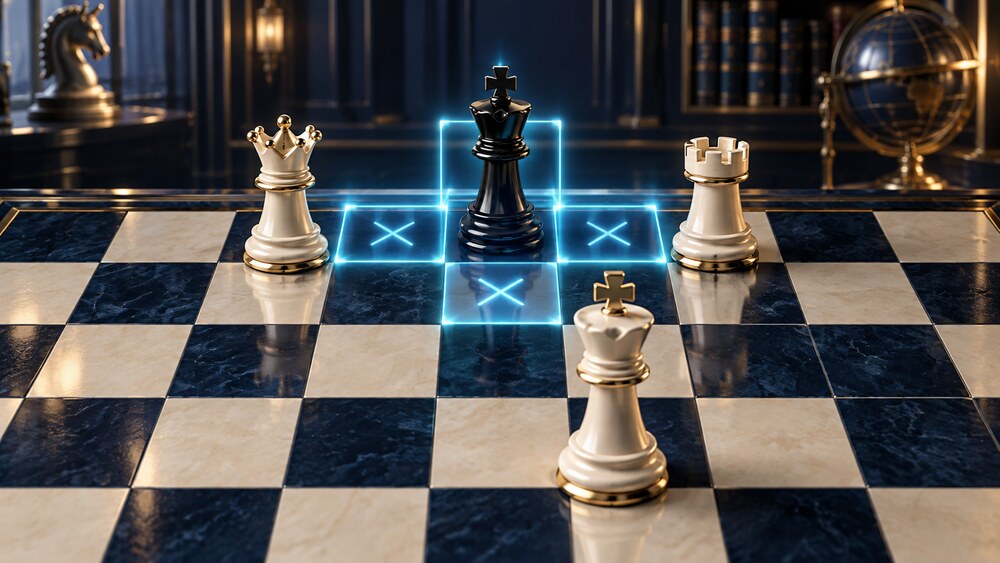
Learn queen, rook and two-rook checkmates with a five-step method, three board exercises and a practical routine for avoiding stalemate.
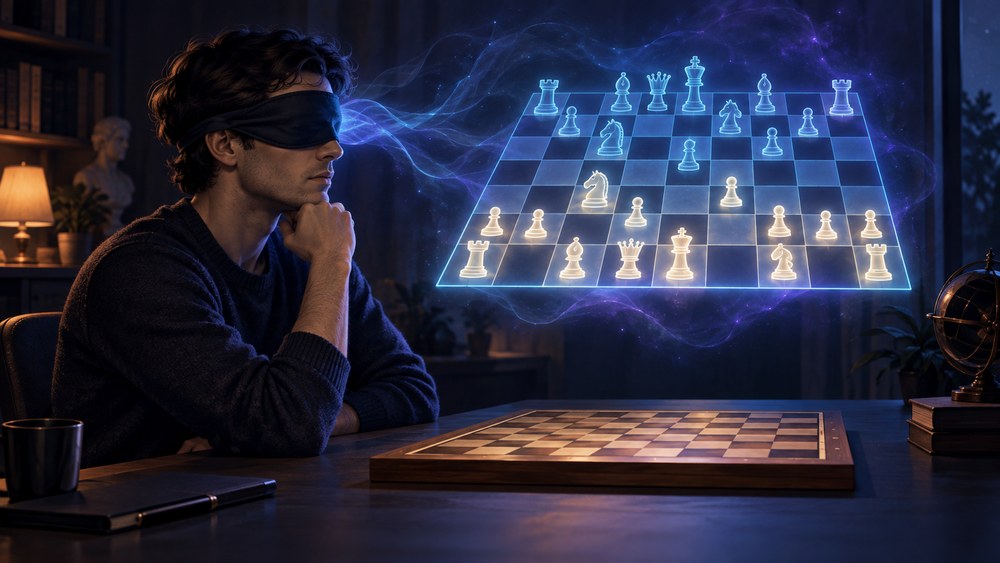
🧠 How To Practice Blindfold Chess should begin with small visualization tasks rather than a full game. Blindfold skill is the ability to maintain an accurate internal board while pieces move and relationships change. Begin with accuracy, not a full …

📈 How To Break Through A Chess Plateau requires changing the quality of training, not simply adding more games. A plateau usually means that familiar practice no longer targets the mistakes limiting your results. Diagnose before changing your training. A …
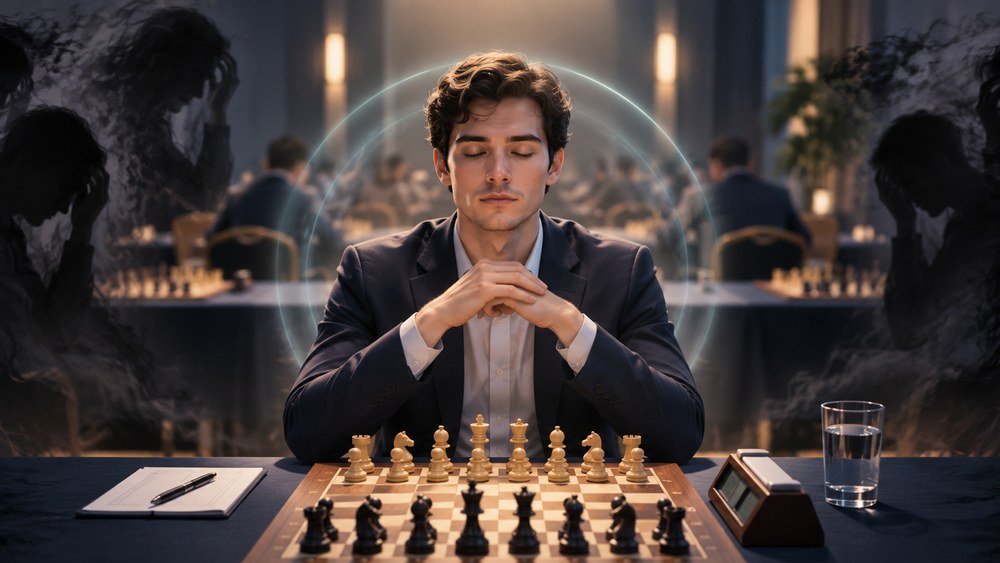
🧘 How To Handle Chess Tournament Nerves starts with accepting that nervous energy is normal. The goal is not to feel nothing; it is to keep a stable routine so emotion does not control your moves or your clock. Give …
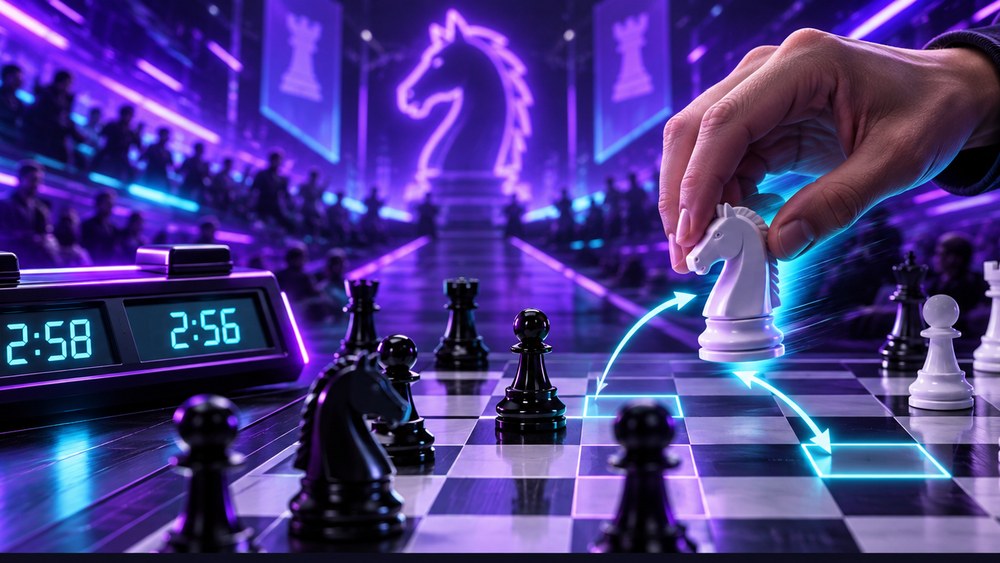
⚡ How To Improve At Blitz Chess is about making reliable decisions quickly, not moving instantly. Pattern recognition, opening familiarity, and simple tactical discipline matter more than calculating long variations on every move. Play quickly where you understand the position, …
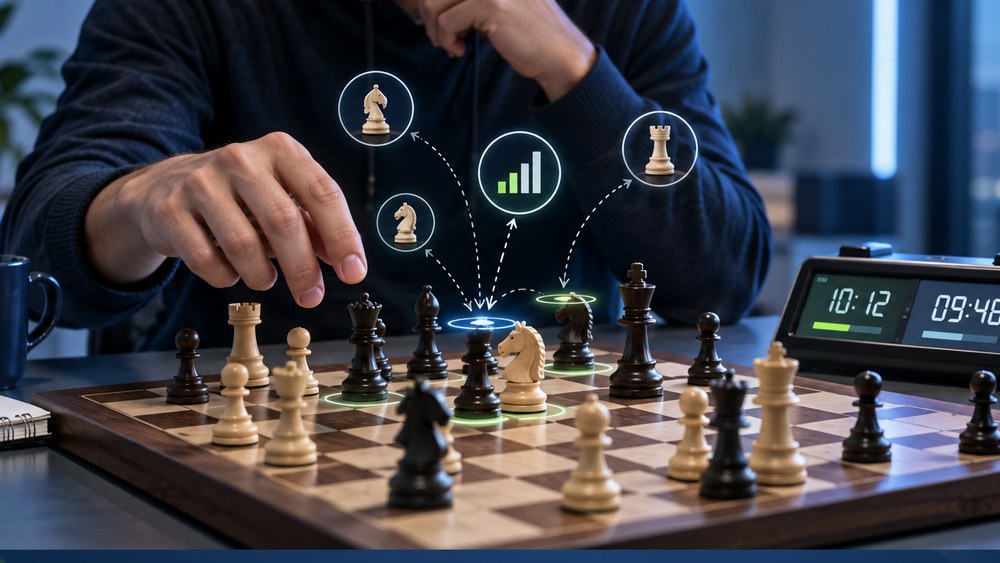
⏱️ How To Improve At Rapid Chess requires balancing calculation with practical decision-making. Rapid gives enough time to think deeply at critical moments, but not enough to solve every position from the beginning. Use your thinking time where it can …
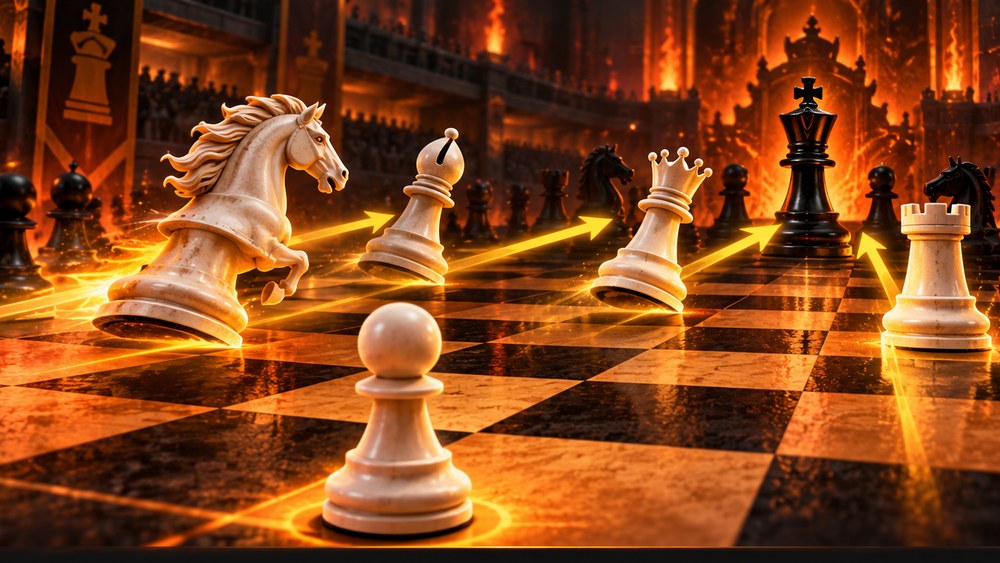
🎲 How To Play Gambit Positions In Chess means valuing time, activity, and king safety alongside material. A gambit gives up a pawn or more to gain development, open lines, or a dangerous initiative. Ask what the sacrificed material has …
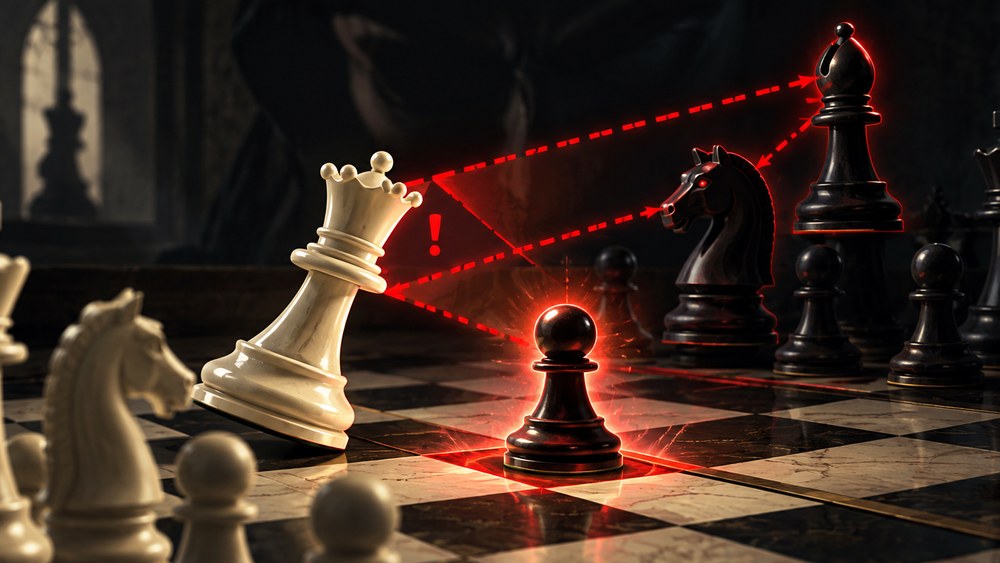
⚠️ How To Avoid Chess Opening Traps does not require memorizing thousands of tricks. Most traps work because a player grabs material, neglects development, or overlooks a forcing reply. Before accepting a gift, calculate the reply. Chess opening traps often …
Not a member yet? Register now
Are you a member? Login now