Turn video lessons, PDFs and PGNs into practical chess training with five easy steps and a focused 25-minute study routine.


Turn video lessons, PDFs and PGNs into practical chess training with five easy steps and a focused 25-minute study routine.

🎲 How To Play Gambit Positions In Chess means valuing time, activity, and king safety alongside material. A gambit gives up a pawn or more to gain development, open lines, or a dangerous initiative. Ask what the sacrificed material has …

⚠️ How To Avoid Chess Opening Traps does not require memorizing thousands of tricks. Most traps work because a player grabs material, neglects development, or overlooks a forcing reply. Before accepting a gift, calculate the reply. Chess opening traps often …

♝ How To Play Against A Fianchetto Setup begins with respecting the long diagonal while challenging the pawn structure around it. A fianchettoed bishop can be powerful, but the setup may become vulnerable if the bishop is exchanged or the …

🏁 How To Calculate Pawn Races In Chess requires exact counting, correct move order, and awareness of promotion checks. One tempo can decide whether a pawn queens, gets captured, or promotes with check. Count the moves, then calculate the finish. …

🏰 How To Use Rooks On The Seventh Rank is about combining pawn attacks, king restriction, and lateral movement. A rook on the seventh rank often attacks several pawns at once while trapping the enemy king on the back rank. …
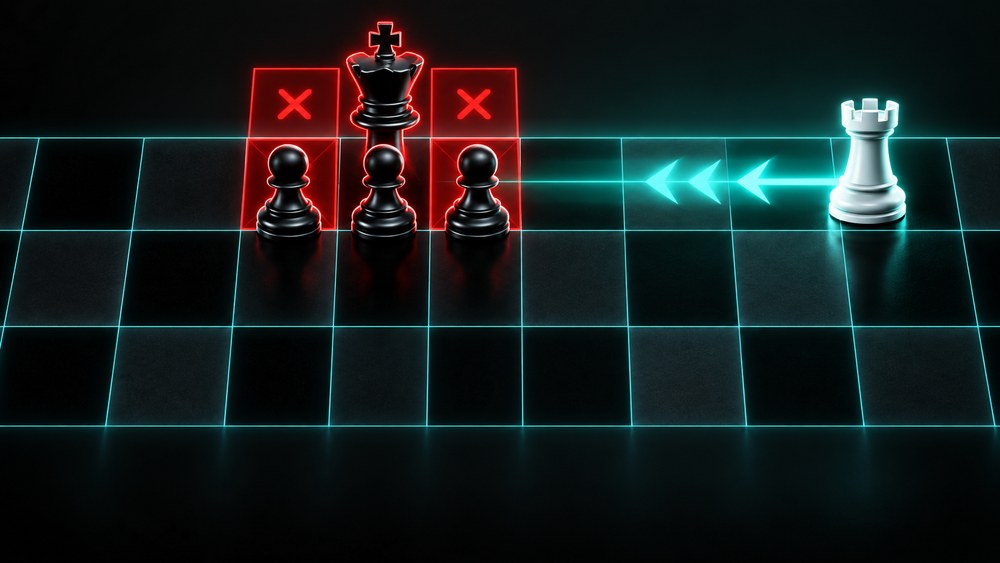
🚪 How To Exploit A Weak Back Rank In Chess starts by noticing a king trapped behind its own pawns. Even when immediate mate is impossible, back-rank pressure can overload defenders and create tactical wins elsewhere. A trapped king is …

Learn when Bxh7+ works, how to calculate the king retreats, and when to reject the Greek Gift sacrifice. Includes a five-test checklist and a practice routine.

Find the move before the expected recapture. Learn four types of zwischenzug, how to check the opponent’s reply, and a practical routine for spotting intermediate moves.
Not a member yet? Register now
Are you a member? Login now