Choose between a knight’s occupied blockade square and a bishop’s interception diagonal by checking protection, pawn captures and the cost of staying.
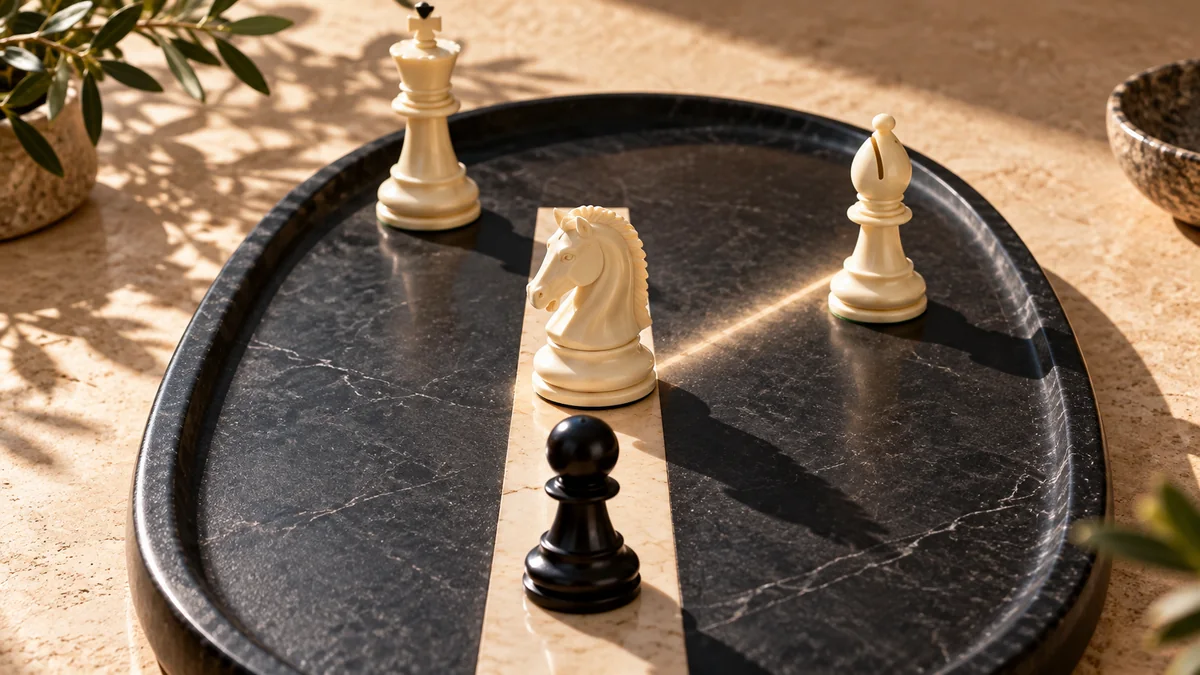

Choose between a knight’s occupied blockade square and a bishop’s interception diagonal by checking protection, pawn captures and the cost of staying.

Your well-posted knight may be worth keeping or trading. Compare its remaining influence with the concrete return and the work your surviving pieces must do.
Make knight rerouting in closed positions safer by testing the journey, not just its destination. Check lost duties, pawn breaks and useful stopping squares.

Learn how to clear a square or line without creating a new problem. Assign both pieces useful jobs and test what happens during the handover.

A restricted rook needs a useful release, not another shuffle. Identify the blocked route, unsafe destination or defensive duty before choosing a repair.

Check whether a trained chess skill is appearing beyond familiar exercises. This three-stage test separates understanding, independent recognition and execution, then uses later games to guide the next training task.

Check opening recall before a tournament with seven practical steps: hide answers, record confidence, separate confused branches and repair missing explanations.
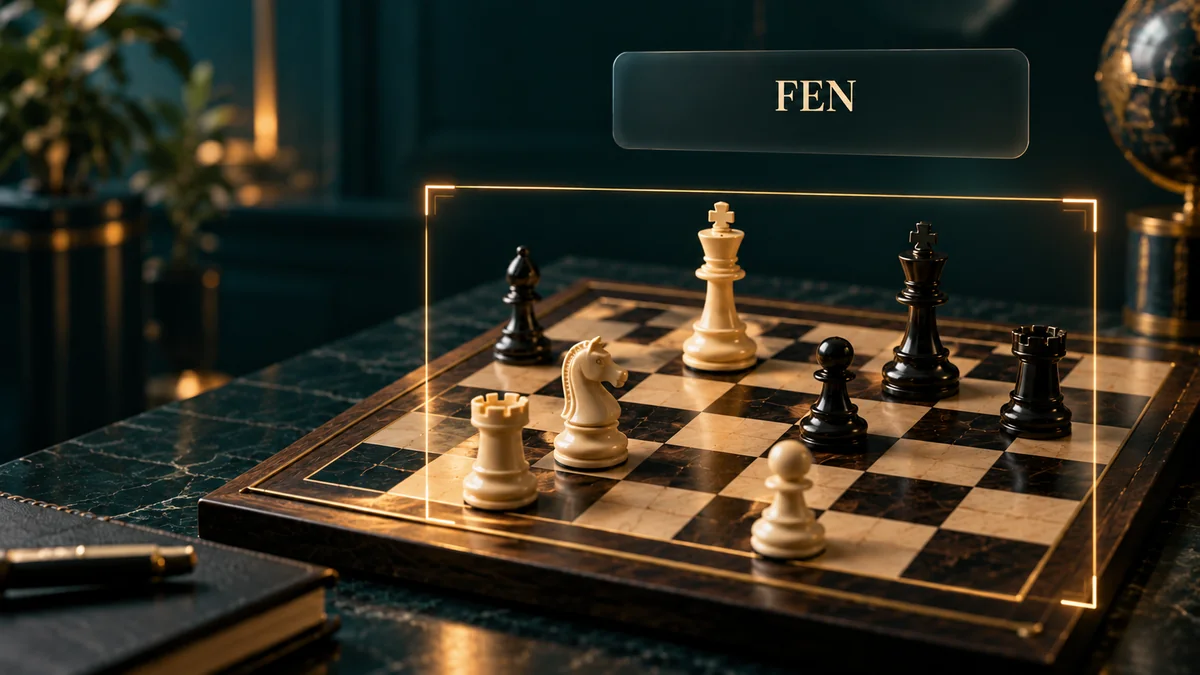
Learn what the six FEN fields preserve, check a position before sharing it, and know when your coach needs the full PGN game instead.

Read the move labels in your chess lessons with confidence. Learn piece letters, captures, special moves, move numbers and how to return from a sideline.
Not a member yet? Register now
Are you a member? Login now