📈 How To Break Through A Chess Plateau requires changing the quality of training, not simply adding more games. A plateau usually means that familiar practice no longer targets the mistakes limiting your results. Diagnose before changing your training. A …

Strong chess decision-making is not the ability to calculate everything. It is the ability to spend attention on the right features, compare realistic choices, and commit without guessing. 🧠 A reliable process protects you when the position is unfamiliar or …
Rook endgames appear constantly in practical chess, and tiny inaccuracies can change a win into a draw—or a draw into a loss. 🏰 Their apparent simplicity is deceptive because rook activity, king placement, and checking distance matter on every move. …
Queenless middlegames are often misunderstood. The queens are gone, but enough pieces remain for tactics, attacks, and complex plans. ♛ Removing the queens changes the priorities—it does not automatically create an endgame. King activity becomes safer, piece coordination grows more …
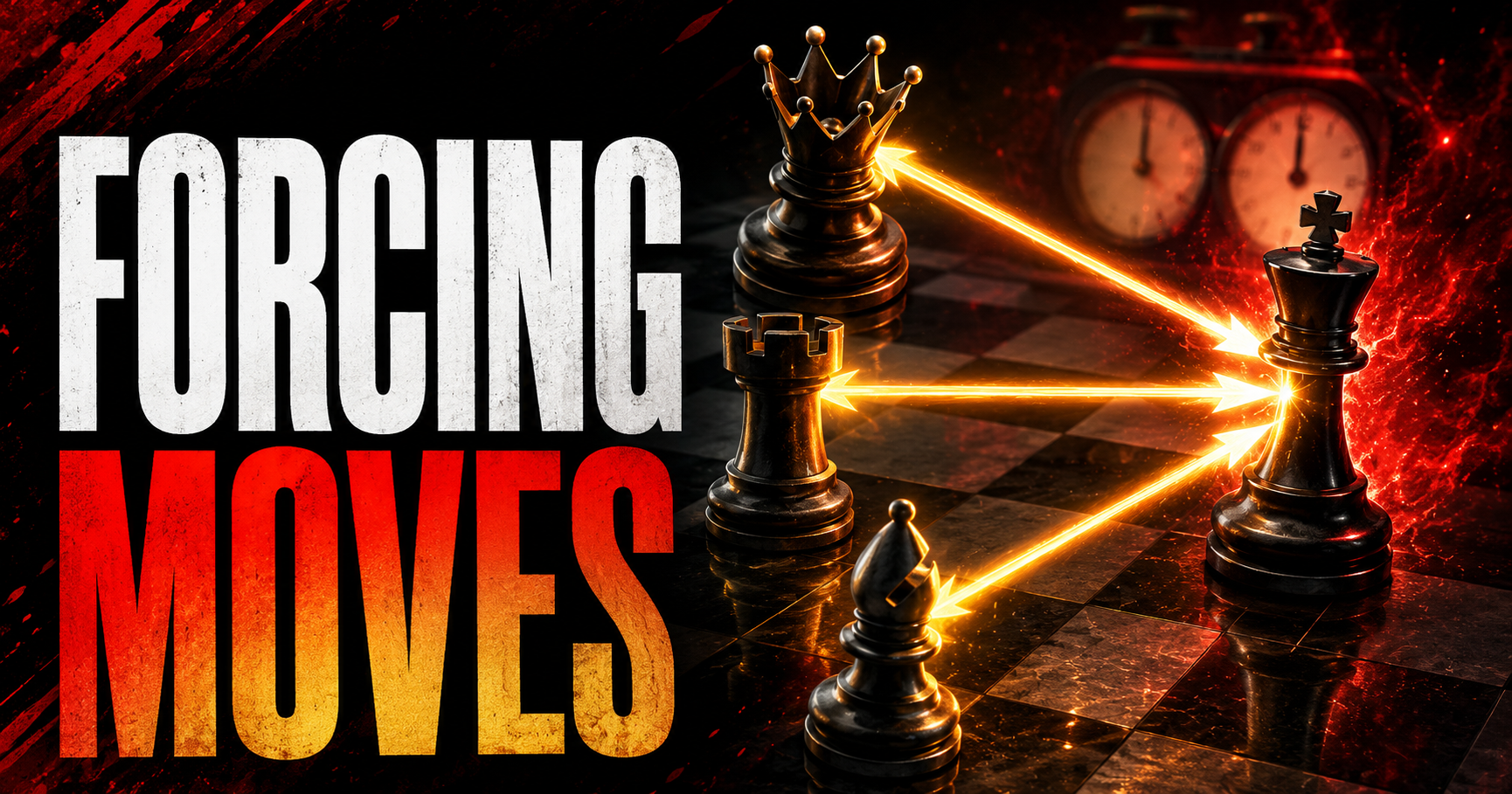
Forcing moves in chess narrow the opponent’s choices. Checks, captures, and direct threats create a corridor in which only a few replies are possible. ⚔️ That makes them the backbone of tactical calculation. Yet “forcing” does not mean “good.” A …
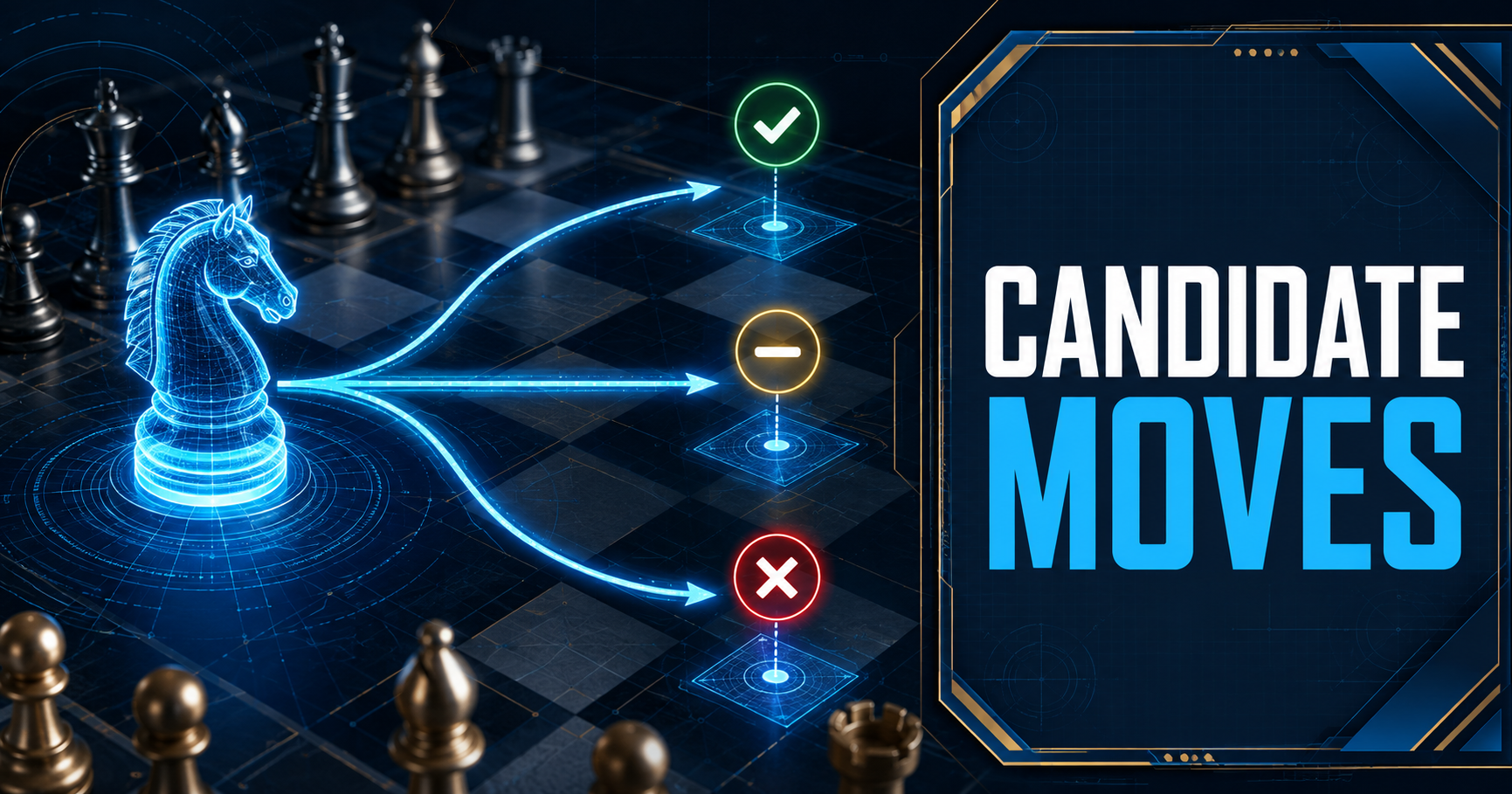
Candidate moves in chess are the small group of options you choose to investigate seriously. 🔍 If the right move never enters your shortlist, even perfect calculation cannot save the decision. Strong move selection is a filtering skill. You want …
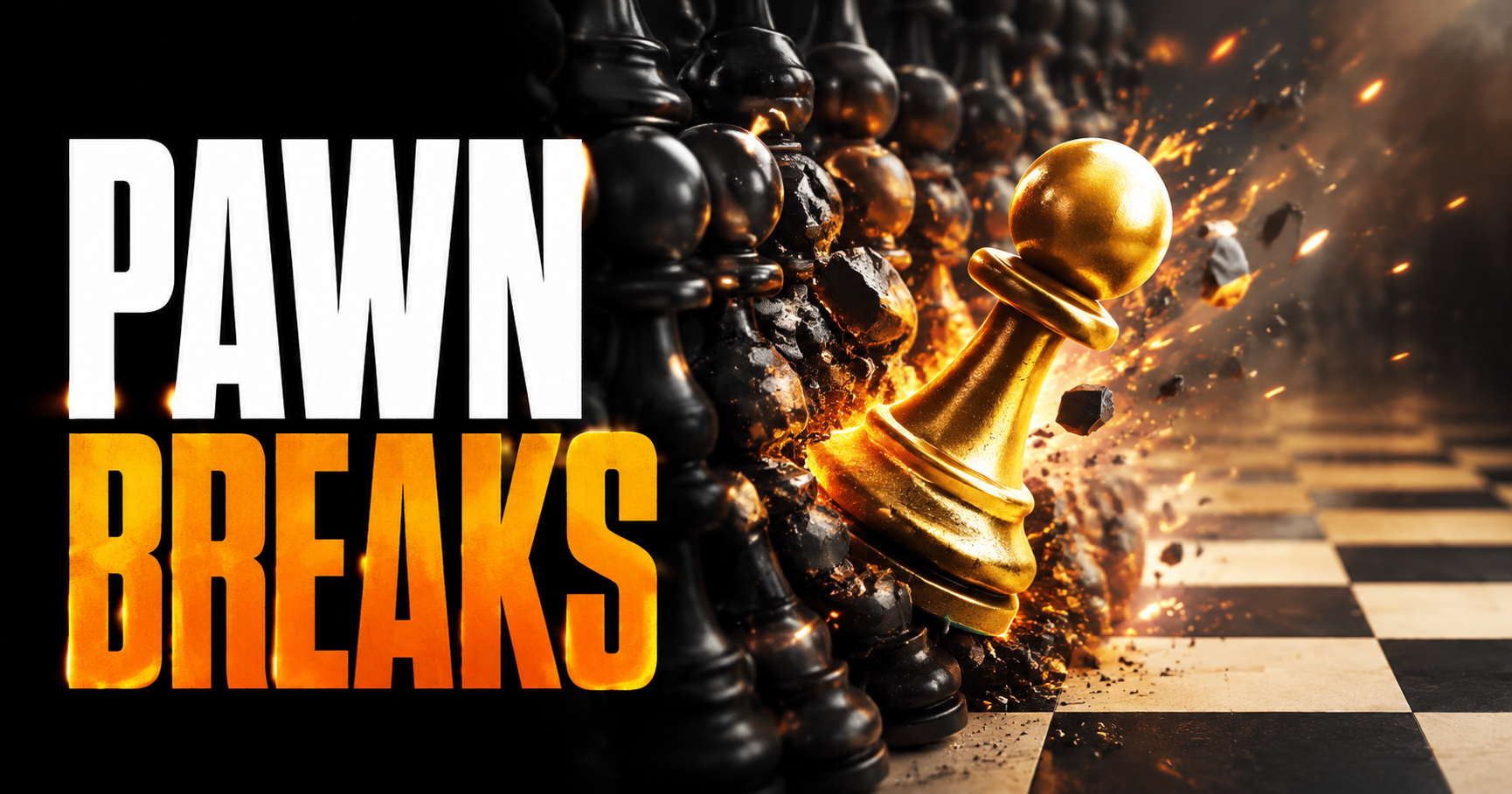
A pawn break in chess is the moment a quiet structure changes its character. 🔨 One pawn move can open a file, activate a bishop, create a passed pawn, or expose a king. Because pawns cannot move backward, the timing …
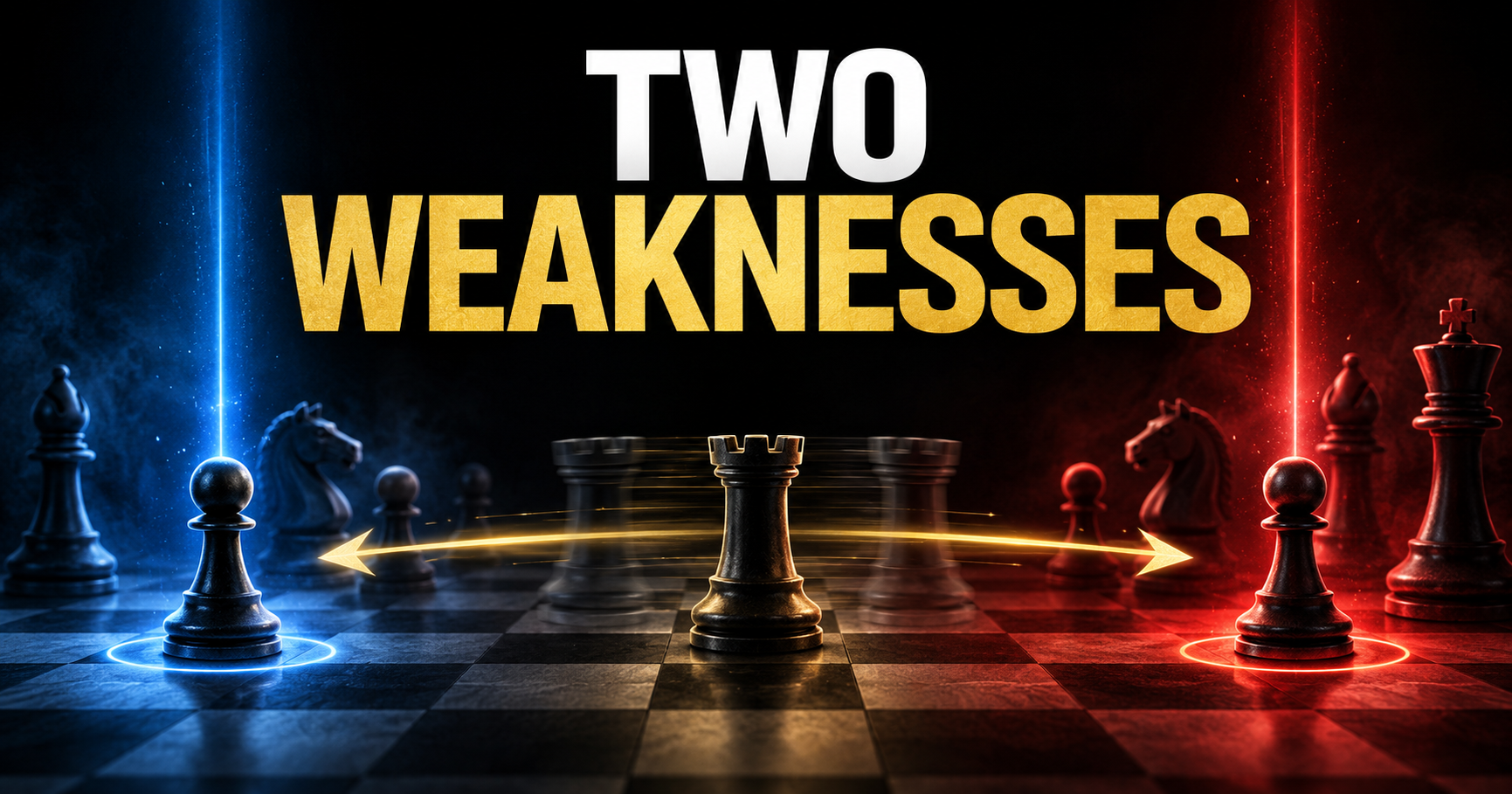
The principle of two weaknesses explains why one target is often not enough to win. A defender can organize every piece around a single weakness; a second target forces that structure to stretch. 🎯 The idea sounds simple, but the …
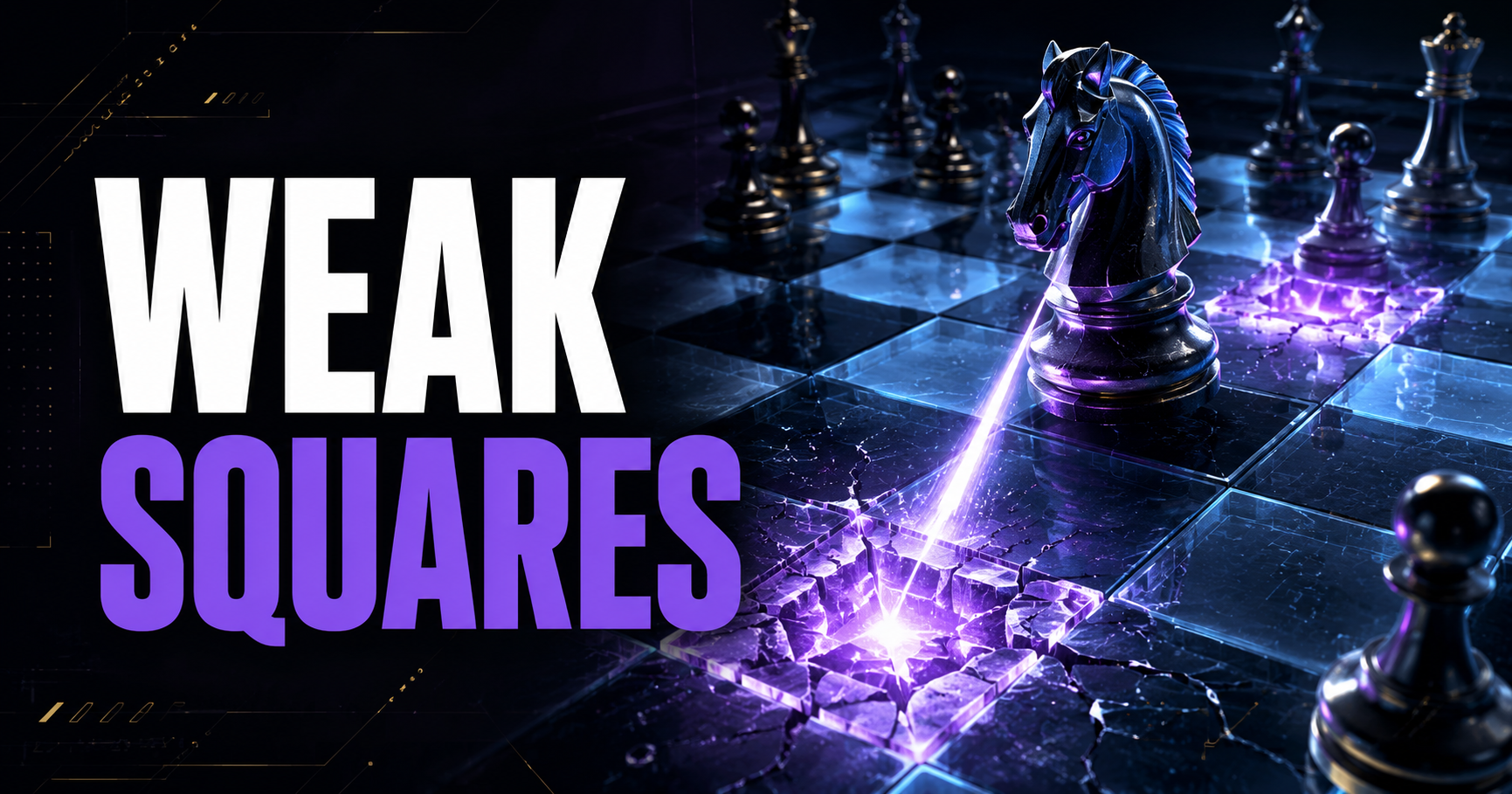
Weak squares in chess are not simply empty squares. They are squares that cannot be defended easily—especially by pawns—and can become permanent homes, entry points, or anchors for an attack. 🎯 A weak square matters only when a piece can …