⚡ The initiative in chess means creating useful threats that force your opponent to react. The initiative is not the same as a material advantage: it is a temporary lead in useful action, and it must be converted before the …


⚡ The initiative in chess means creating useful threats that force your opponent to react. The initiative is not the same as a material advantage: it is a temporary lead in useful action, and it must be converted before the …

Opposite-colored bishops create two very different kinds of chess. In a pure endgame they often improve the defender’s drawing chances, while with queens or rooks on the board they can make an attack much harder to stop. ♗ The key …
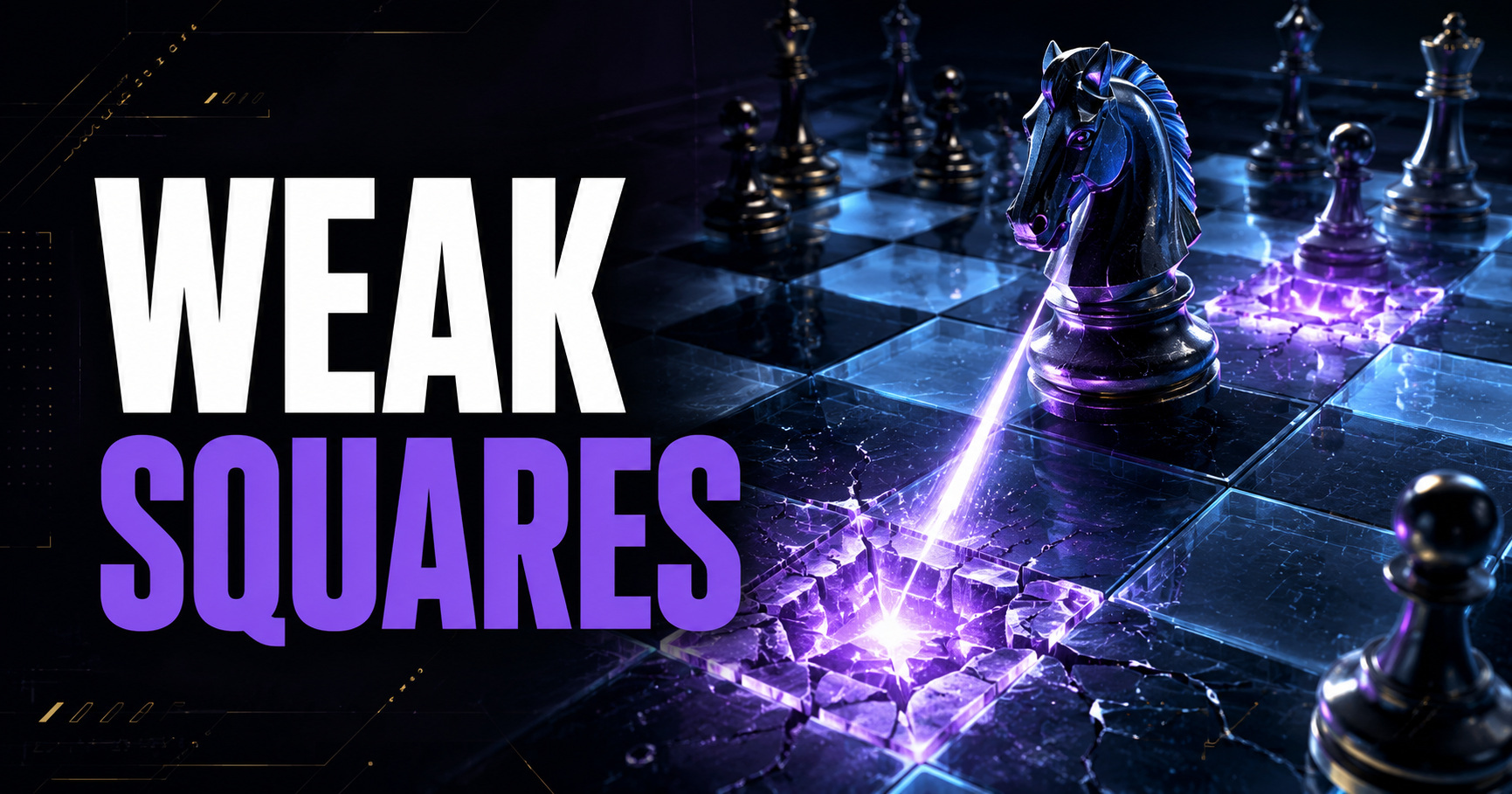
Weak squares in chess are not merely empty squares. They are squares that cannot be challenged easily—especially by pawns—and can become lasting outposts, entry points, or anchors for an attack. A weak square matters only when you can use it. …
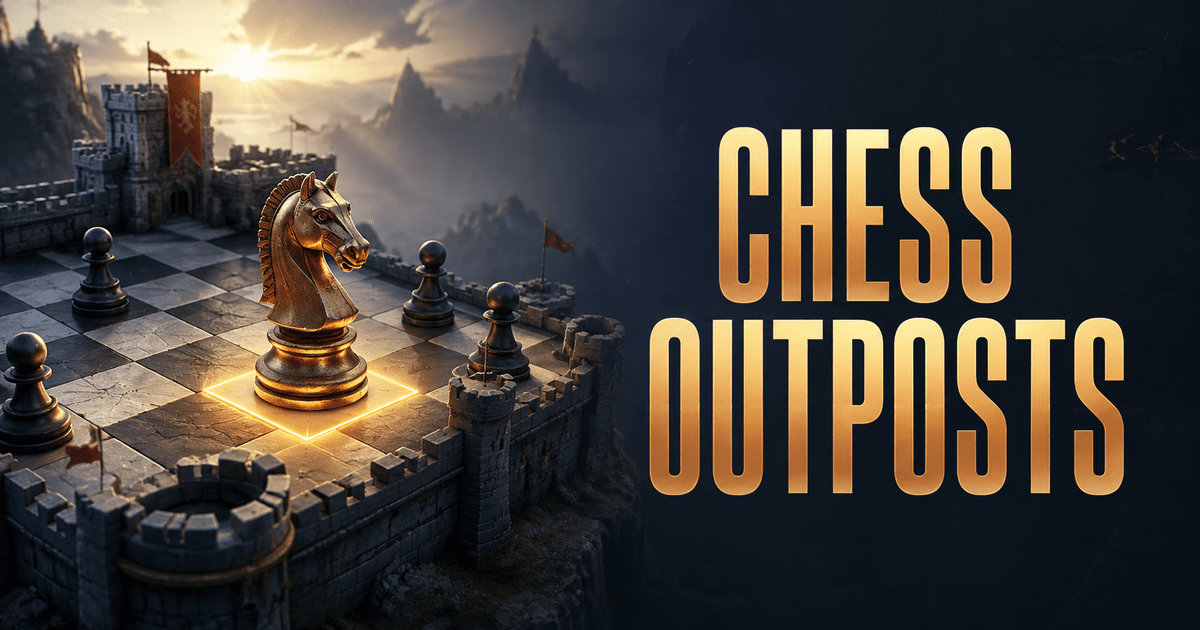
To use outposts in chess effectively, begin with the idea that an outpost is a protected square in enemy territory that cannot easily be challenged by a pawn. When the right piece occupies it, the entire position can change. ♞ …

Judge a wide-board minor-piece ending by who must travel, which duties can be combined and what happens to the unattended pawns during a transfer.
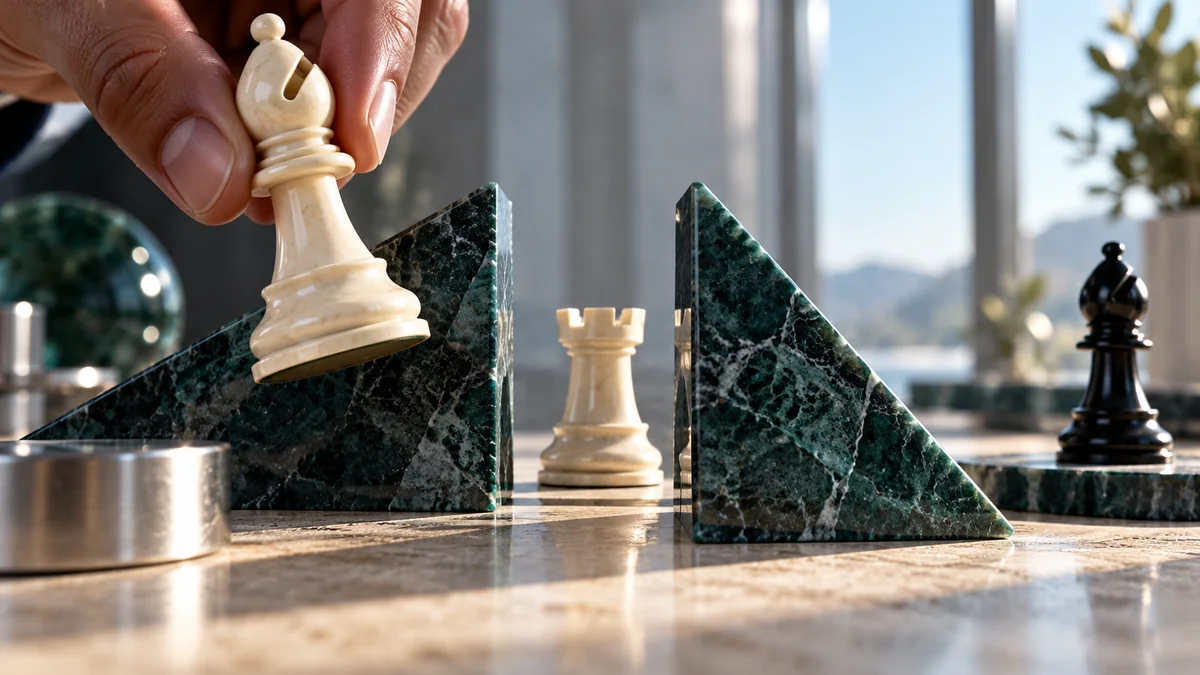
Before trading your good bishop, identify which surviving piece benefits and which duty becomes harder. Compare usable gains with the coverage you surrender.
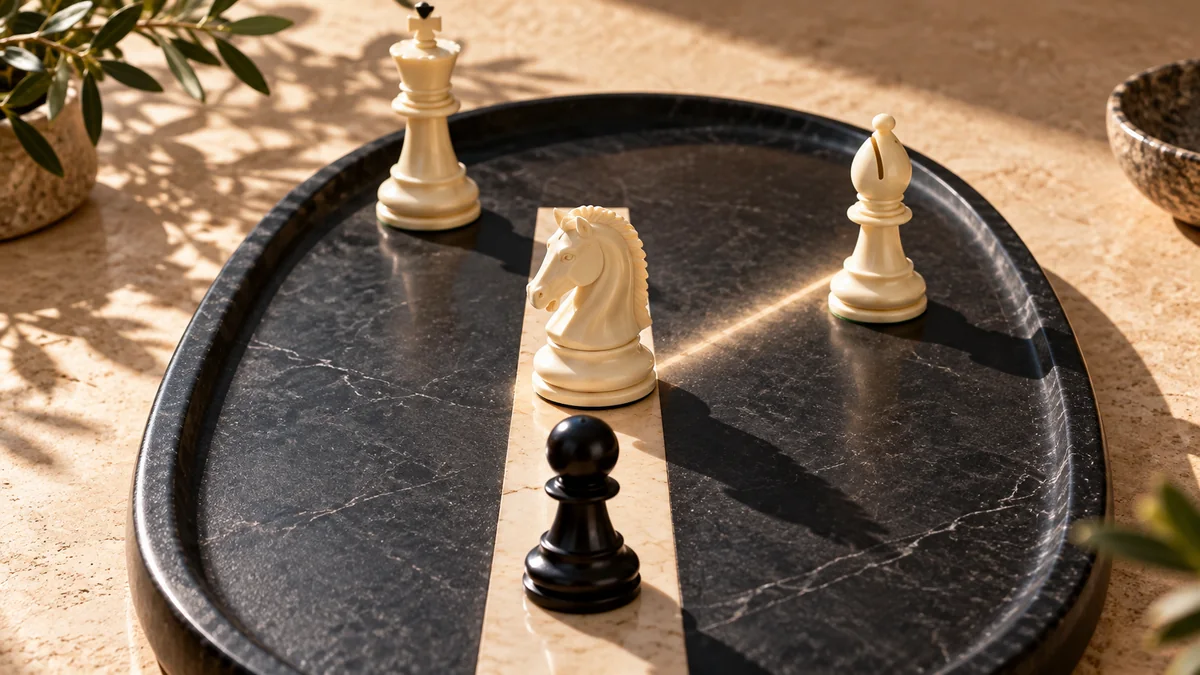
Choose between a knight’s occupied blockade square and a bishop’s interception diagonal by checking protection, pawn captures and the cost of staying.

Your well-posted knight may be worth keeping or trading. Compare its remaining influence with the concrete return and the work your surviving pieces must do.

Make knight rerouting in closed positions safer by testing the journey, not just its destination. Check lost duties, pawn breaks and useful stopping squares.
Not a member yet? Register now
Are you a member? Login now