How To Understand Chess Opening Move Orders?
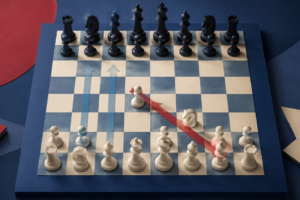
Chess opening move orders can look like harmless details, but one early choice may avoid a sideline, invite a transposition, or reveal your plan too soon. 🔀 Learning why the order matters makes your repertoire far more reliable.
🧭 You do not need to memorize every route to the same position. The goal is to recognize which options each move allows, which it prevents, and whether the resulting structure still fits your style.
What Is A Move Order?
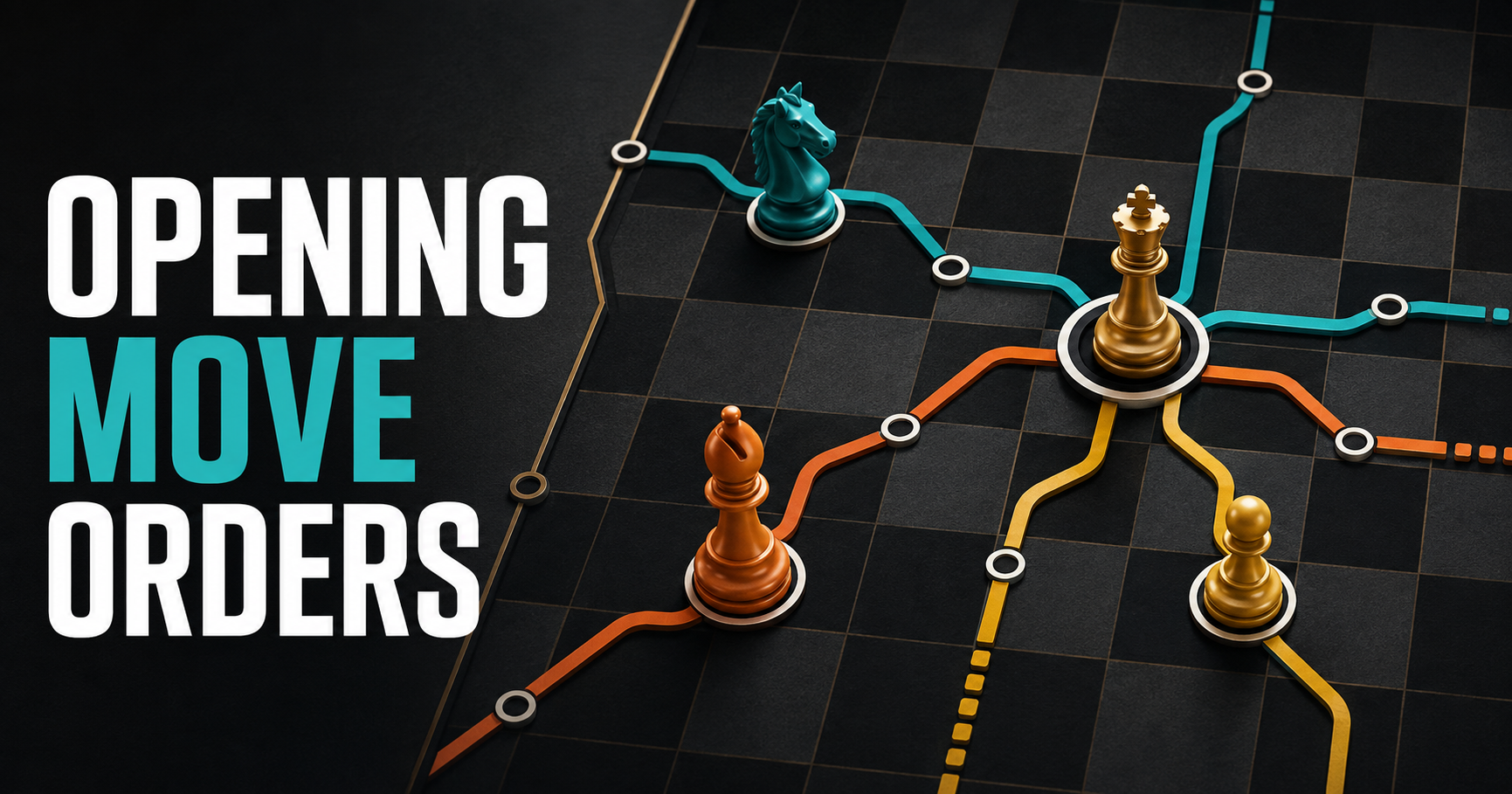
A move order is the exact sequence used to reach an opening position. Two games may arrive at the same pawn structure through completely different paths.
♟️ The path matters because every intermediate position gives both players extra choices. A flexible sequence can reduce those choices; a careless one can permit an annoying system.
Learn To Recognize Transpositions
A transposition occurs when different sequences reach the same position. Instead of treating each sequence as a new opening, compare the final pawn structure, piece placement, and side to move.
🔍 The Master Chess Strategy course helps you identify familiar strategic patterns even when the opening label changes.
Start With The Pawn Structure
Move-order knowledge becomes easier when you know the structures you want. Ask which central exchanges and pawn breaks are available after each sequence.
🧱 If two routes produce the same structure, the main question is often whether one route allowed an opponent’s extra setup. Structure gives all those branching moves a clear strategic meaning.
Map The Opponent’s Important Alternatives
Do not build a repertoire as a one-sided script. After every early move, list the opponent’s serious captures, checks, central breaks, and setup changes.
📚 A course such as 1.e4 For White is most useful when you study both the recommended line and the choices it deliberately avoids.
Preserve Flexibility When It Has Value
A flexible developing move may postpone a commitment and keep several structures available. This can make it harder for the opponent to choose the ideal setup.
🌿 Flexibility is not automatically best, however. If delaying a central action lets the opponent seize space or create a concrete threat, a direct move is more important than keeping options open.
Separate Cosmetic Differences From Real Ones
Some move-order differences only change the opening name. Others affect castling rights, development tempi, tactical possibilities, or whether a pawn can still advance in one move.
⚖️ Compare positions precisely: whose turn is it, which pieces have moved, and which pawn breaks remain legal? One tempo can transform an equivalent-looking position.
Connect Related Repertoires
Flank openings frequently transpose into one another, so studying connected systems multiplies your understanding. The English Opening For White and Reti Opening For White courses are natural examples.
🔗 When you understand the shared structures, a surprise move no longer feels like leaving your repertoire—it simply becomes another road to familiar territory.
Build A Practical Move-Order File
For every main position, record your preferred route, the opponent’s independent alternatives, and the reason you chose that sequence. Keep explanations short enough to review before a tournament.
🗂️ Use arrows or a small tree rather than pages of raw notation. Your file should answer practical questions quickly: what am I avoiding, what can this transpose into, and where must I be exact?
A Move-Order Checklist
- What position am I trying to reach?
- Which opponent options does my move allow?
- Does another sequence remove a troublesome sideline?
- Can the position transpose into a system I already know?
- Has either side gained or lost a useful tempo?
- Which pawn structure is likely to appear?
- Where is exact calculation more important than flexibility?
✅ Run this checklist while preparing, not only during a game. Clear answers turn a confusing web of variations into a manageable repertoire.
How To Practice Opening Move Orders
Choose one opening position and work backward. Find two or three legal routes to it, then note the extra options available along each route. This reverse exercise makes transpositions memorable.
🎯 Next, use flashcards with an early position on the front and three prompts on the back: likely transpositions, dangerous deviations, and your preferred response. Review ideas before exact variations.
Final Thoughts
Understanding chess opening move orders means seeing openings as a network rather than a single line. Track structures, choices, tempi, and transpositions so every move has a reason.
✨ Once you understand the map, small opening surprises become far less intimidating—and your preparation becomes much harder to sidestep.

You may also like

How To Choose Which Side To Castle In Chess?
How To Learn A Chess Opening Through Model Games?