Opposite-colored bishops create two very different kinds of chess. In a pure endgame they often improve the defender’s drawing chances, while with queens or rooks on the board they can make an attack much harder to stop. ♗ The key …


Opposite-colored bishops create two very different kinds of chess. In a pure endgame they often improve the defender’s drawing chances, while with queens or rooks on the board they can make an attack much harder to stop. ♗ The key …
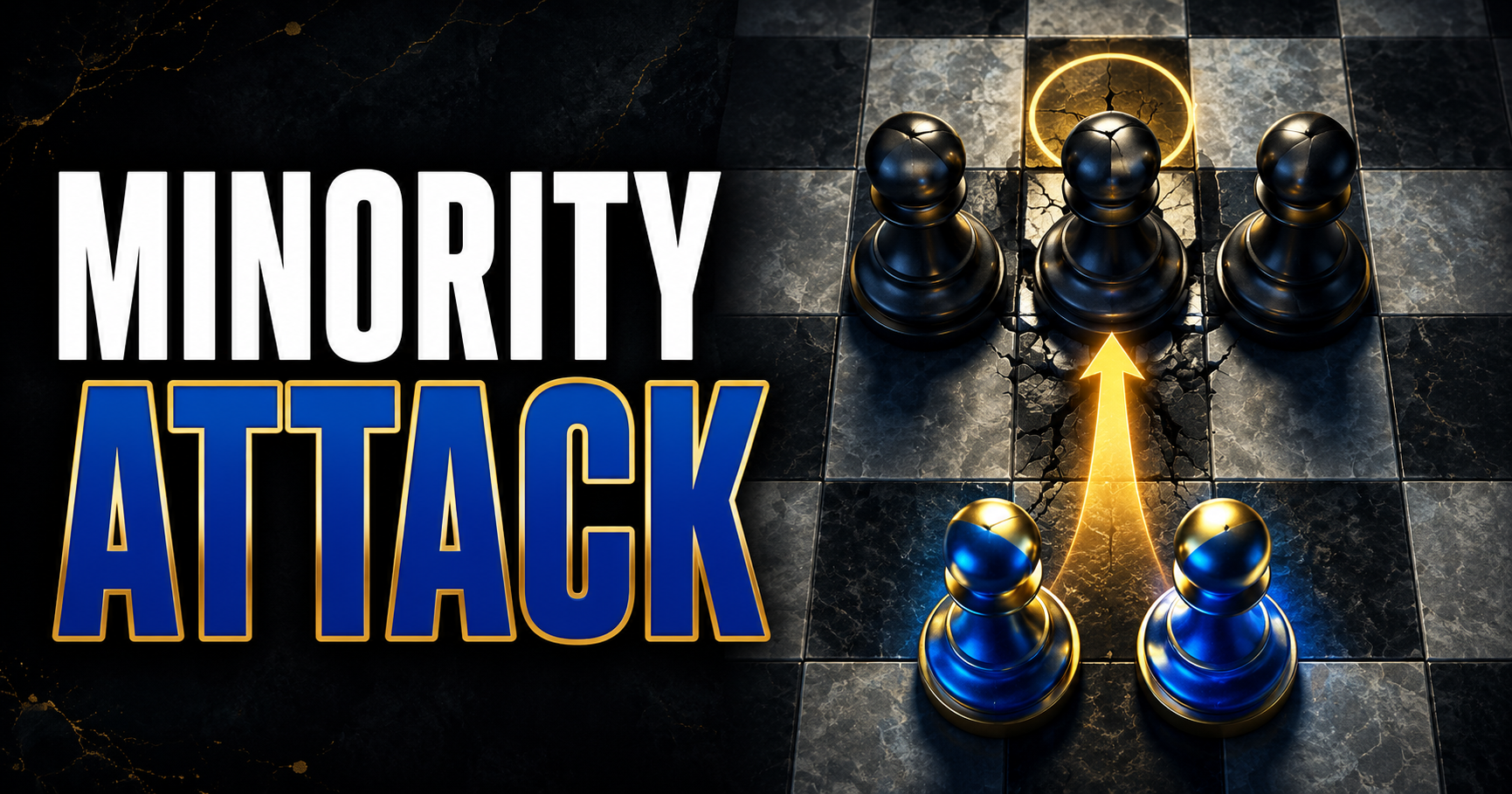
A minority attack in chess uses fewer pawns to challenge a larger pawn group, usually with the goal of creating a fixed weakness rather than winning material immediately. ♟️ It is one of the clearest examples of a long-term plan …
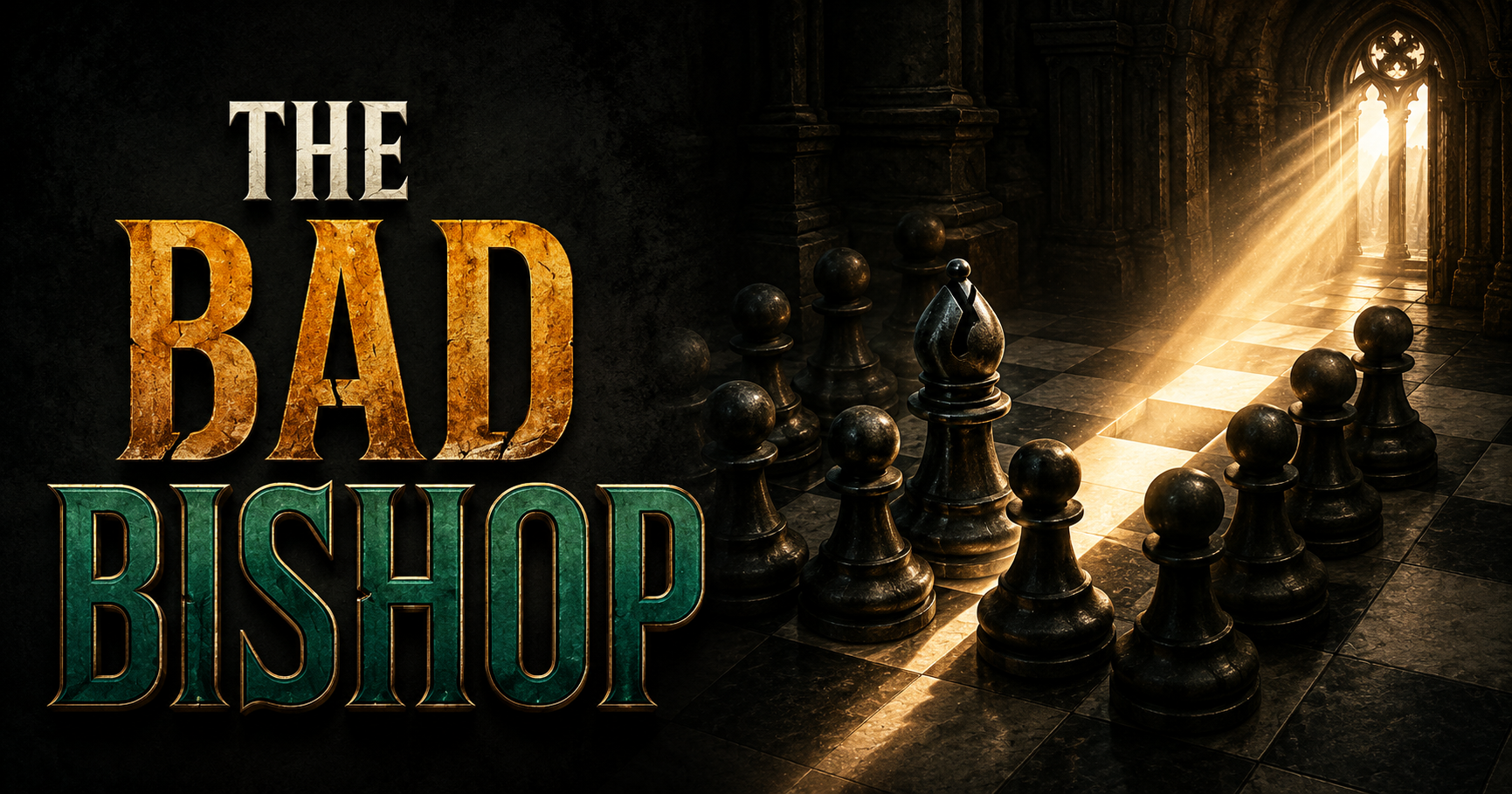
A bad bishop in chess is usually restricted by its own pawns, especially when those pawns sit on the same color as the bishop. 🐘 The label sounds final, but the piece may still defend key squares, support a pawn …
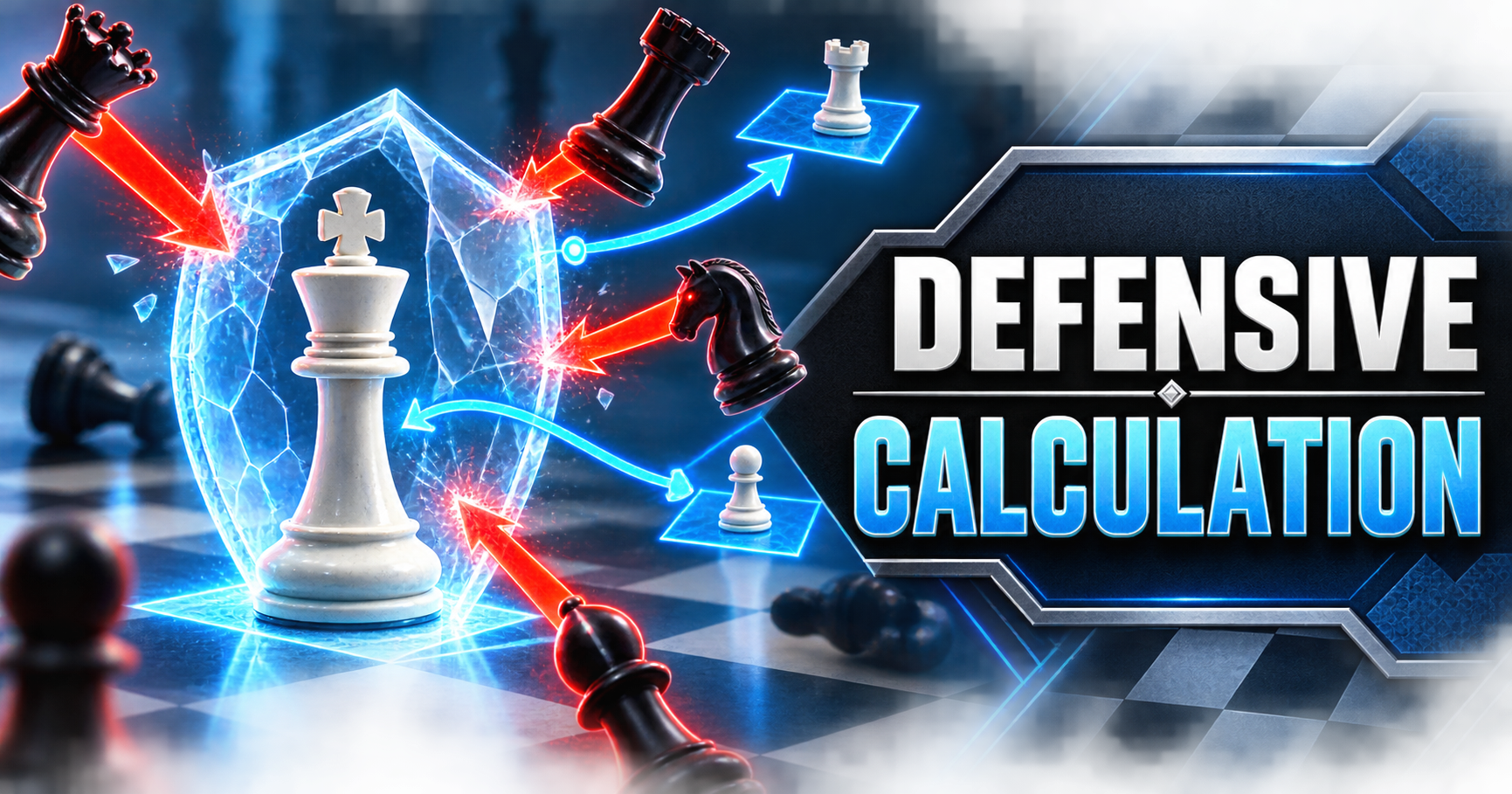
Defensive calculation in chess is not passive survival—it is the skill of finding the opponent’s real threat and choosing the reply that makes their task hardest. 🛡️ Strong defense often begins with one calm, accurate move. ⚡ Reliable defensive calculation …
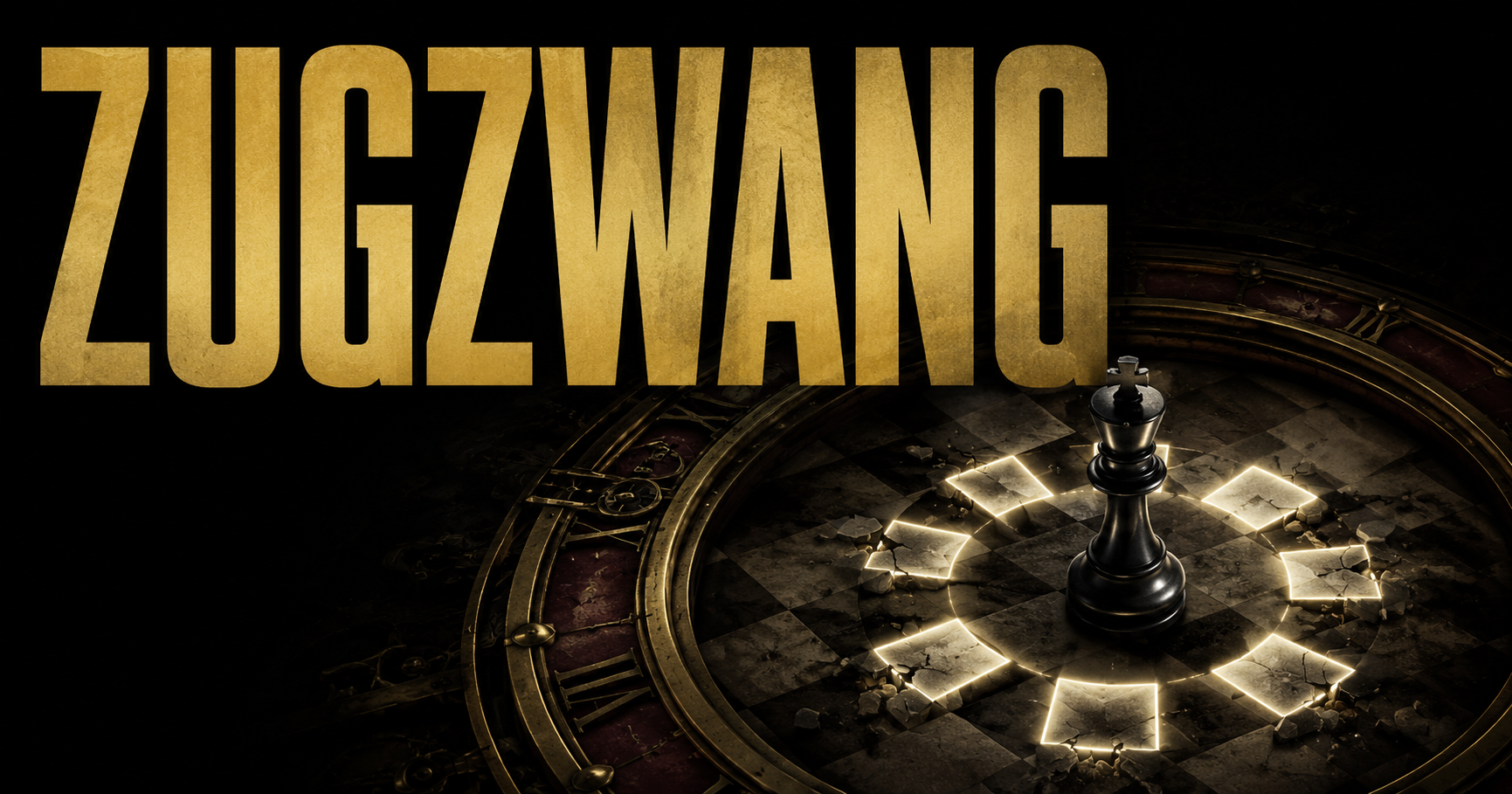
Zugzwang in chess is the remarkable situation in which having to move becomes a disadvantage. ⏳ The position may appear balanced, yet every legal move gives something away. 🧩 Using zugzwang in chess is most common in endgames, but its …
Queenless middlegames are positions in which the queens have been exchanged while enough pieces remain for tactical threats and complex strategic play. Removing the queens changes the priorities, but it does not automatically create an endgame. King activity becomes safer, …
A pawn break in chess is a pawn move that challenges the existing structure and changes the position’s character. A well-timed break can open a file, activate a bishop, create a passed pawn, remove a defender, or expose a king. …
The principle of two weaknesses explains why one target is often not enough to win. A defender can organize every piece around a single weakness; a second, distant target forces that defensive setup to stretch. The technique requires patience and …
Weak squares in chess are not merely empty squares. They are squares that cannot be challenged easily—especially by pawns—and can become lasting outposts, entry points, or anchors for an attack. A weak square matters only when you can use it. …
Not a member yet? Register now
Are you a member? Login now