♝ How To Play Against A Fianchetto Setup begins with respecting the long diagonal while challenging the pawn structure around it. A fianchettoed bishop can be powerful, but the setup may become vulnerable if the bishop is exchanged or the …


♝ How To Play Against A Fianchetto Setup begins with respecting the long diagonal while challenging the pawn structure around it. A fianchettoed bishop can be powerful, but the setup may become vulnerable if the bishop is exchanged or the …

🏰 How To Use Rooks On The Seventh Rank is about combining pawn attacks, king restriction, and lateral movement. A rook on the seventh rank often attacks several pawns at once while trapping the enemy king on the back rank. …
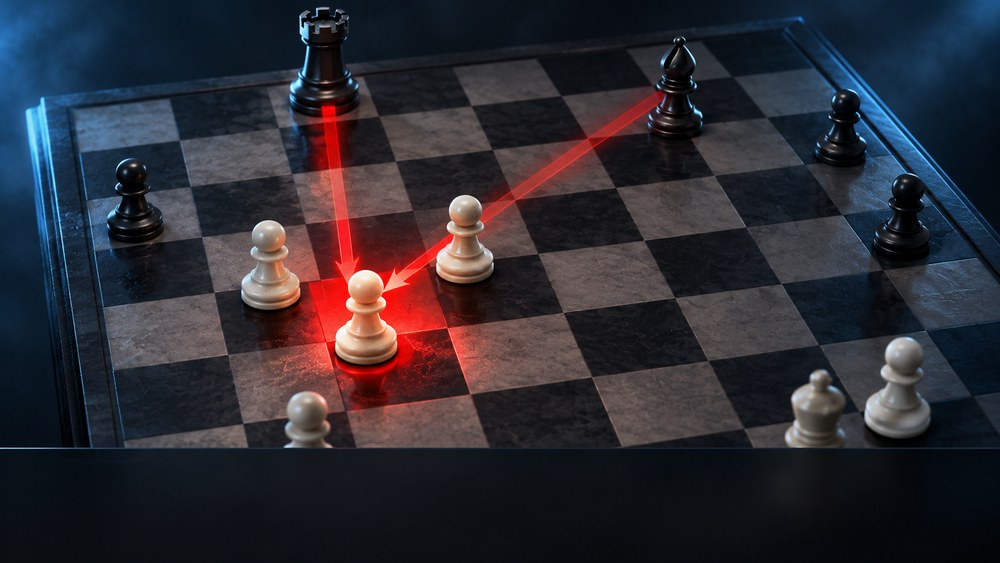
♟️ How To Play Positions With A Backward Pawn requires separating a static weakness from a dynamic opportunity. A backward pawn can be difficult to advance and may sit on an open file, but it can also support useful squares …

⚡ How To Use The Initiative In Chess means creating threats that force your opponent to react. The initiative is not the same as a material advantage: it is a temporary lead in useful action, and it must be converted …

A fortress is a defensive setup in which the stronger side cannot make progress despite a material advantage. The pieces and pawns protect the required entry squares, and any attempt to break through either repeats the position or destroys the …
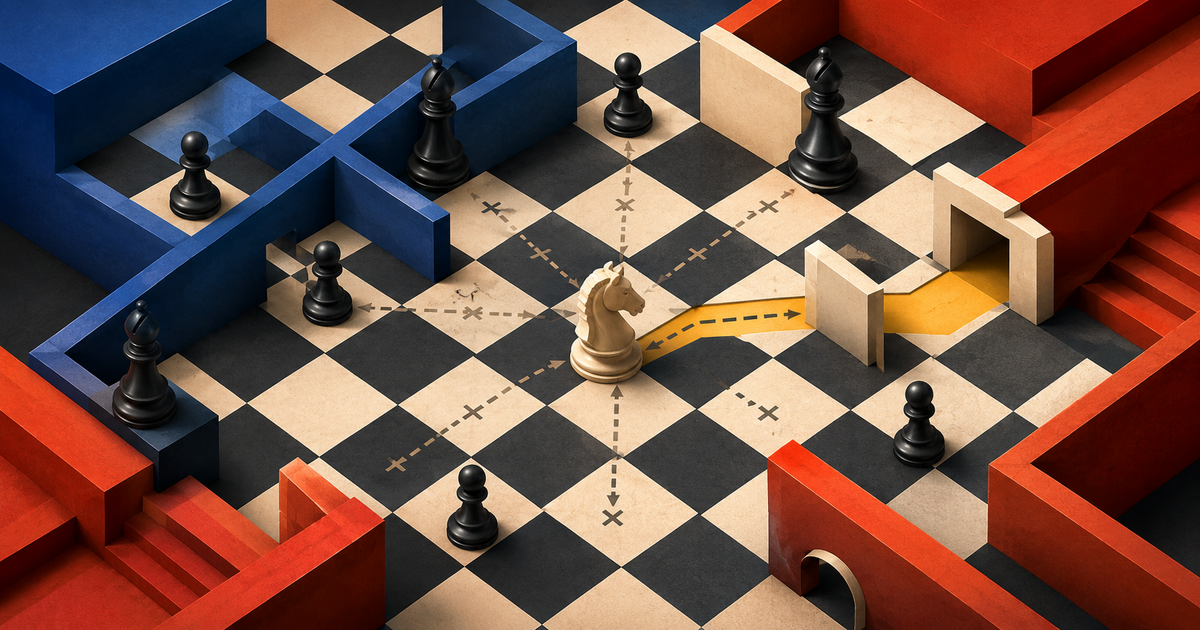
Restriction is the art of reducing the opponent’s useful moves before beginning your own active operation. A restricted piece may have legal squares but no productive role; a restricted pawn break may exist but fail tactically. 🔒 The position becomes …
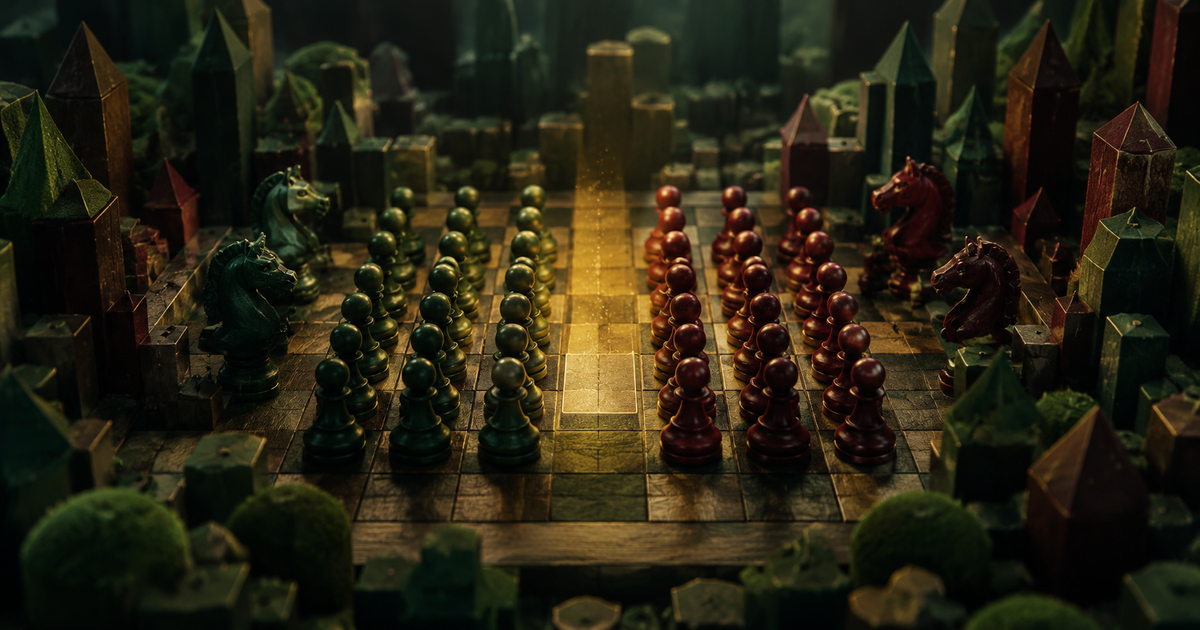
Closed positions contain locked pawn chains and limited open lines. Because immediate contact is reduced, plans often unfold through slow piece maneuvers, preparation of pawn breaks, and play on opposite wings. 🔒 The absence of open lines does not mean …

Doubled pawns are often described as a weakness, but that label is incomplete. They may control important squares, open files, support central space, or provide a useful pawn break. ♟️ Their value depends on mobility and piece activity, not their …
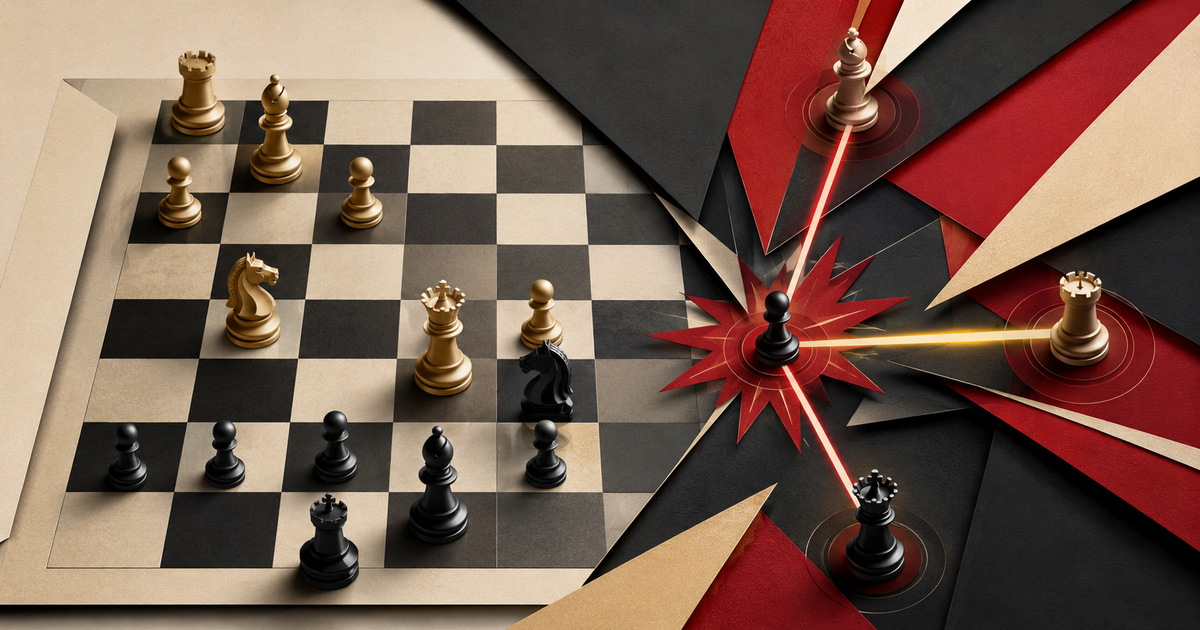
Tactics and strategy are not separate subjects. A positional advantage becomes valuable when it creates a tactical possibility, and a tactical motif often succeeds because the pieces were positioned better first. ⚡ Strong players improve their position while quietly increasing …
Not a member yet? Register now
Are you a member? Login now