Judge the entry into a rook ending by its immediate demands: surviving rook duties, checking lines, king shelter and the first useful action you can take.
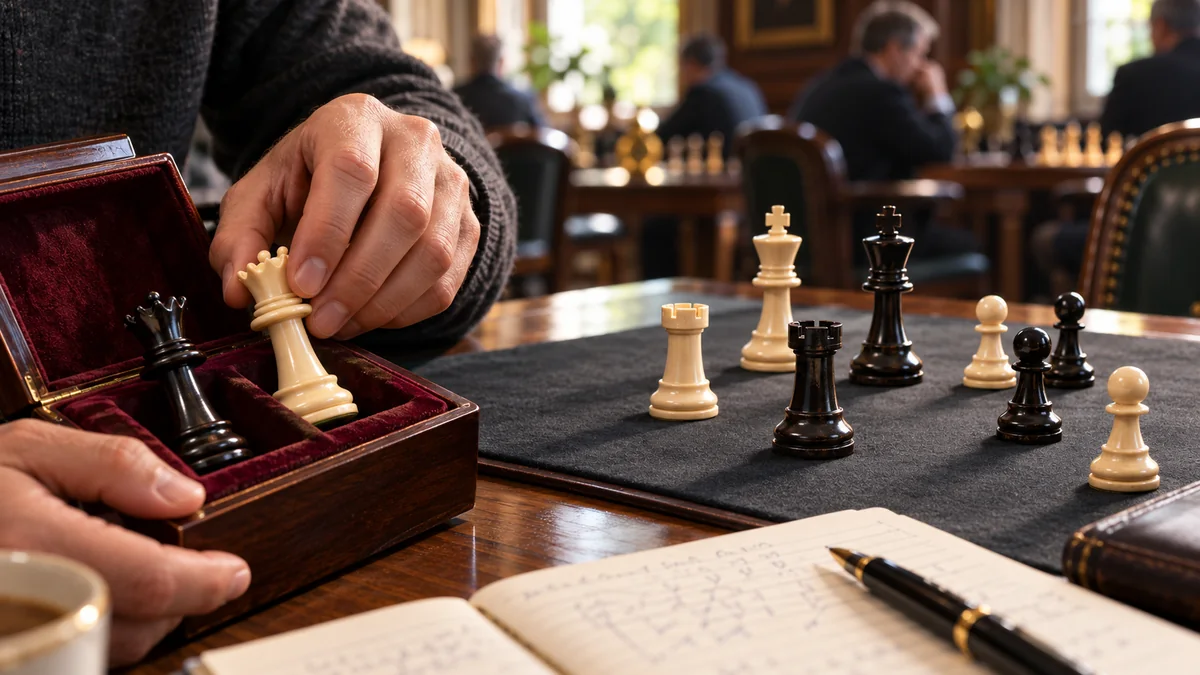

Judge the entry into a rook ending by its immediate demands: surviving rook duties, checking lines, king shelter and the first useful action you can take.

Use a quiet king move to remove a checking tempo or pin before your next operation. Compare both move orders and test the new square against resistance.

A superior knight still needs a way through. Preserve the bishop’s restrictions while arranging useful king access, a second target or a sound exchange.

A rook pawn gives a knight fewer ways to reach the promotion corner. Compare interception squares, king support, pawn timing and the material after captures.

Keep a queenless attack productive by preserving confinement, choosing useful checks and collecting concessions before the enemy king becomes active.

An opposing pawn break can become dangerous before any pawn moves. Identify the missing preparation, price your restraint and compare allowing a prepared exchange.

Plan a king march by testing its destination, exposed transit squares and changing pawn barriers, while allowing the opponent every turn of the journey.

Judge a wide-board minor-piece ending by who must travel, which duties can be combined and what happens to the unattended pawns during a transfer.
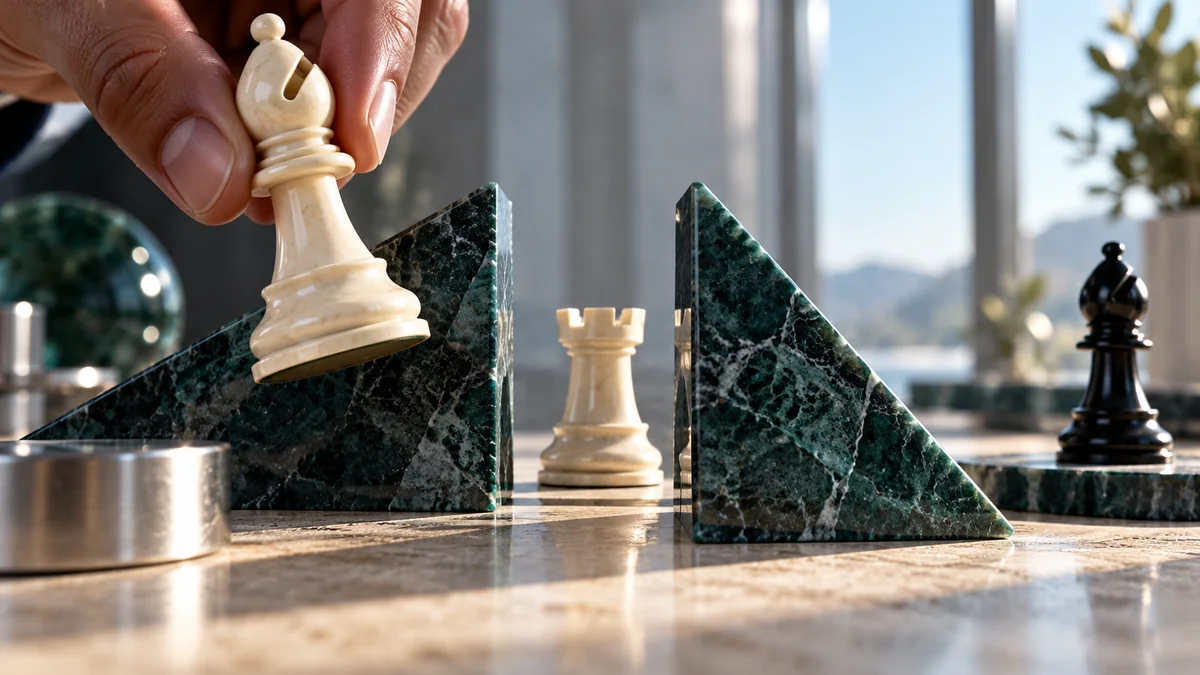
Before trading your good bishop, identify which surviving piece benefits and which duty becomes harder. Compare usable gains with the coverage you surrender.
Not a member yet? Register now
Are you a member? Login now