A space advantage in chess gives your pieces more room and leaves the opponent fewer comfortable squares. 🗺️ It can make a position feel easy—but space is potential, not a result. If you do nothing with it, the opponent may …
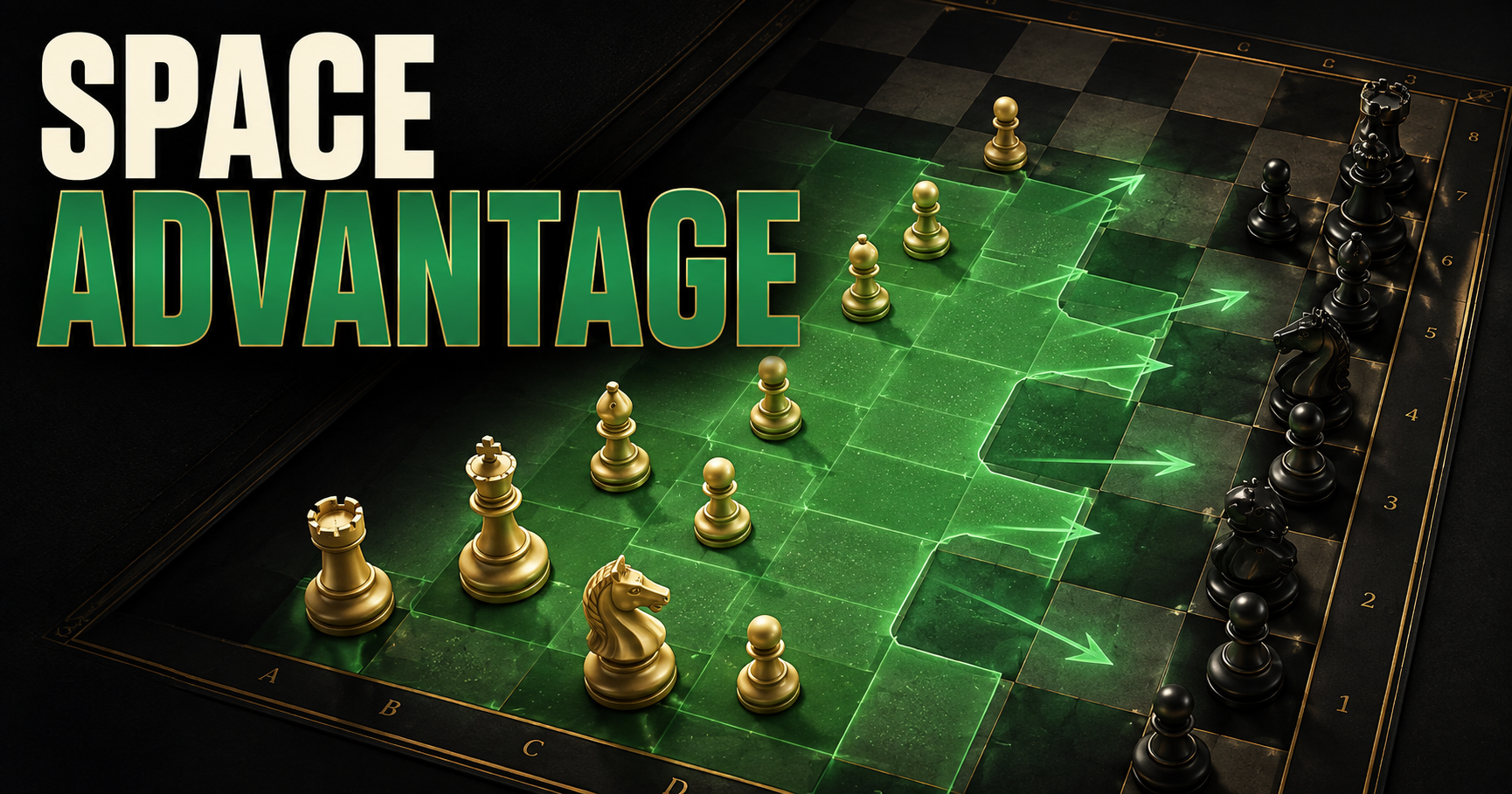

A space advantage in chess gives your pieces more room and leaves the opponent fewer comfortable squares. 🗺️ It can make a position feel easy—but space is potential, not a result. If you do nothing with it, the opponent may …

Piece coordination in chess is the difference between owning five active-looking pieces and having one army. 🎼 A knight, bishop, rook, and queen may each stand well, yet accomplish almost nothing if they attack different targets or block one another. …

Many players treat exchanges as automatic: trade when ahead, avoid trades when attacking, swap a bishop for a knight if it wins a pawn. But strong chess is rarely that simple. ♟️ Every exchange changes the position’s geometry, removes possibilities, …

Open files are highways for rooks and queens. When no pawns remain on a file, heavy pieces can penetrate, attack weaknesses, and switch rapidly between ranks. ♜ Controlling an open file is valuable—but only when it leads somewhere useful. Many …

The bishop pair can become a powerful long-term advantage. Two bishops control both color complexes, operate across the entire board, and often grow stronger as the position opens. ♗♝ Their value, however, depends on how you shape the position. Simply …
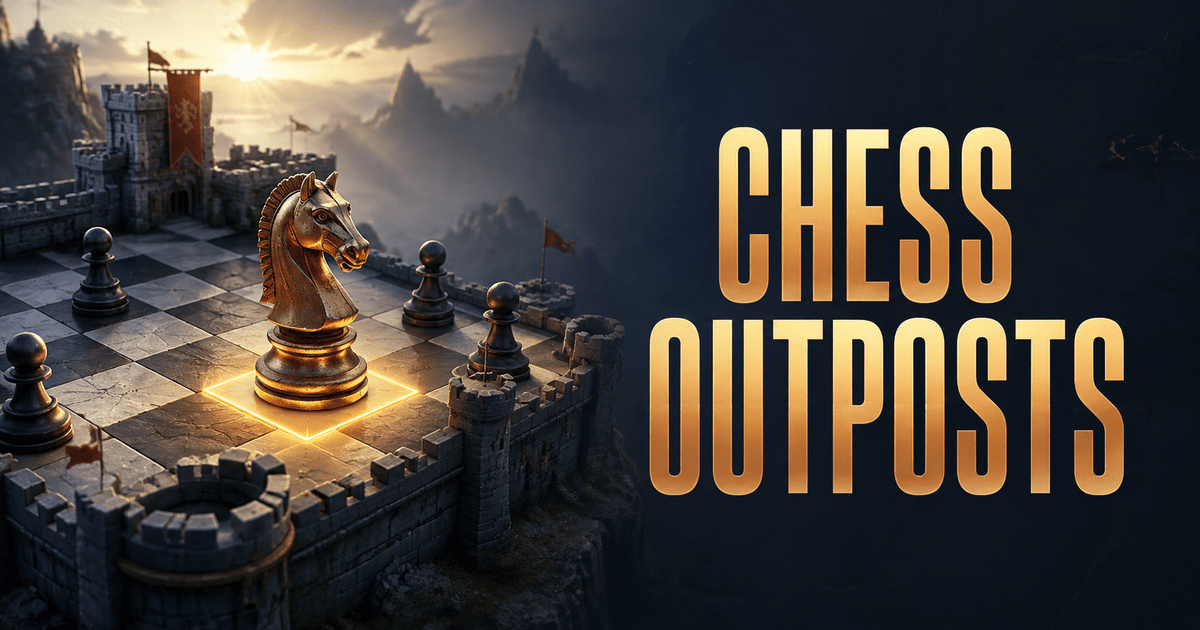
An outpost is a protected square in enemy territory that cannot easily be challenged by a pawn. When the right piece occupies it, the entire position can change. ♞ The opponent becomes restricted, weaknesses appear, and your plans gain a …

Prophylaxis is the art of asking what your opponent wants and responding before their idea becomes dangerous. 🛡️ It is not passive chess. The best prophylactic moves restrict the opponent while improving your own position. Many players notice direct threats …

Pawn structures are the skeleton of a chess position. They determine which files can open, where pieces belong, which weaknesses may become permanent, and on which side of the board each player should act. 🧱 When you understand the structure, …

To choose a strong move, you first need to understand what the position is asking for. That begins with evaluation: a clear comparison of both sides’ strengths, weaknesses, and immediate possibilities. 🔎 Without it, calculation becomes random because you do …
Not a member yet? Register now
Are you a member? Login now