To create a passed pawn, look for a favorable pawn exchange, a well-timed majority advance, or a tactical break that removes the last enemy pawn from an adjacent file. The important part is not simply producing a passer—it is creating …
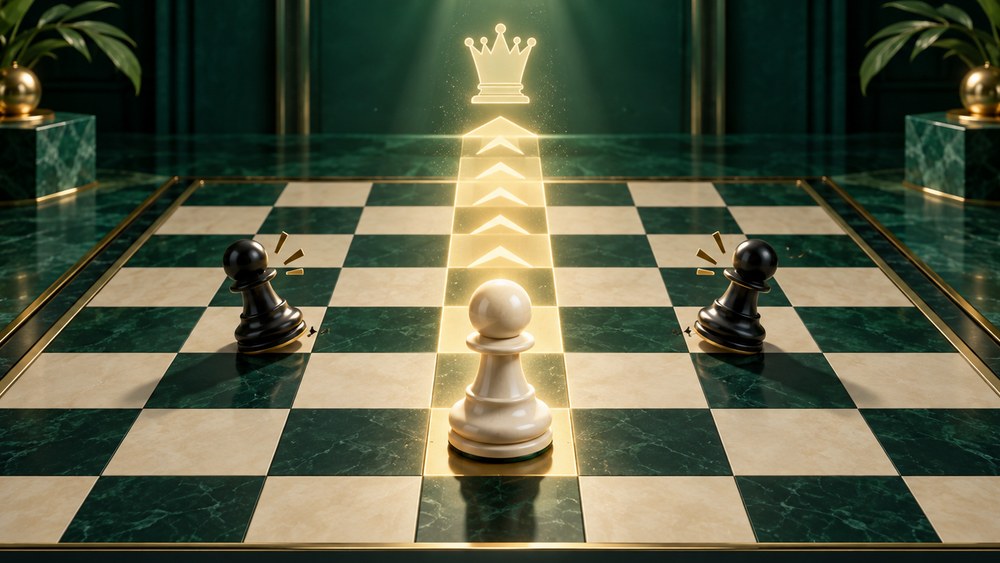

To create a passed pawn, look for a favorable pawn exchange, a well-timed majority advance, or a tactical break that removes the last enemy pawn from an adjacent file. The important part is not simply producing a passer—it is creating …
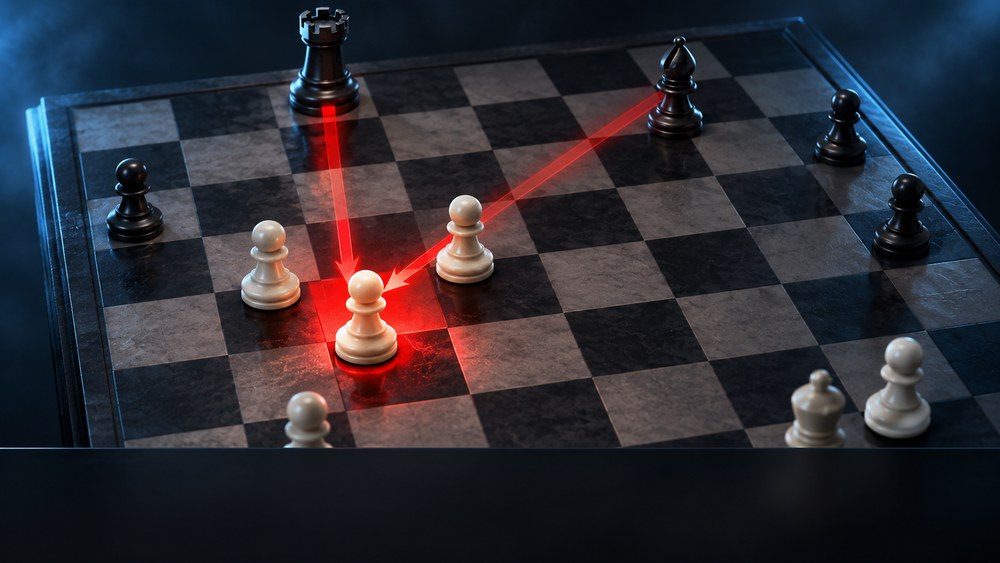
♟️ Playing with a backward pawn is not simply a matter of defending a weakness. The position is a balance between the pawn itself, the square in front of it, and the activity your pieces can create elsewhere. The most …
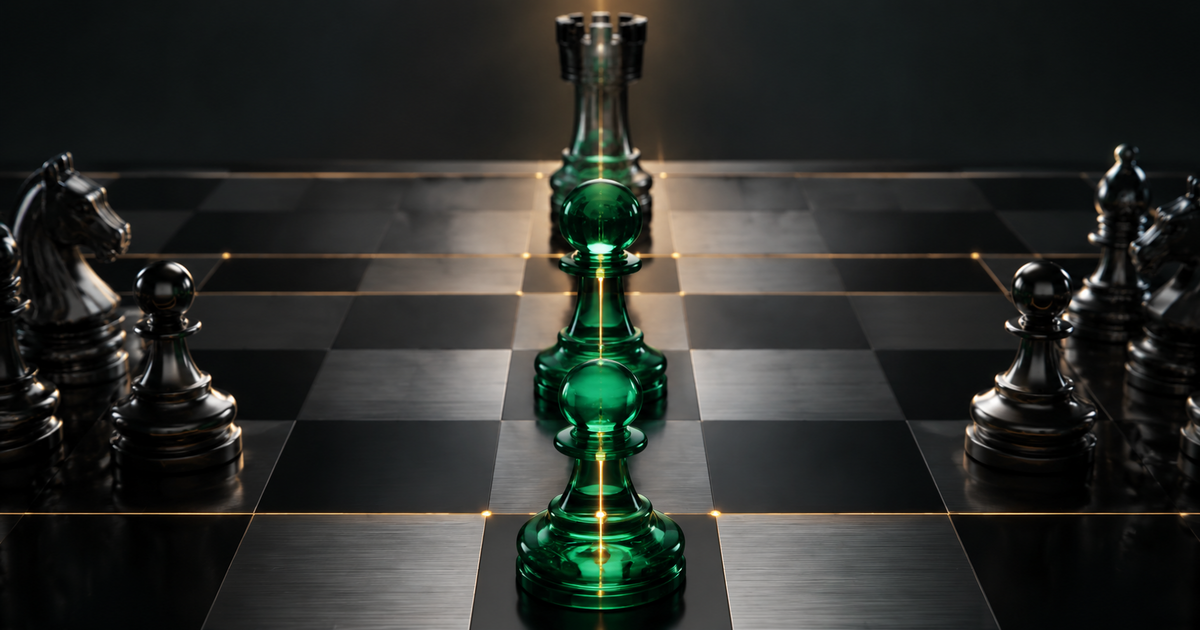
Doubled pawns are often described as a weakness, but that label is incomplete. They may control important squares, open files, support central space, or provide a useful pawn break. ♟️ Their value depends on mobility and piece activity, not their …
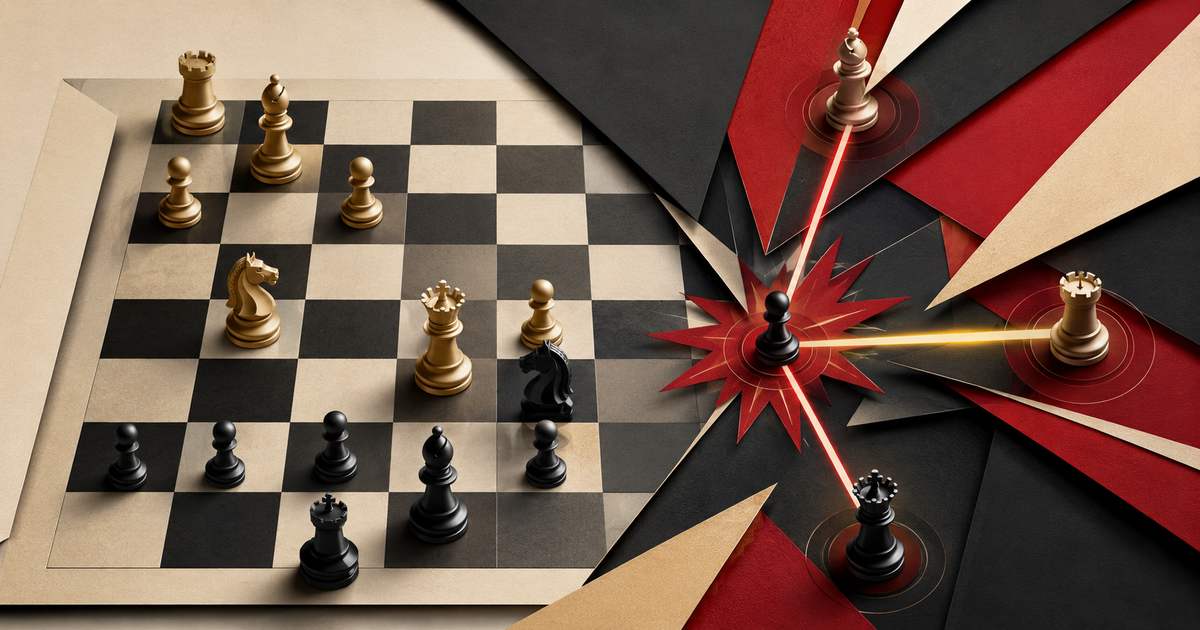
Tactics and strategy are not separate subjects. A positional advantage becomes valuable when it creates a tactical possibility, and a tactical motif often succeeds because the pieces were positioned better first. ⚡ Strong players improve their position while quietly increasing …
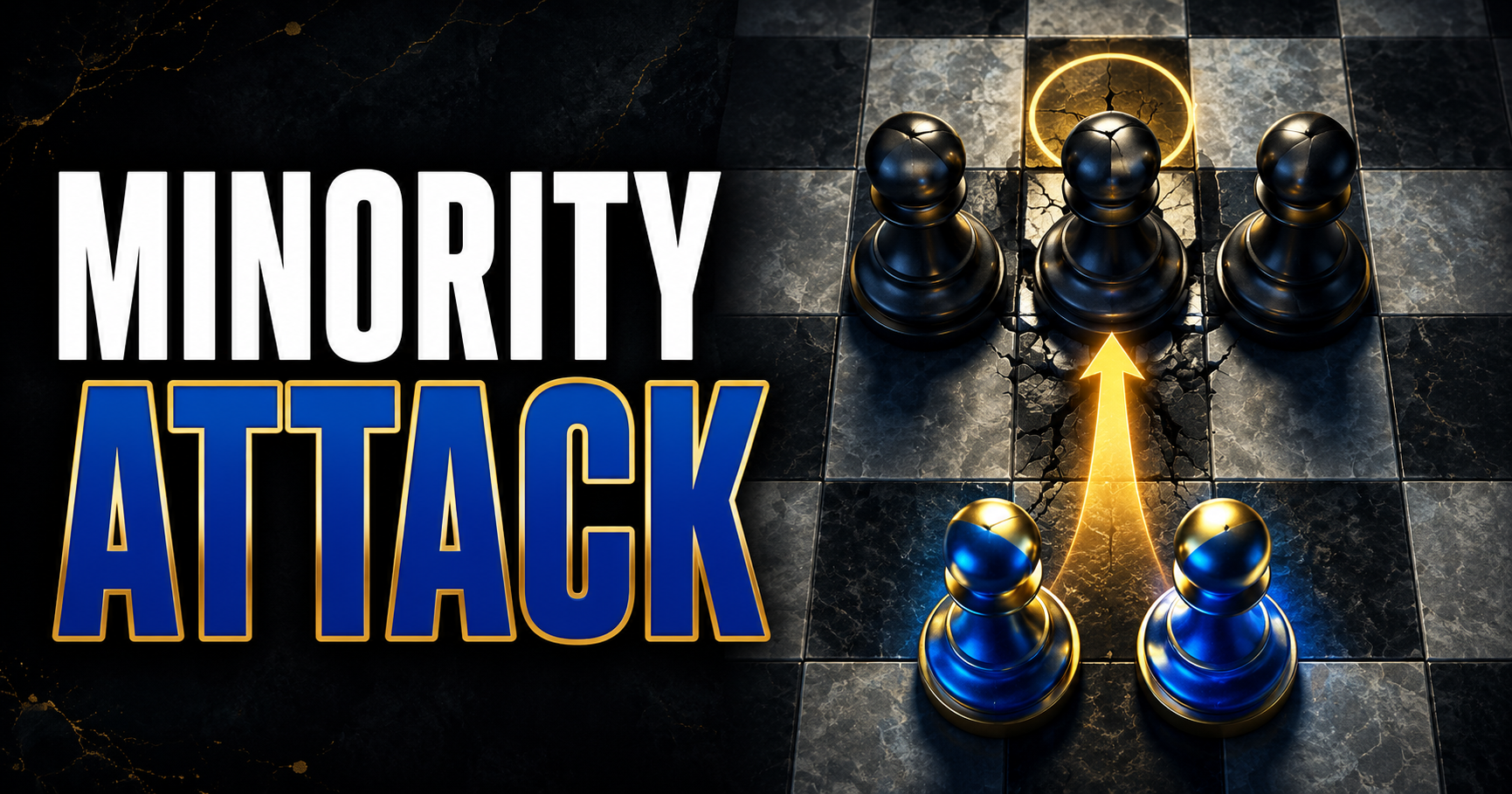
A minority attack in chess uses fewer pawns to challenge a larger pawn group, usually with the goal of creating a fixed weakness rather than winning material immediately. ♟️ It is one of the clearest examples of a long-term plan …
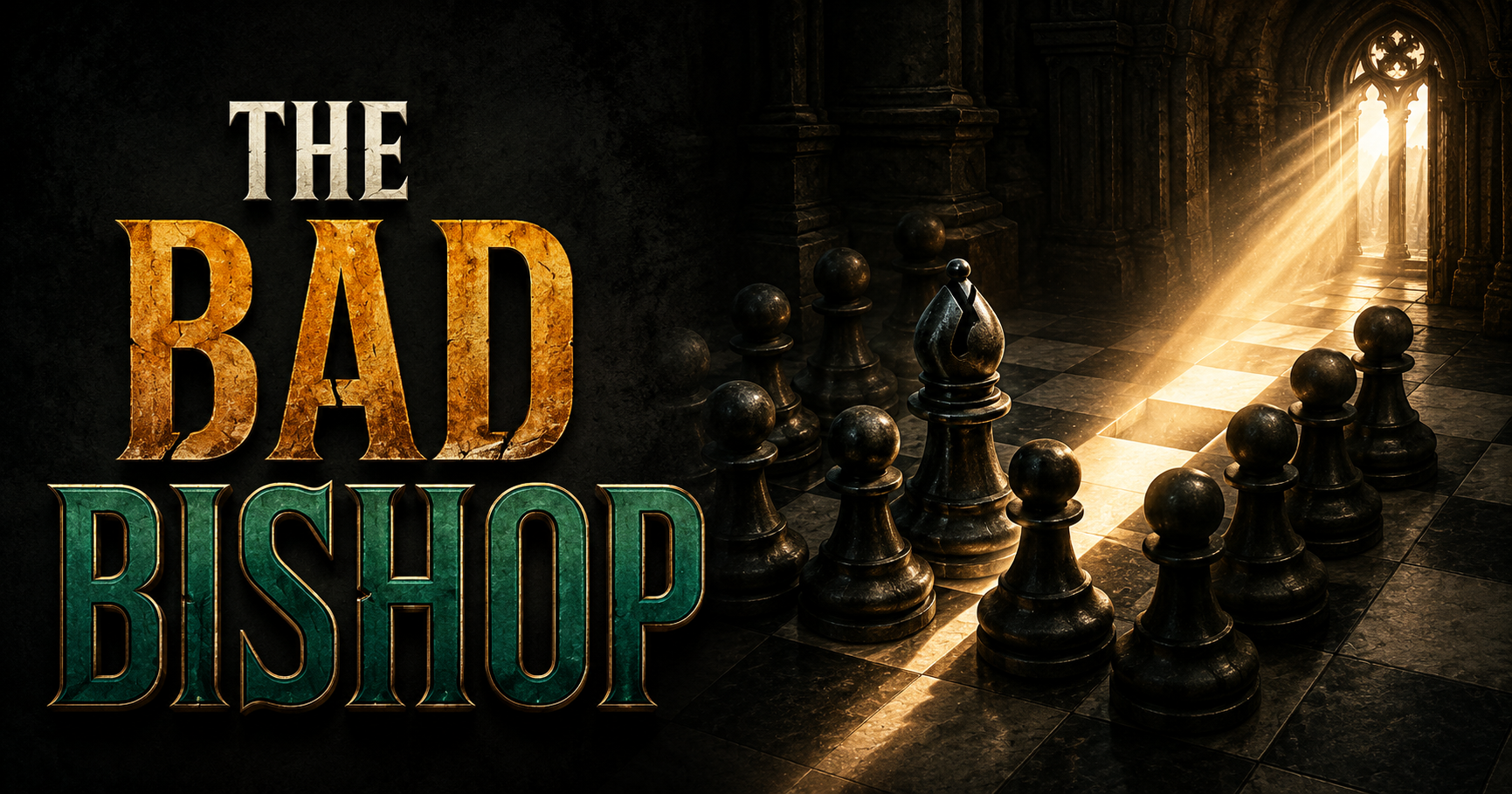
A bad bishop in chess is usually restricted by its own pawns, especially when those pawns sit on the same color as the bishop. 🐘 The label sounds final, but the piece may still defend key squares, support a pawn …
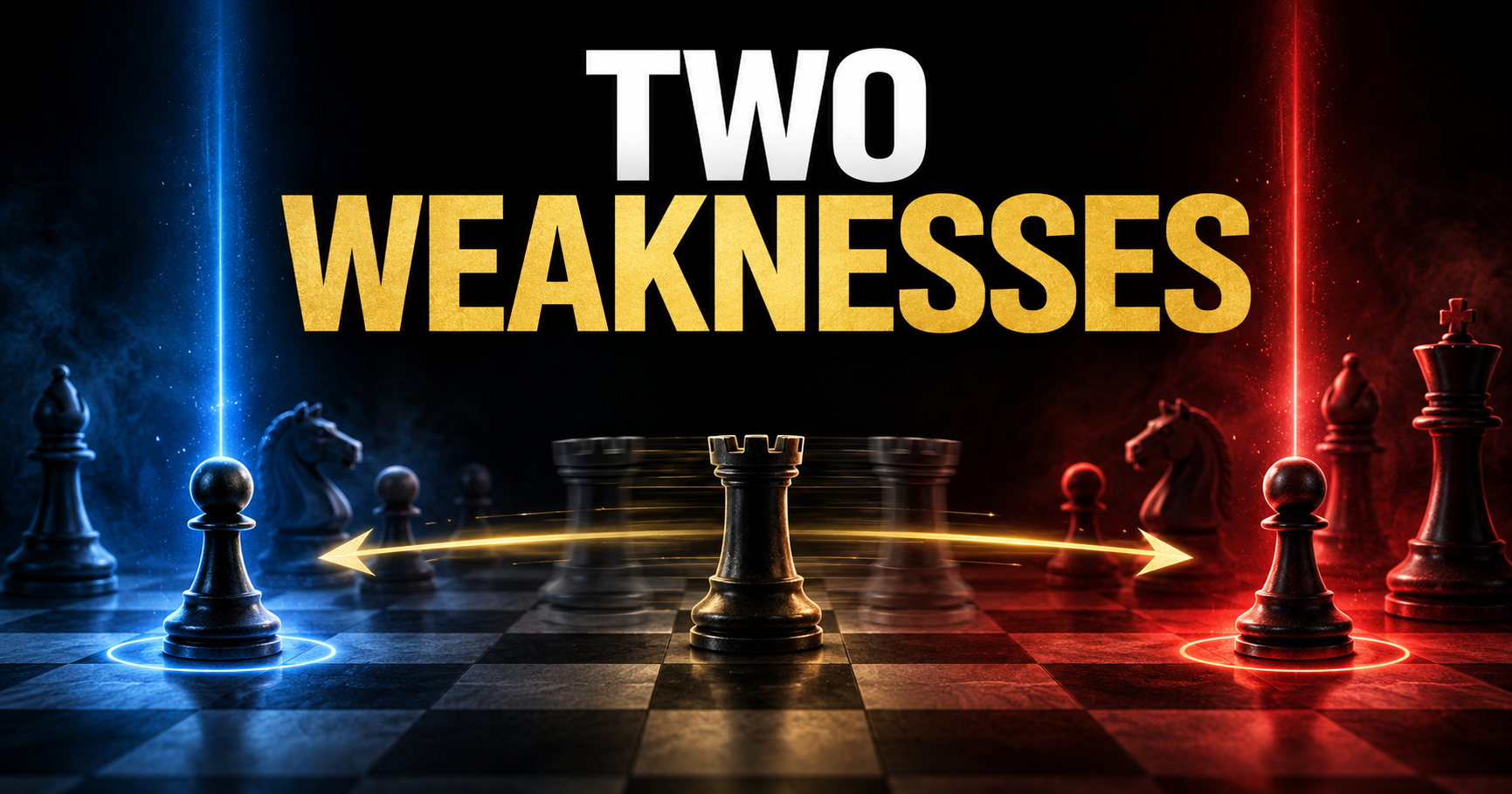
The principle of two weaknesses explains why one target is often not enough to win. A defender can organize every piece around a single weakness; a second, distant target forces that defensive setup to stretch. The technique requires patience and …
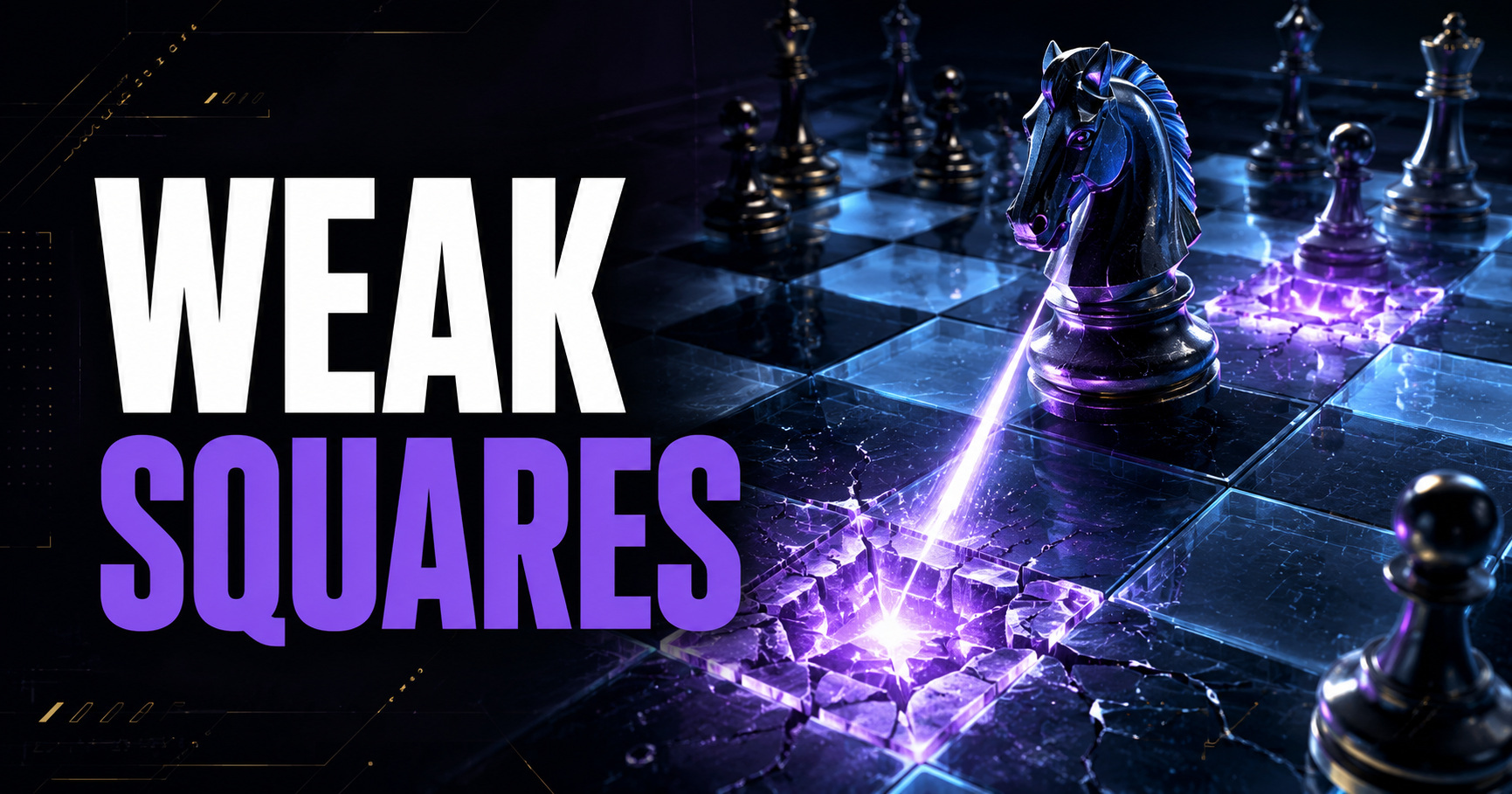
Weak squares in chess are not merely empty squares. They are squares that cannot be challenged easily—especially by pawns—and can become lasting outposts, entry points, or anchors for an attack. A weak square matters only when you can use it. …
Hanging pawns in chess are two connected pawns—usually on the c- and d-files—with no neighboring pawns to support them. They control useful central squares and provide space, but they can become fixed targets if the opponent blockades them. Treat the …
Not a member yet? Register now
Are you a member? Login now