A pawn break in chess is the moment a quiet structure changes its character. 🔨 One pawn move can open a file, activate a bishop, create a passed pawn, or expose a king. Because pawns cannot move backward, the timing …

A pawn break in chess is the moment a quiet structure changes its character. 🔨 One pawn move can open a file, activate a bishop, create a passed pawn, or expose a king. Because pawns cannot move backward, the timing …
The principle of two weaknesses explains why one target is often not enough to win. A defender can organize every piece around a single weakness; a second target forces that structure to stretch. 🎯 The idea sounds simple, but the …
Weak squares in chess are not simply empty squares. They are squares that cannot be defended easily—especially by pawns—and can become permanent homes, entry points, or anchors for an attack. 🎯 A weak square matters only when a piece can …
Hanging pawns in chess are two connected pawns—usually on the c- and d-files—with no neighboring pawns to support them. 🪢 They can control important squares and give you space, but they can also become fixed targets. Think of hanging pawns …
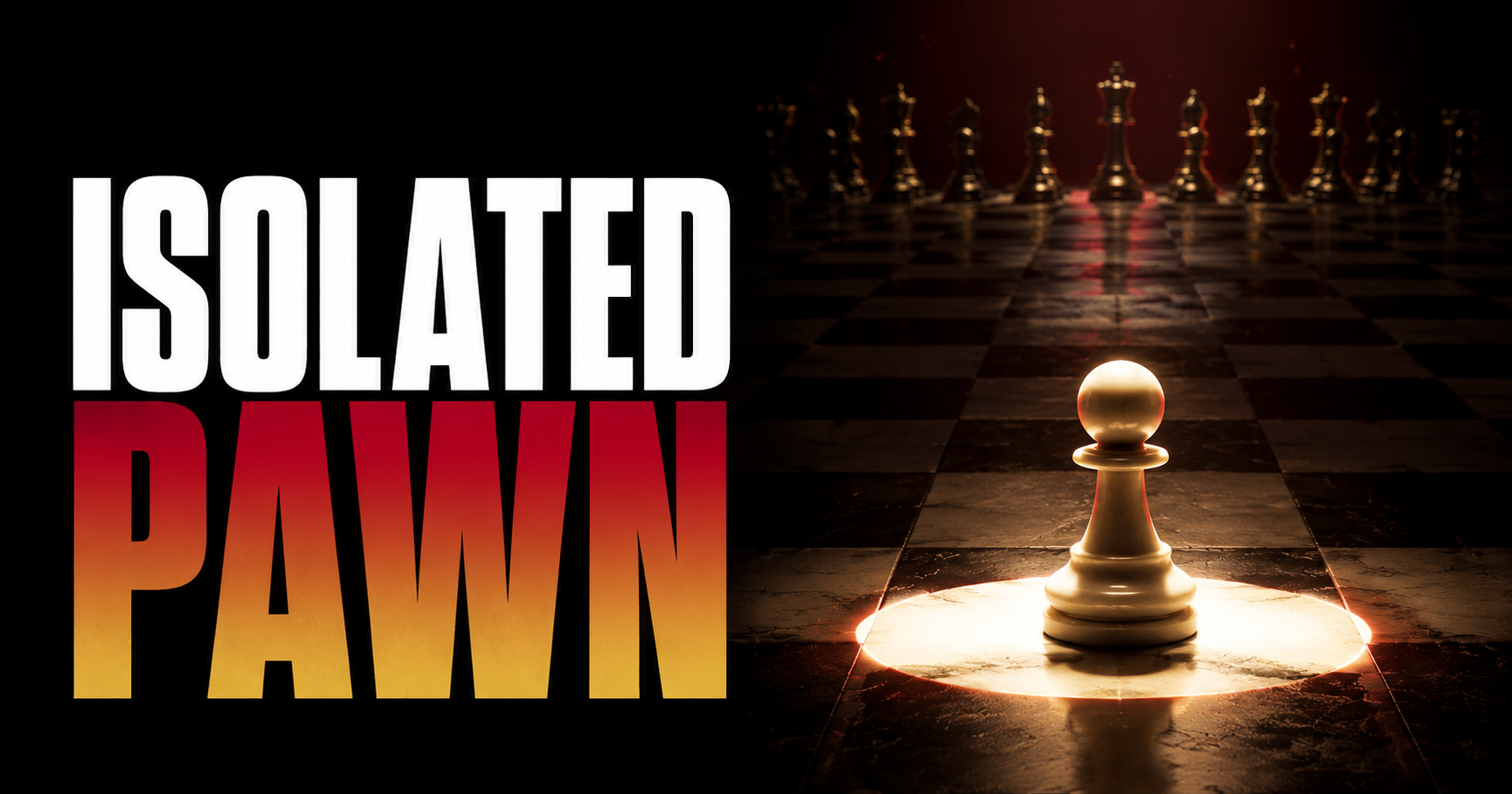
The isolated queen’s pawn is one of chess’s most fascinating contradictions: it is a weakness and an attacking engine at the same time. ⚡ It cannot be protected by another pawn, yet it gives space, open lines, and active squares. …
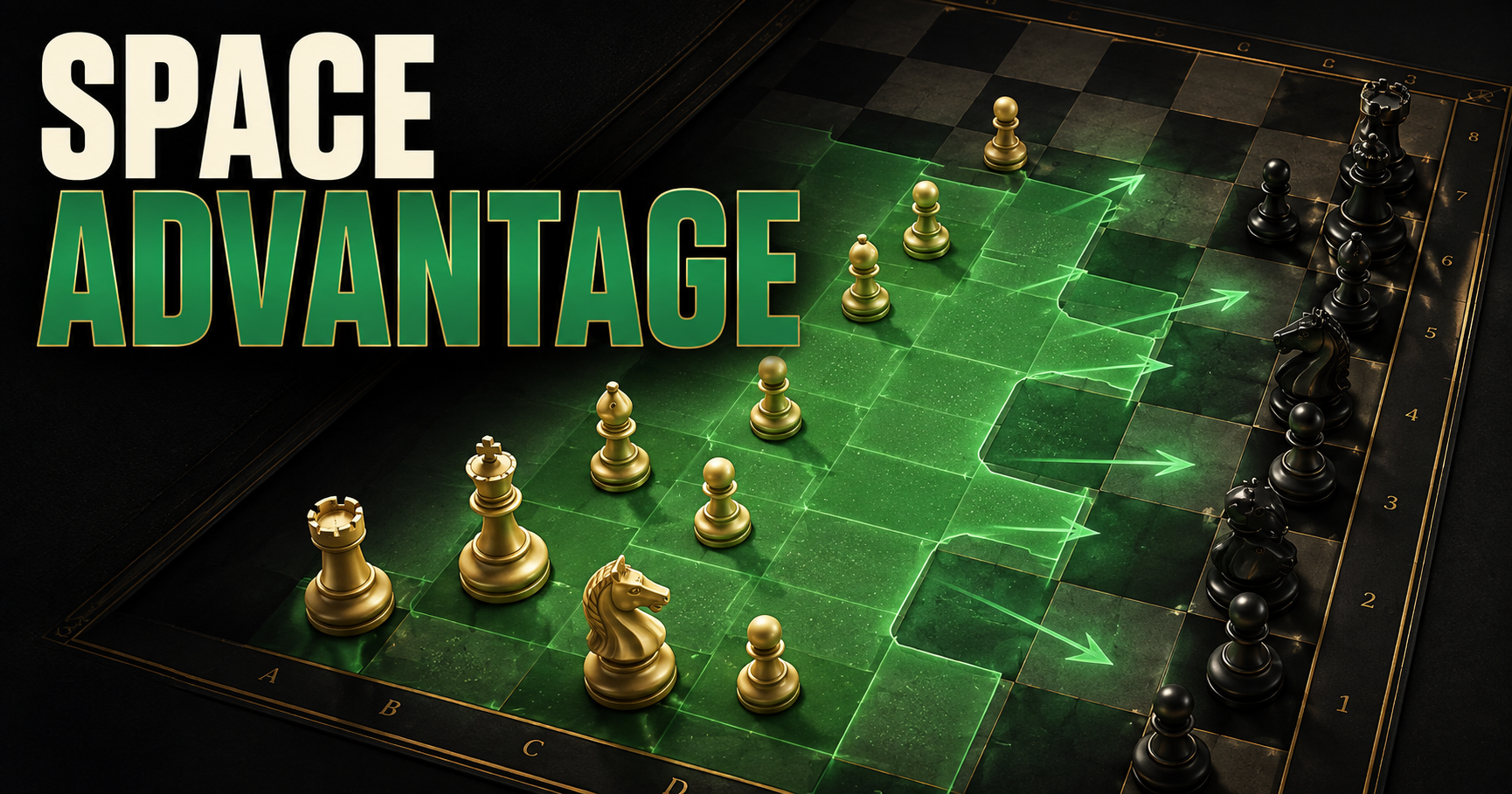
A space advantage in chess gives your pieces more room and leaves the opponent fewer comfortable squares. 🗺️ It can make a position feel easy—but space is potential, not a result. If you do nothing with it, the opponent may …
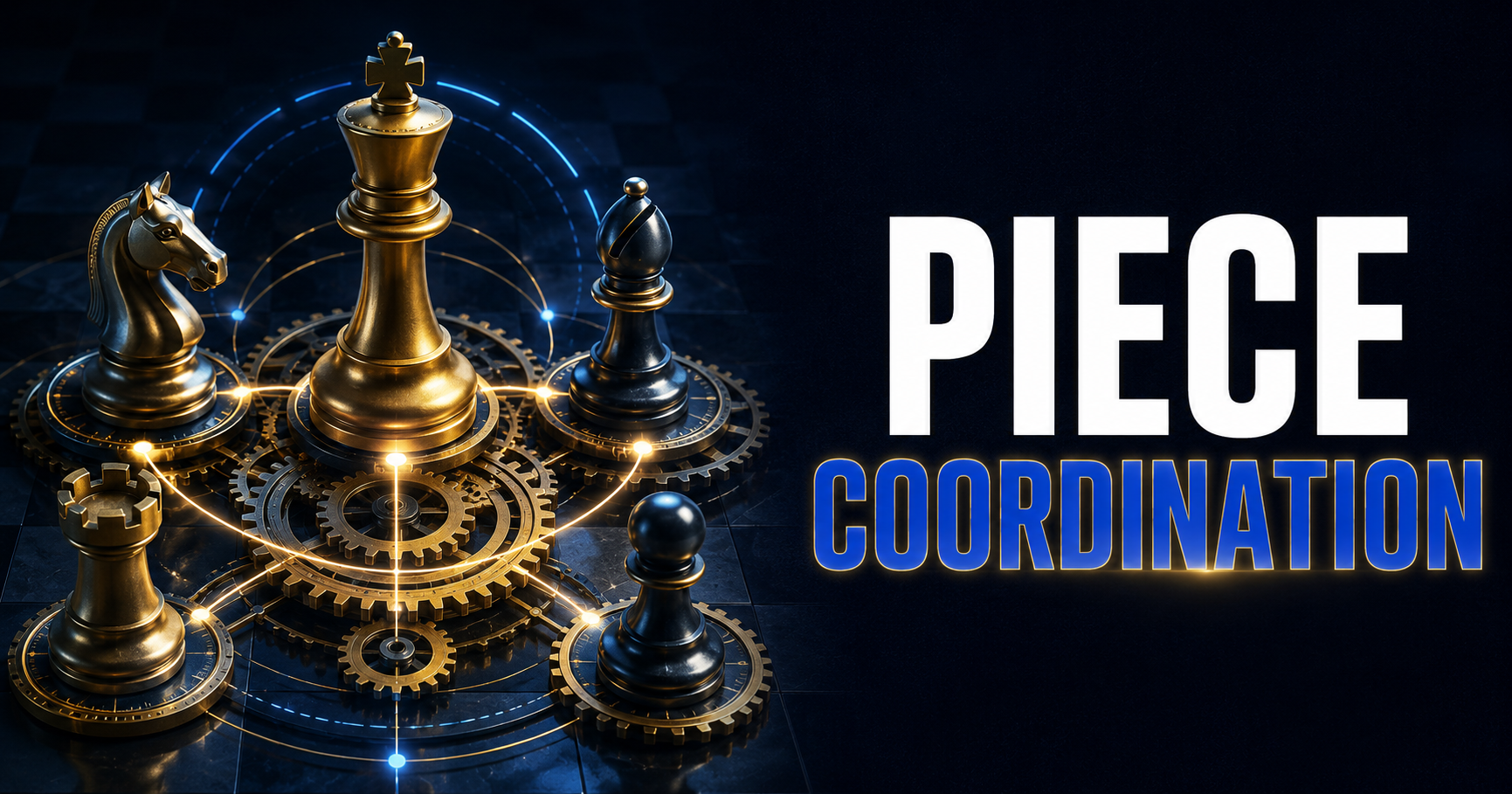
Piece coordination in chess is the difference between owning five active-looking pieces and having one army. 🎼 A knight, bishop, rook, and queen may each stand well, yet accomplish almost nothing if they attack different targets or block one another. …

Many players treat exchanges as automatic: trade when ahead, avoid trades when attacking, swap a bishop for a knight if it wins a pawn. But strong chess is rarely that simple. ♟️ Every exchange changes the position’s geometry, removes possibilities, …
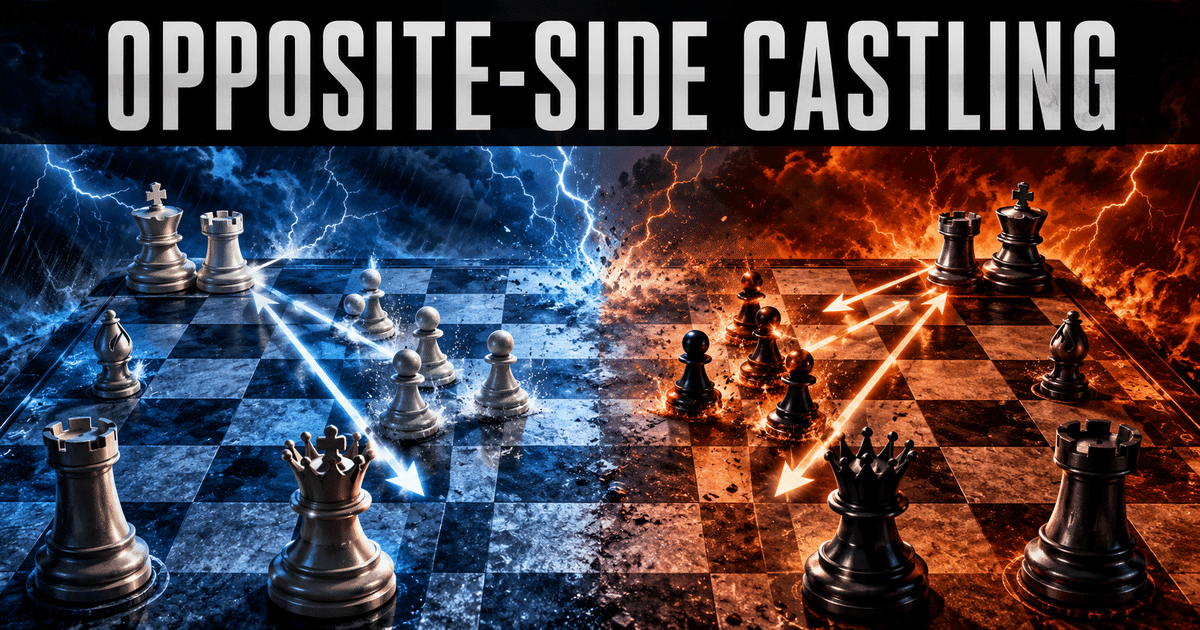
Opposite-side castling creates some of the most exciting positions in chess. Both kings live on different wings, so each player can advance pawns toward the enemy king without exposing their own shelter in the same way. 🔥 The result is …
Not a member yet? Register now
Are you a member? Login now