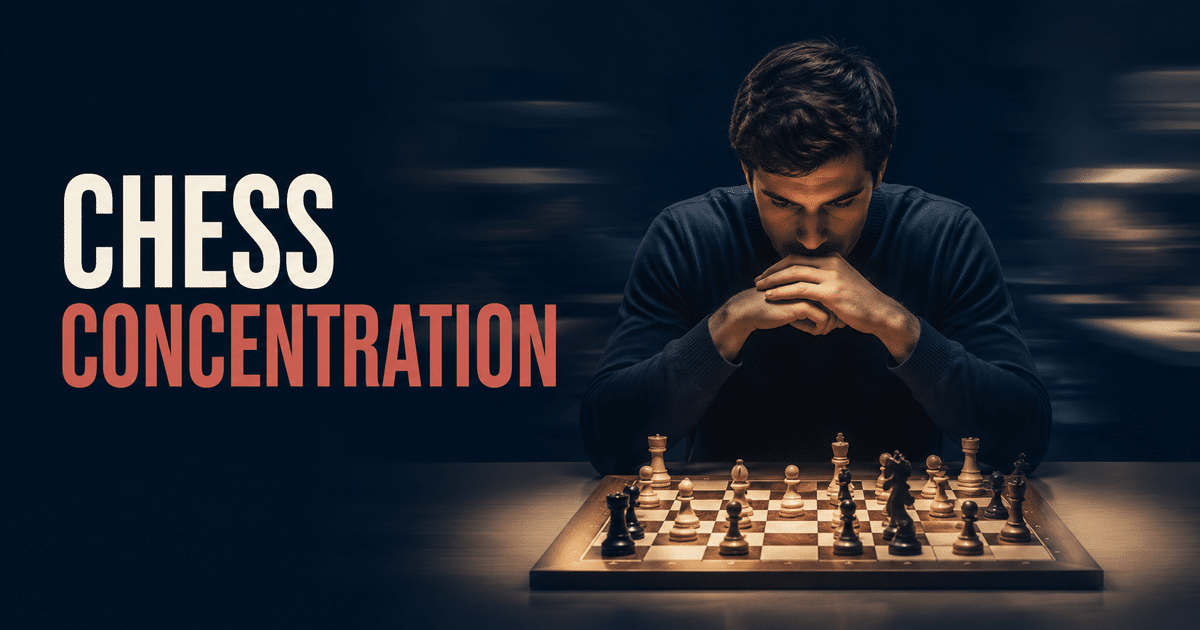
Chess concentration is the ability to keep returning your attention to the position for hours, even after surprises, mistakes, and fatigue. 🧠 Strong focus does not mean never becoming distracted—it means noticing the distraction and resetting quickly. A single lapse …
Open files are highways for rooks and queens. When no pawns remain on a file, heavy pieces can penetrate, attack weaknesses, and switch rapidly between ranks. ♜ Controlling an open file is valuable—but only when it leads somewhere useful. Many …
The bishop pair can become a powerful long-term advantage. Two bishops control both color complexes, operate across the entire board, and often grow stronger as the position opens. ♗♝ Their value, however, depends on how you shape the position. Simply …
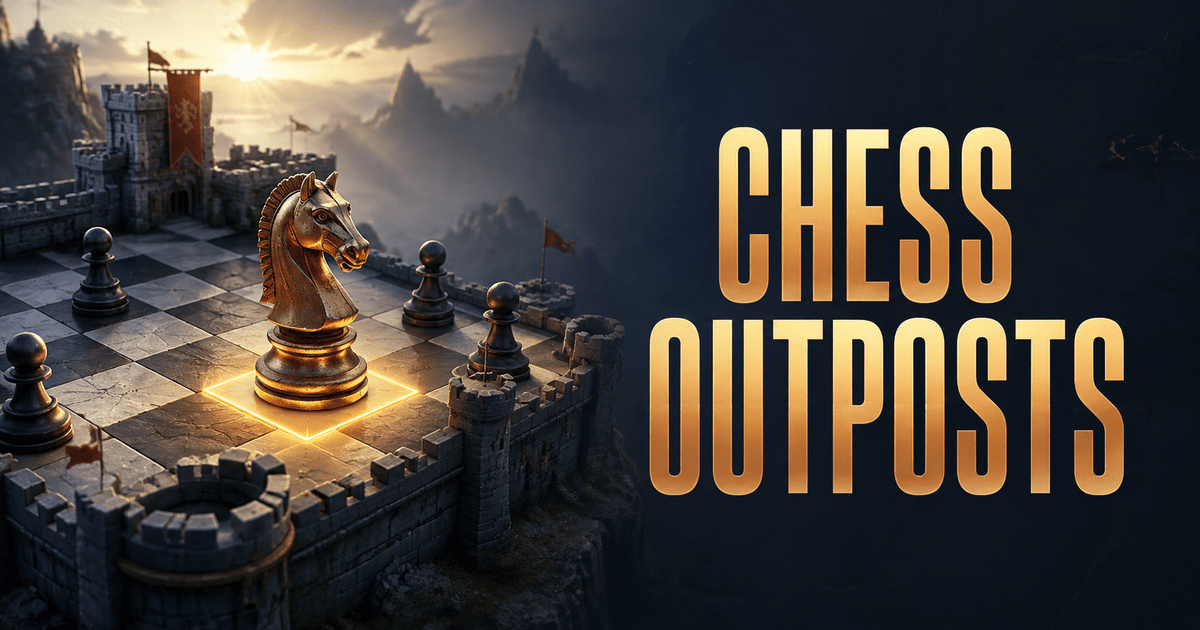
An outpost is a protected square in enemy territory that cannot easily be challenged by a pawn. When the right piece occupies it, the entire position can change. ♞ The opponent becomes restricted, weaknesses appear, and your plans gain a …
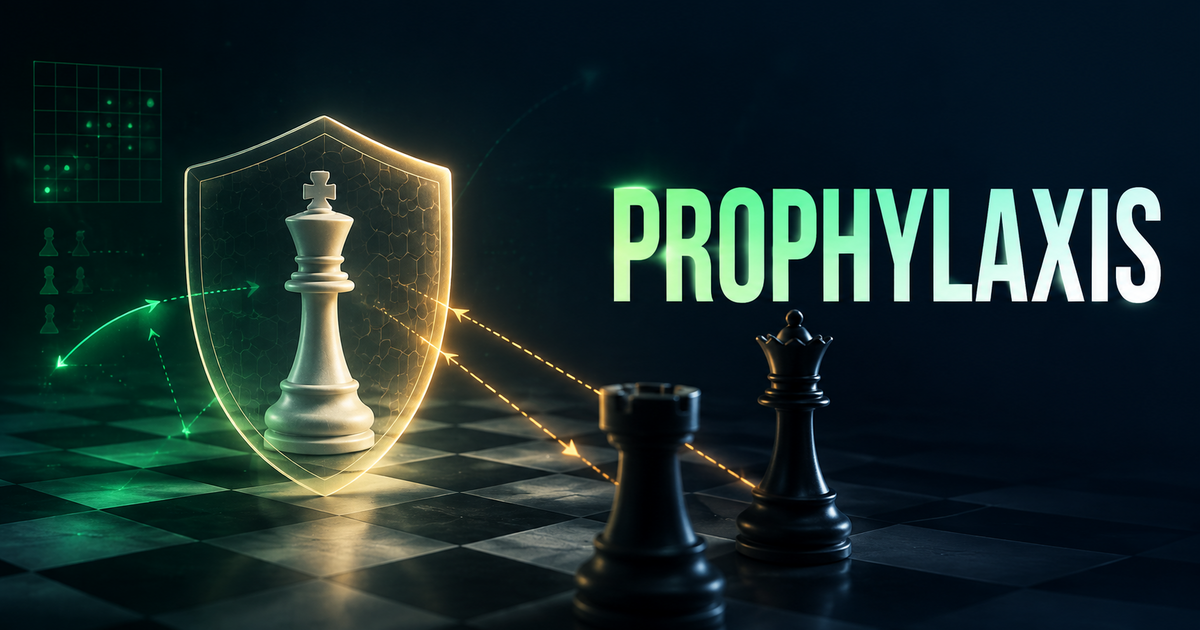
Prophylaxis is the art of asking what your opponent wants and responding before their idea becomes dangerous. 🛡️ It is not passive chess. The best prophylactic moves restrict the opponent while improving your own position. Many players notice direct threats …
Pawn structures are the skeleton of a chess position. They determine which files can open, where pieces belong, which weaknesses may become permanent, and on which side of the board each player should act. 🧱 When you understand the structure, …
Getting a winning position is only half the job. Converting it requires accuracy, patience, and emotional control—often when you already feel the point should be yours. 🏁 Many advantages disappear because the leading player relaxes, rushes, or searches for a …
Facing a much stronger chess player can make the board feel different before the first move. Their rating, title, or reputation may tempt you to become passive, force complications, or assume every move hides something brilliant. 💪 The best response …
To choose a strong move, you first need to understand what the position is asking for. That begins with evaluation: a clear comparison of both sides’ strengths, weaknesses, and immediate possibilities. 🔎 Without it, calculation becomes random because you do …