Tactics decide games at every level. A strong plan can be ruined by one fork, while a difficult position can be saved by a well-timed combination. ⚡ To improve chess tactics, you need more than random puzzle solving. Build pattern …

Tactics decide games at every level. A strong plan can be ruined by one fork, while a difficult position can be saved by a well-timed combination. ⚡ To improve chess tactics, you need more than random puzzle solving. Build pattern …
When you study grandmaster chess games actively, they provide complete lessons in opening ideas, planning, calculation, defense, and endgame technique. Yet simply clicking through the moves rarely produces lasting improvement. 📖 The real value appears when you pause, predict, question, …
Learning to manage time in chess is not about playing every move quickly. It is about spending your minutes where they have the greatest value. ⏱️ Strong practical players recognize critical positions, think deeply when a decision truly matters, and …
Chess visualization is the ability to see positions, moves, and tactical changes in your mind without physically moving the pieces. It is one of those skills that seems almost mysterious when a strong player calculates a long variation—but it is …
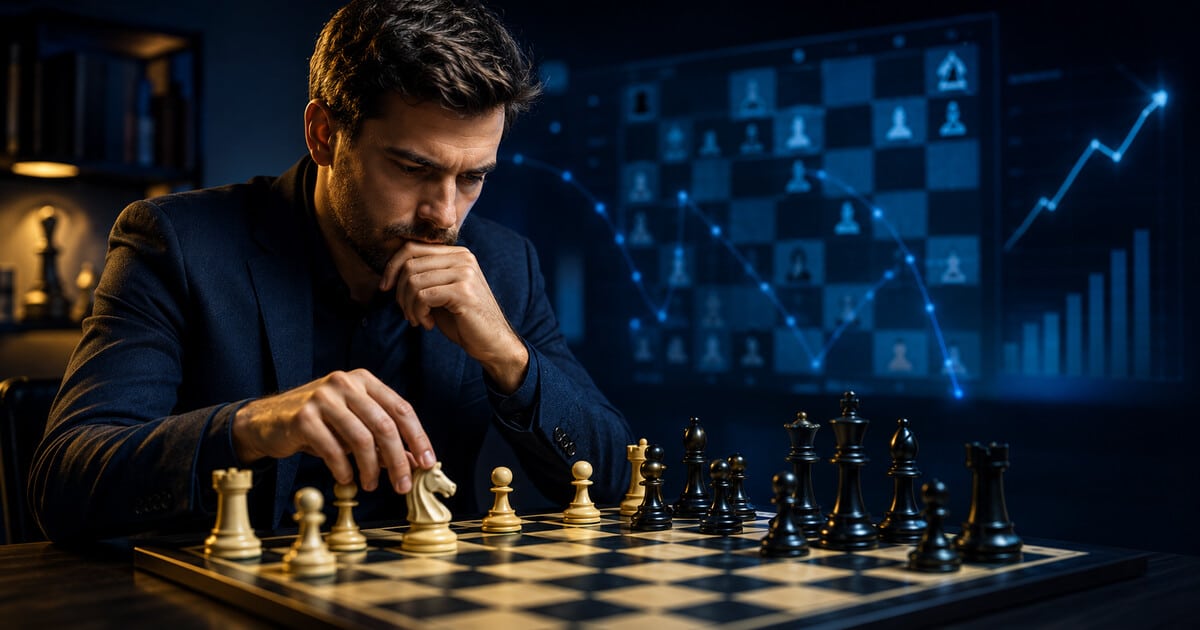
Want to get better at chess? Follow these 10 practical methods to improve your calculation, strategy, openings, endgames, and training routine faster.
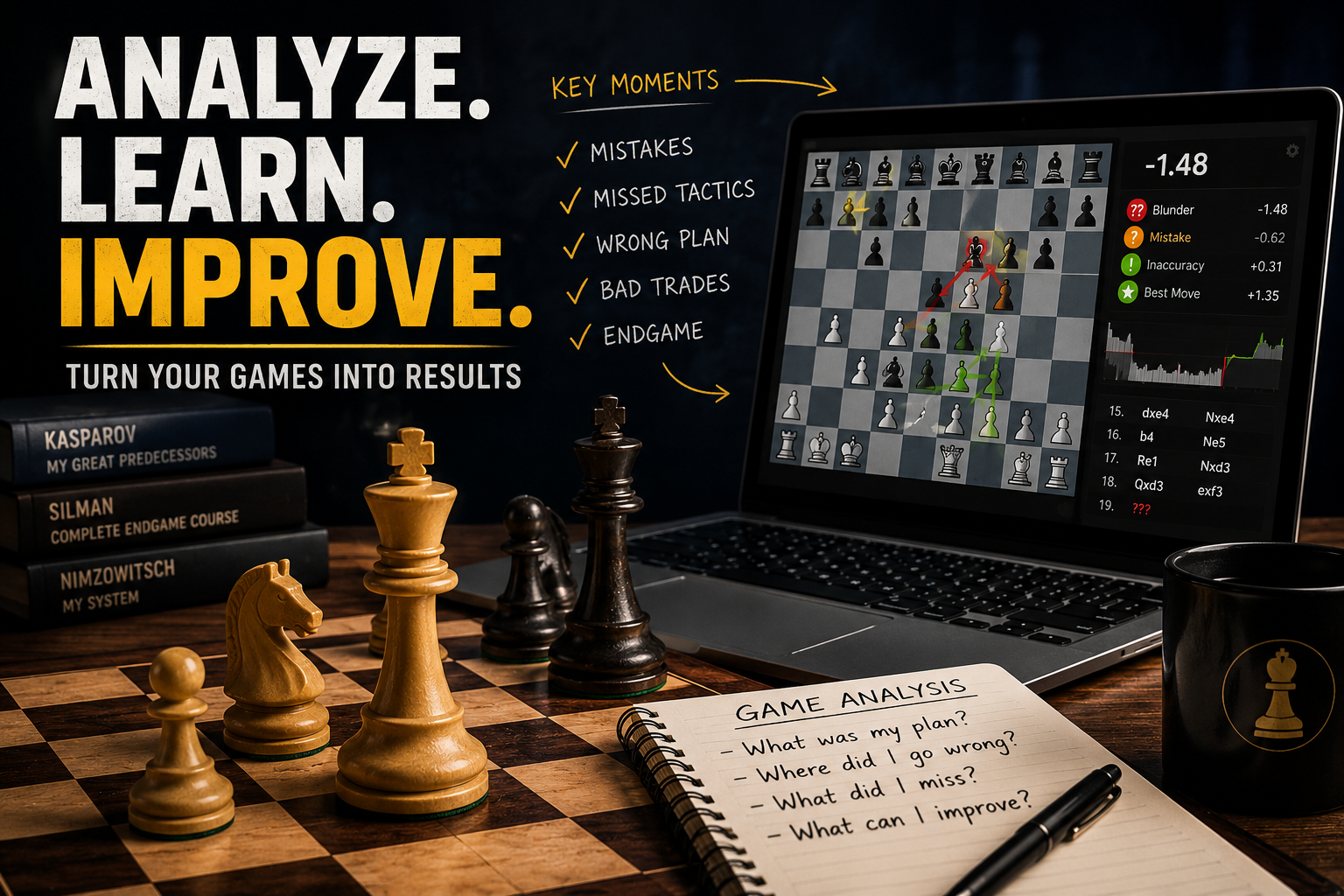
Learning how to analyze chess games means doing more than checking the engine for a blunder. A useful review reconstructs your decisions, identifies the positions that required the most judgment, and turns recurring mistakes into specific training tasks. Your own …
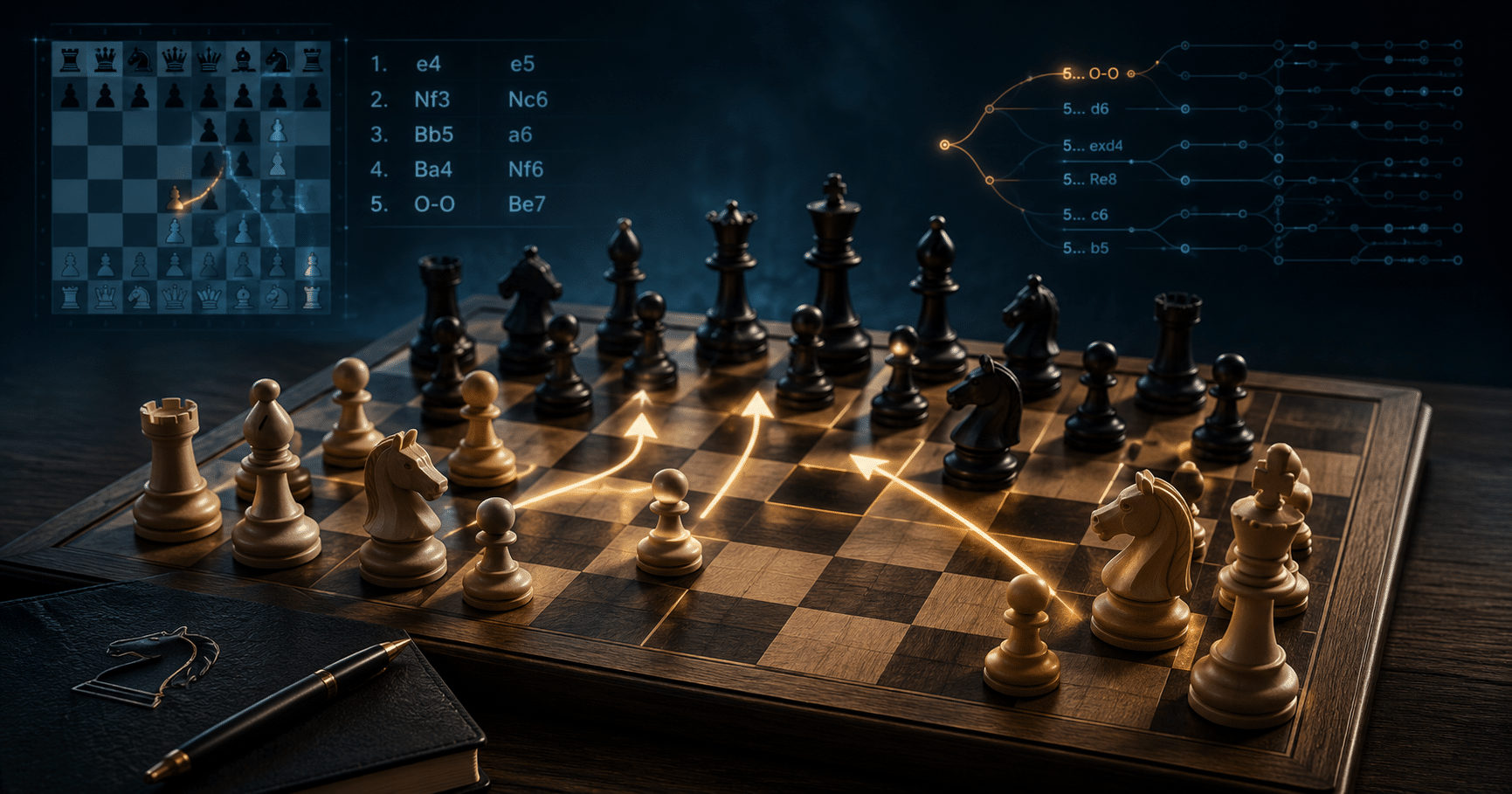
A strong chess opening repertoire should give you familiar positions, clear plans, and practical answers to the moves you are most likely to face. It should not force you to memorize endless engine lines that you do not understand. The …
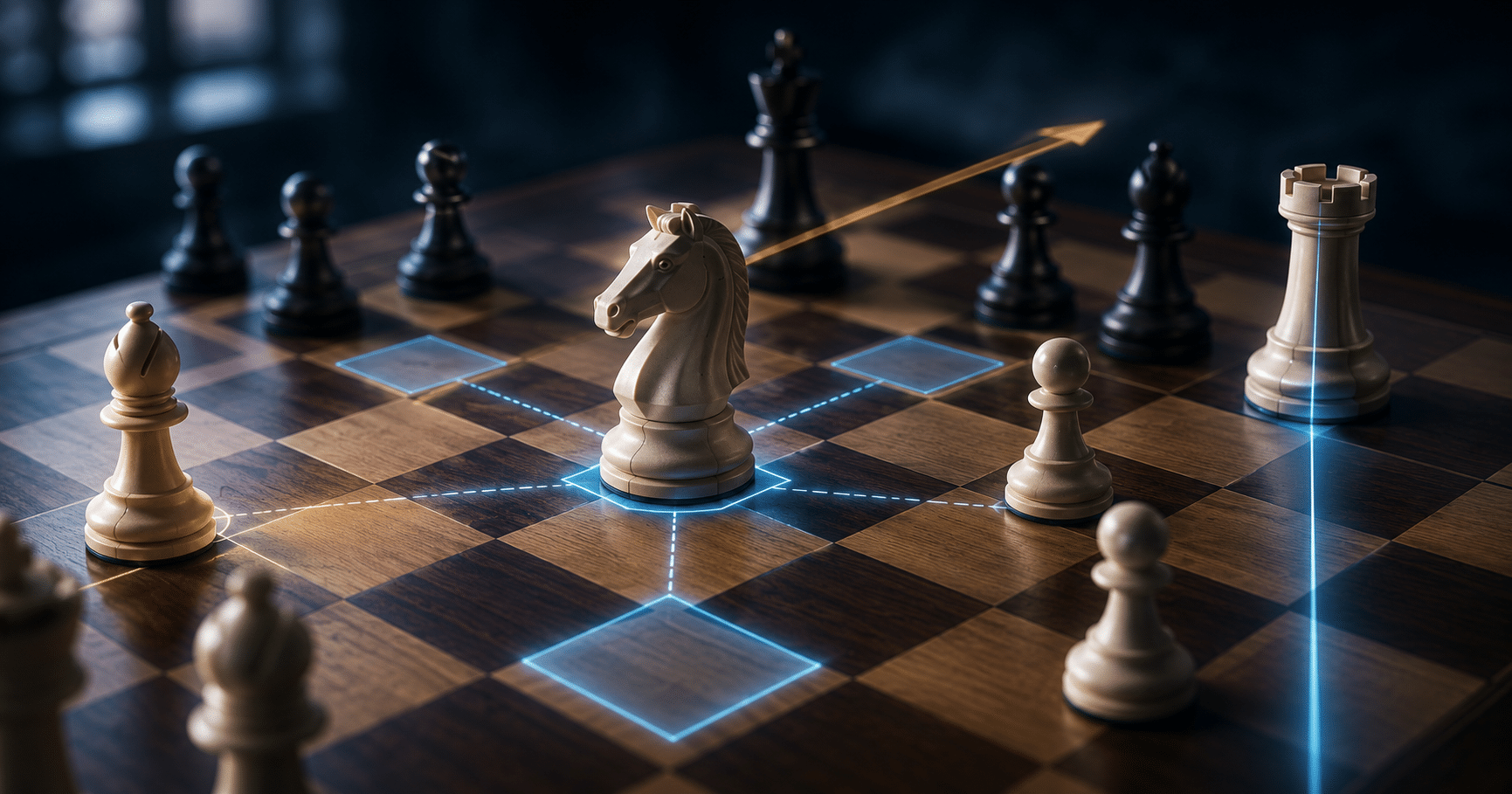
♟️ If you want to learn how to improve positional chess, start by making better decisions in positions where there is no immediate tactic. Learning how to improve positional chess starts with understanding piece activity, pawn structures, weak squares, useful …
♟️ Strong chess endgame technique helps you convert small advantages, save difficult positions, and make better decisions when fewer pieces remain on the board. You do not need to memorize every theoretical position. You need reliable habits: activate the king, …
Not a member yet? Register now
Are you a member? Login now