Queenless middlegames are positions in which the queens have been exchanged while enough pieces remain for tactical threats and complex strategic play. Removing the queens changes the priorities, but it does not automatically create an endgame. King activity becomes safer, …

A pawn break in chess is a pawn move that challenges the existing structure and changes the position’s character. A well-timed break can open a file, activate a bishop, create a passed pawn, remove a defender, or expose a king. …
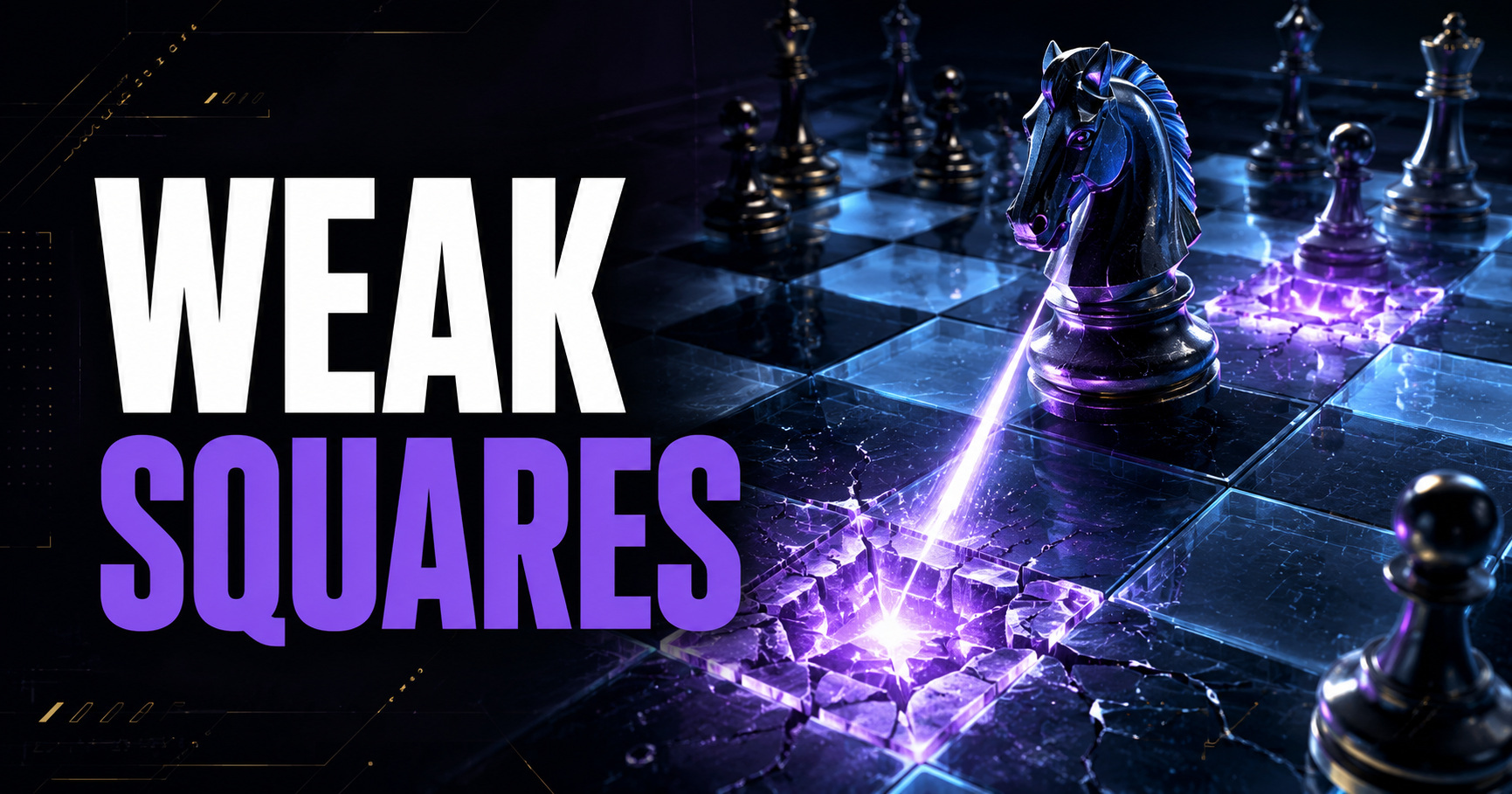
Weak squares in chess are not merely empty squares. They are squares that cannot be challenged easily—especially by pawns—and can become lasting outposts, entry points, or anchors for an attack. A weak square matters only when you can use it. …
Hanging pawns in chess are two connected pawns—usually on the c- and d-files—with no neighboring pawns to support them. They control useful central squares and provide space, but they can become fixed targets if the opponent blockades them. Treat the …
The isolated queen’s pawn is a strategic contradiction: it cannot be protected by another pawn, yet it grants space, open lines, central control, and active piece play. Its value depends on timing. With pieces on the board it can support …
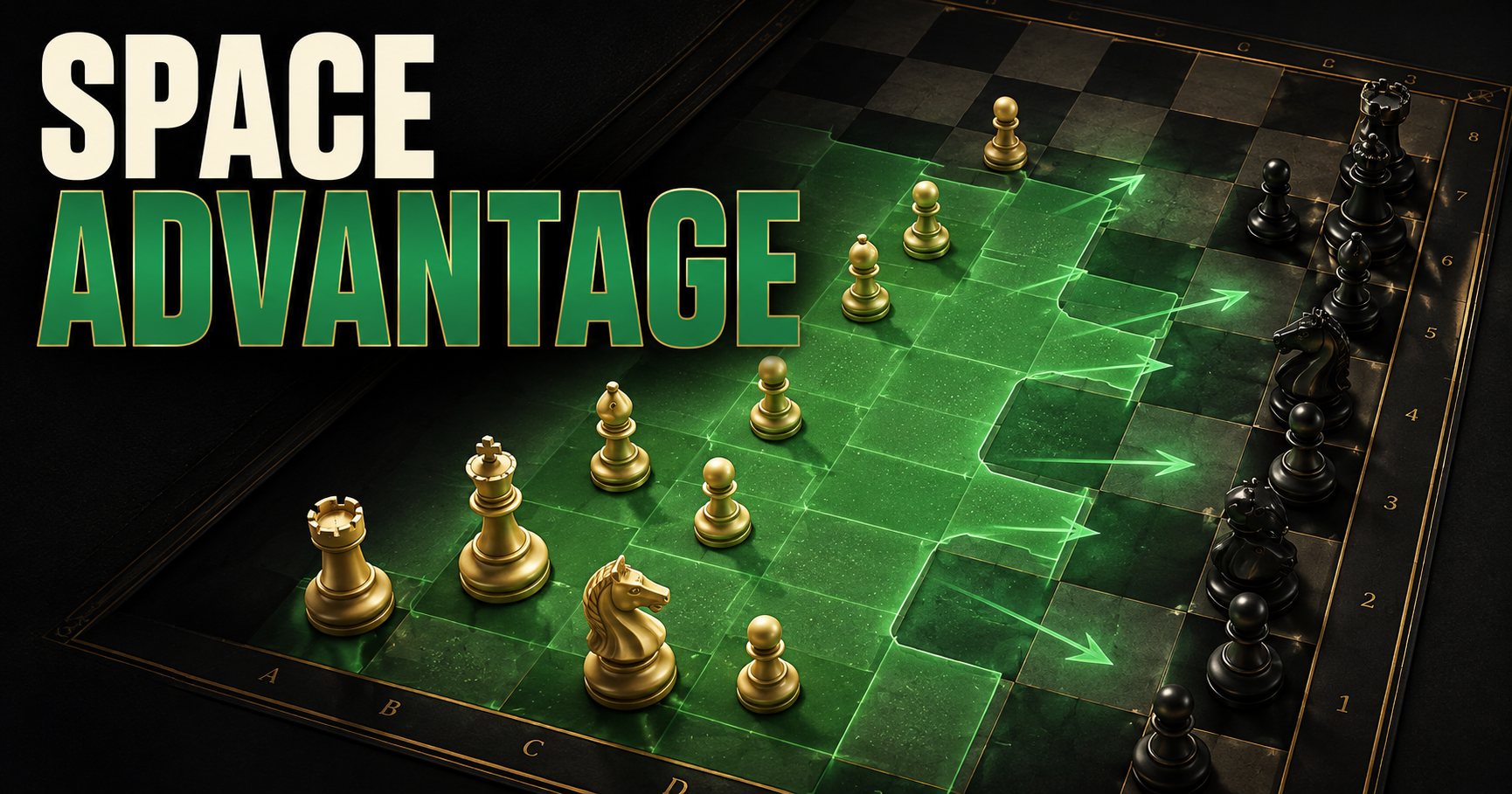
A space advantage in chess gives your pieces more useful squares while restricting the opponent’s room to maneuver. The extra territory is valuable, but it is potential—not a result. If you rush, overextend, or ignore a freeing pawn break, the …
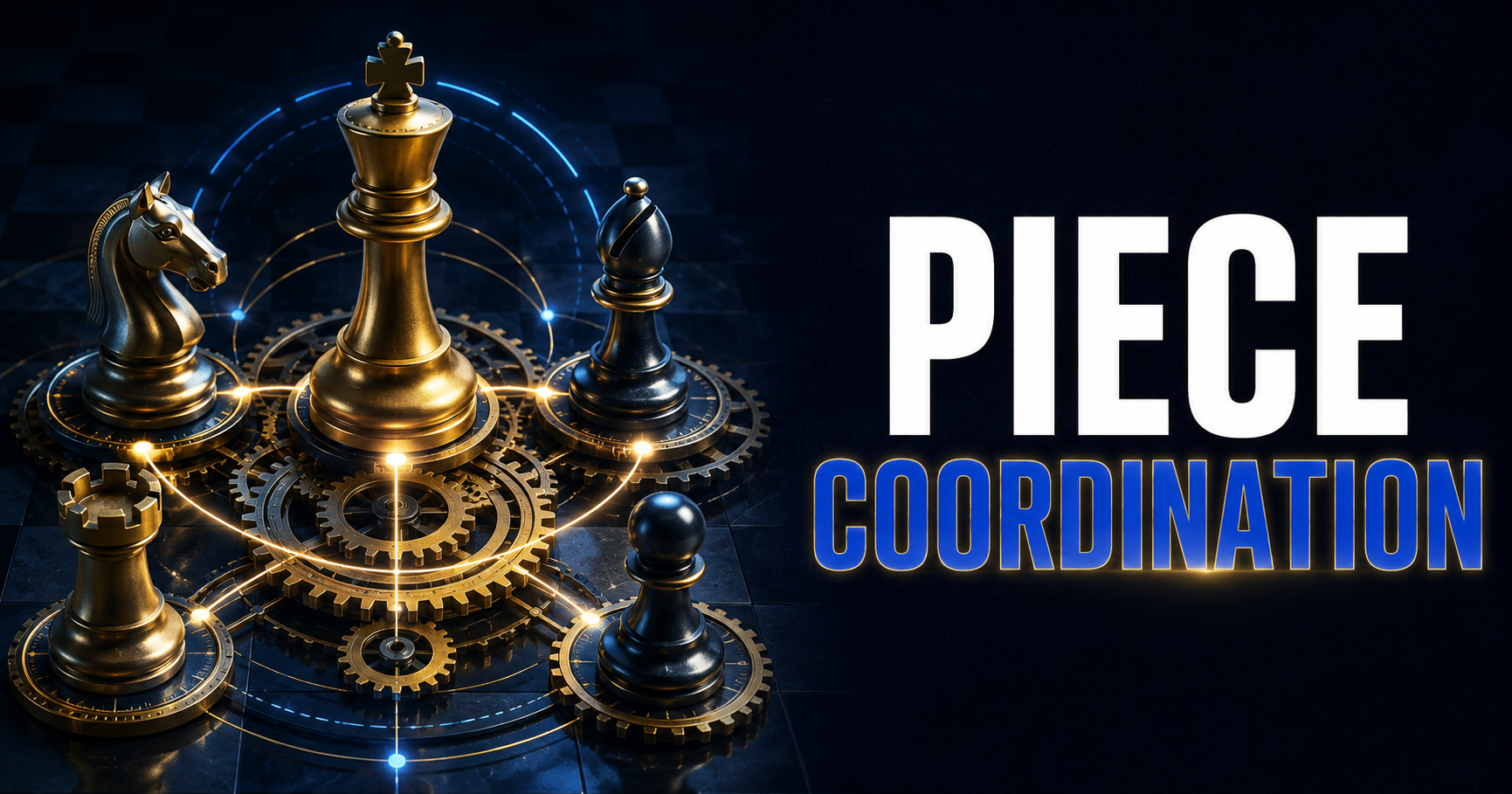
Piece coordination in chess means turning separate pieces into one working army. A knight, bishop, rook, and queen may each look active, yet achieve little if they attack different targets, block one another, or leave a key defender overloaded. Good …
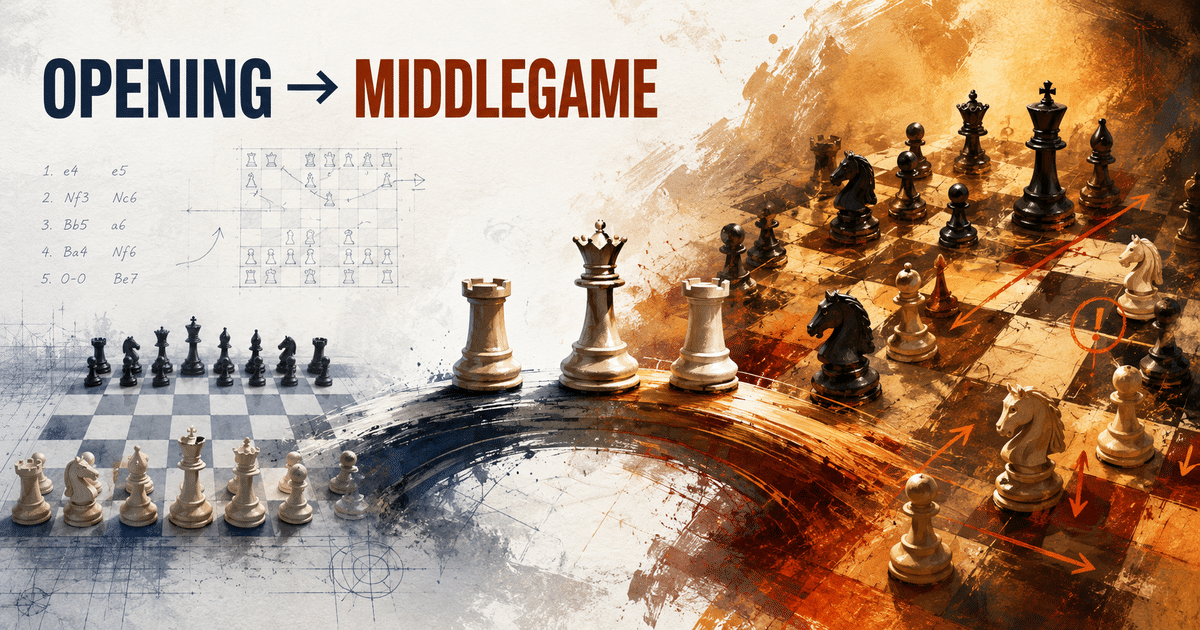
The opening to middlegame transition often feels uncomfortable because many players know their opening moves but feel lost when the memorized line ends. The position is playable, yet no obvious instruction remains. 🧭 The transition from opening to middlegame is …
Open files are highways for rooks and queens. When no pawns remain on a file, heavy pieces can penetrate, attack weaknesses, and switch rapidly between ranks. ♜ Controlling an open file is valuable—but only when it leads somewhere useful. Many …