👑 How To Choose Which Side To Castle In Chess depends on pawn shelter, open lines, and the direction of each side’s attack. Castling quickly is often good, but castling into an existing pawn storm can be worse than keeping …
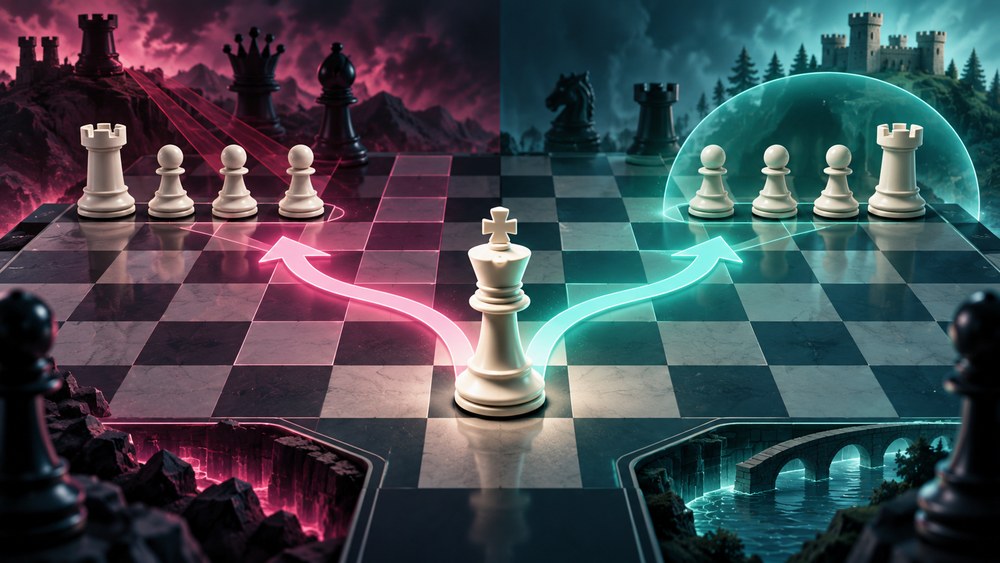

👑 How To Choose Which Side To Castle In Chess depends on pawn shelter, open lines, and the direction of each side’s attack. Castling quickly is often good, but castling into an existing pawn storm can be worse than keeping …
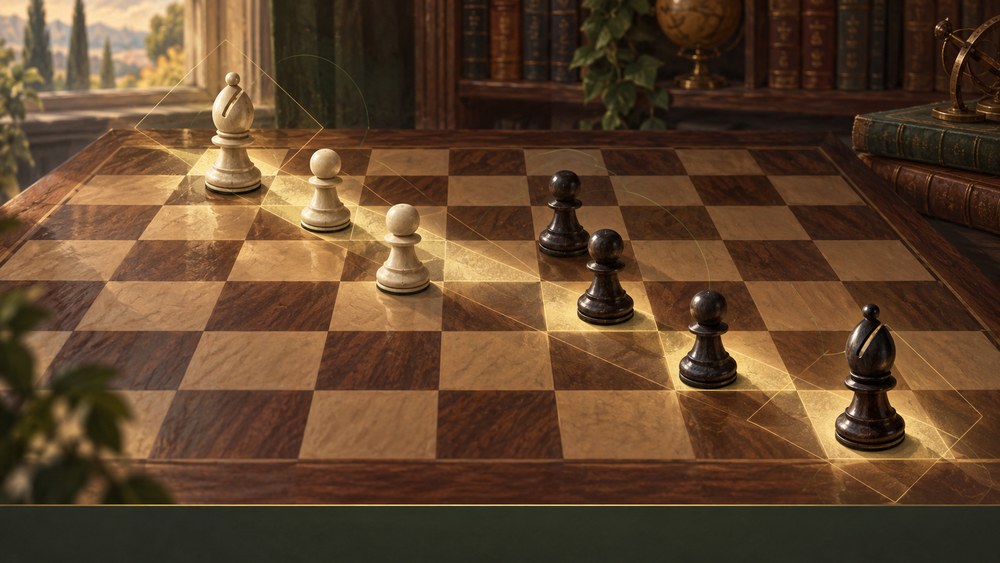
♗ How To Play Same-Colored Bishop Endgames depends on king activity, pawn placement, and control of a single color complex. Unlike opposite-colored bishop endings, an extra pawn is often meaningful because both bishops can directly fight over the same key …
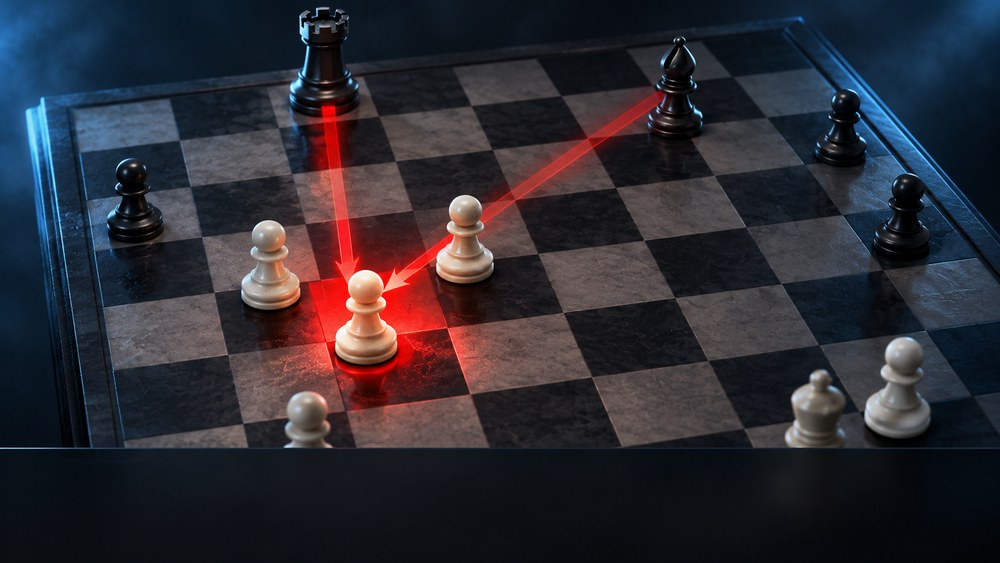
♟️ How To Play Positions With A Backward Pawn requires separating a static weakness from a dynamic opportunity. A backward pawn can be difficult to advance and may sit on an open file, but it can also support useful squares …
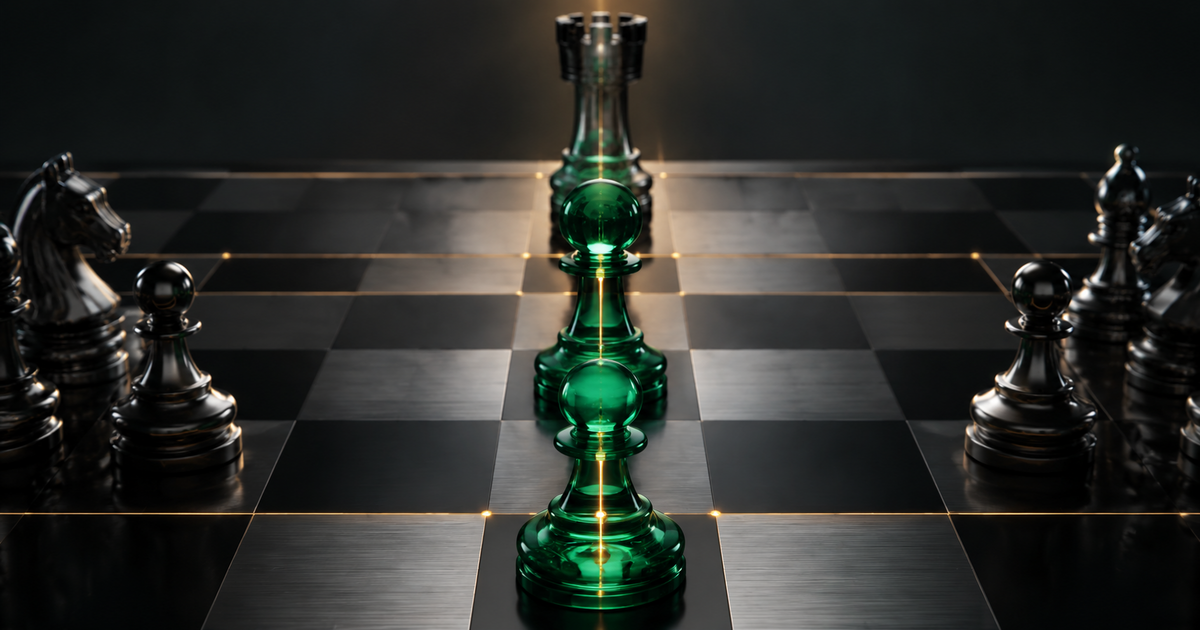
Doubled pawns are often described as a weakness, but that label is incomplete. They may control important squares, open files, support central space, or provide a useful pawn break. ♟️ Their value depends on mobility and piece activity, not their …
A bad bishop in chess is usually restricted by its own pawns, especially when those pawns sit on the same color as the bishop. 🐘 The label sounds final, but the piece may still defend key squares, support a pawn …
A pawn break in chess is the moment a quiet structure changes its character. 🔨 One pawn move can open a file, activate a bishop, create a passed pawn, or expose a king. Because pawns cannot move backward, the timing …
Hanging pawns in chess are two connected pawns—usually on the c- and d-files—with no neighboring pawns to support them. 🪢 They can control important squares and give you space, but they can also become fixed targets. Think of hanging pawns …
The isolated queen’s pawn is one of chess’s most fascinating contradictions: it is a weakness and an attacking engine at the same time. ⚡ It cannot be protected by another pawn, yet it gives space, open lines, and active squares. …
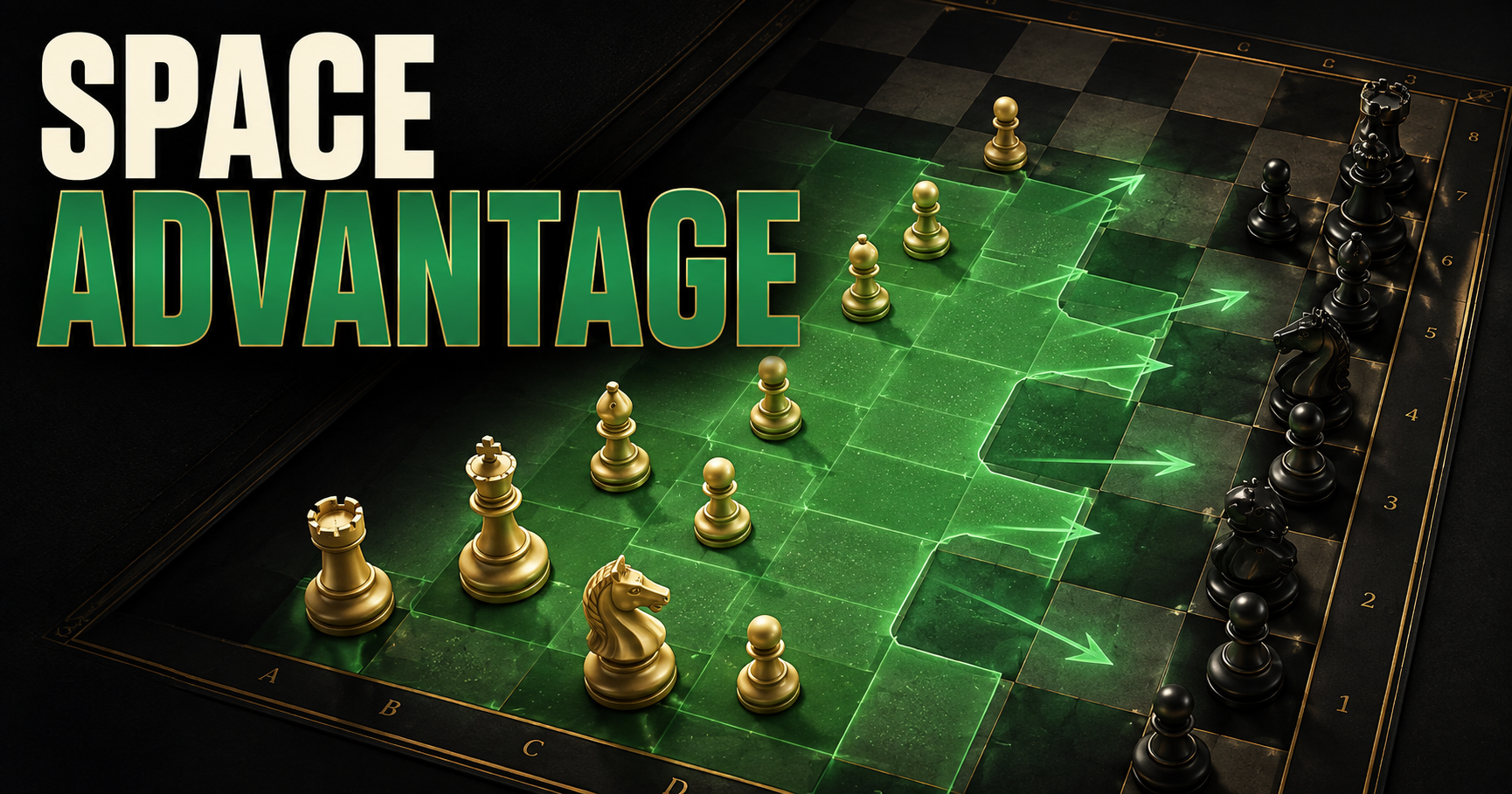
A space advantage in chess gives your pieces more room and leaves the opponent fewer comfortable squares. 🗺️ It can make a position feel easy—but space is potential, not a result. If you do nothing with it, the opponent may …
Not a member yet? Register now
Are you a member? Login now