An impulsive move is played before the position has received the amount of attention it deserves. It may be the first move that looks natural, a reflex recapture, or an attractive attack chosen before the opponent’s resources are checked. ⚡ …

An impulsive move is played before the position has received the amount of attention it deserves. It may be the first move that looks natural, a reflex recapture, or an attractive attack chosen before the opponent’s resources are checked. ⚡ …
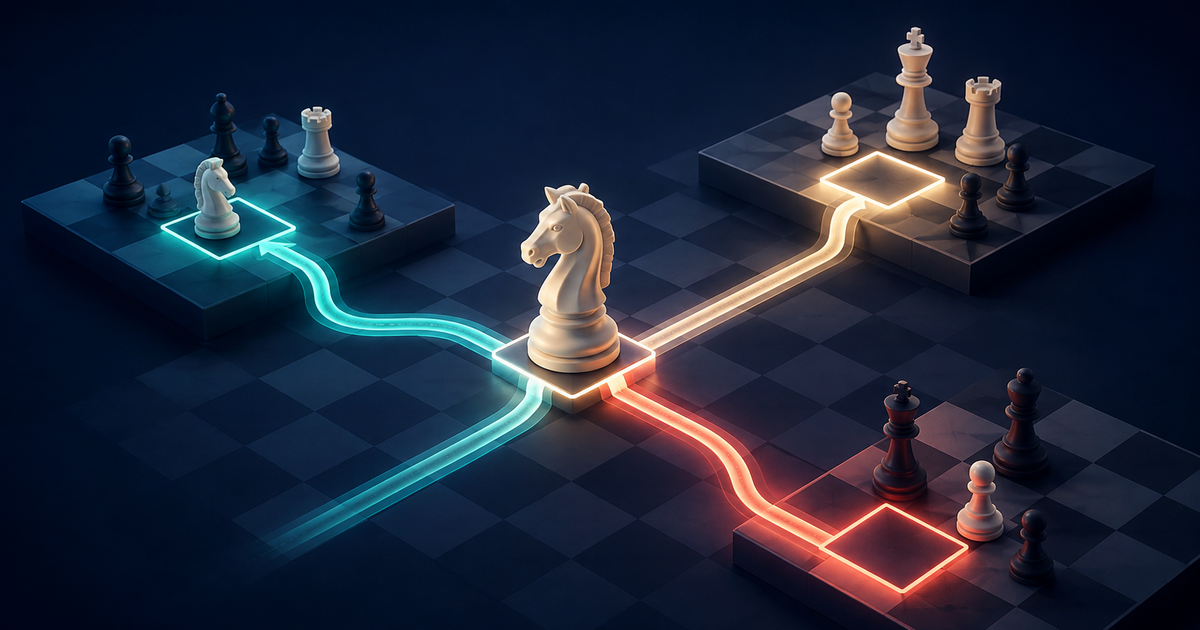
Strong chess decision-making is not the ability to calculate everything. It is the ability to spend attention on the right features, compare realistic choices, and commit without guessing. 🧠 A reliable process protects you when the position is unfamiliar or …
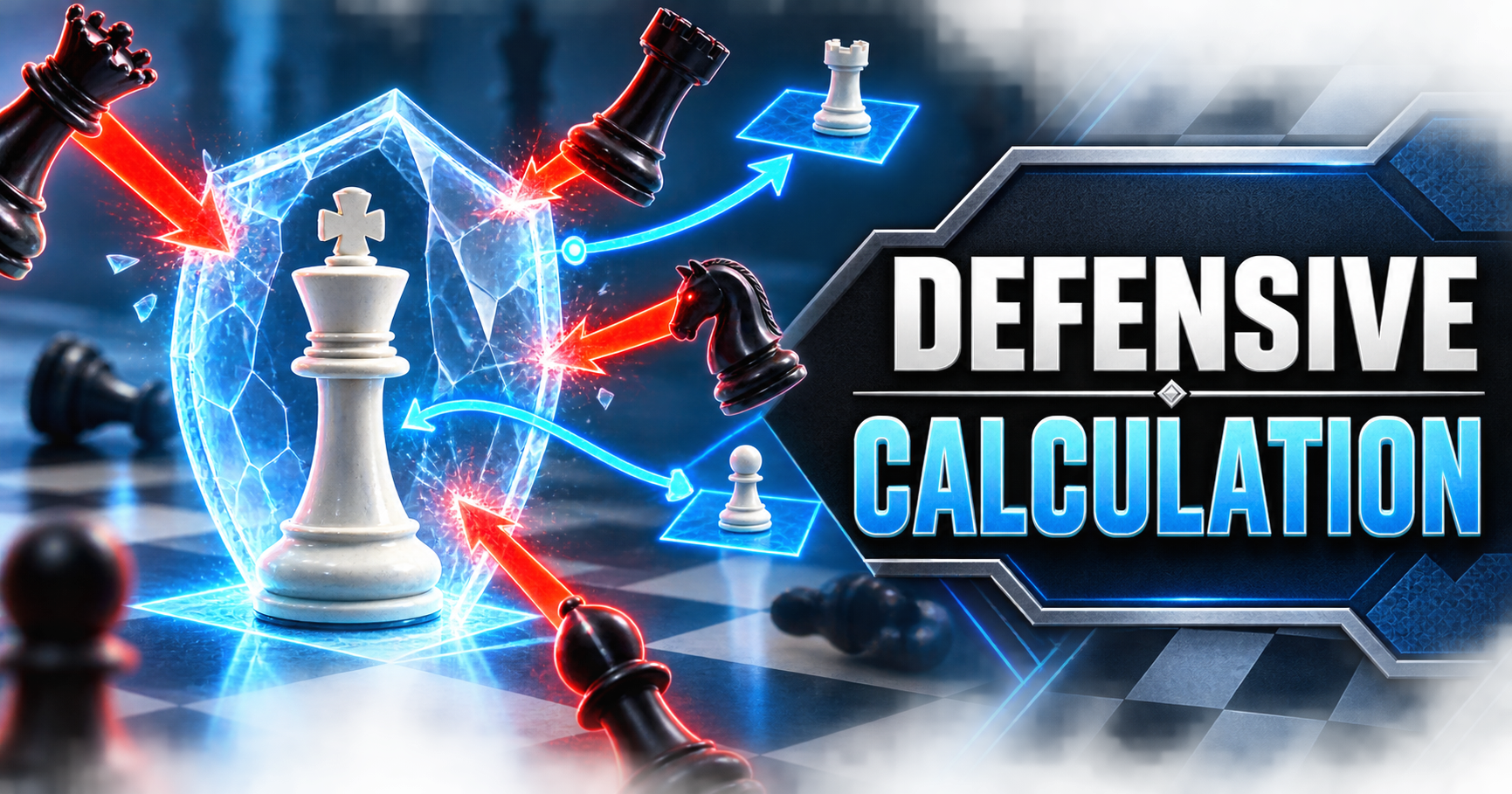
Defensive calculation in chess is not passive survival—it is the skill of finding the opponent’s real threat and choosing the reply that makes their task hardest. 🛡️ Strong defense often begins with one calm, accurate move. ⚡ Under pressure, players …

Opening surprises in chess are designed to pull you away from memory and into independent decision-making. 🎭 The unfamiliar move may be objectively harmless, yet psychologically dangerous because it makes you feel unprepared. The best response is not to refute …
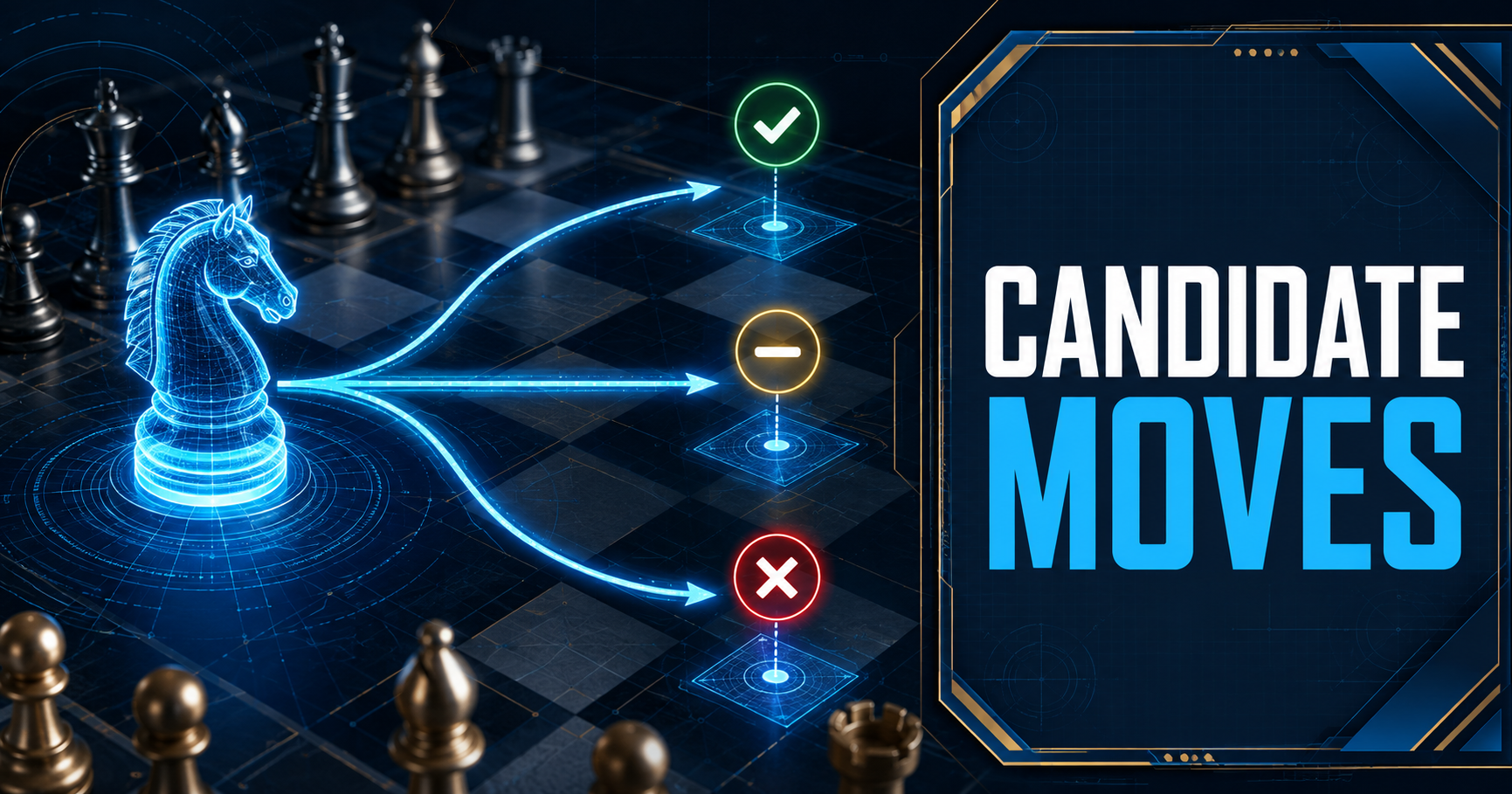
Candidate moves in chess are the small group of options you choose to investigate seriously. 🔍 If the right move never enters your shortlist, even perfect calculation cannot save the decision. Strong move selection is a filtering skill. You want …

Getting a winning position is only half the job. Converting it requires accuracy, patience, and emotional control—often when you already feel the point should be yours. 🏁 Many advantages disappear because the leading player relaxes, rushes, or searches for a …
Facing a much stronger chess player can make the board feel different before the first move. Their rating, title, or reputation may tempt you to become passive, force complications, or assume every move hides something brilliant. 💪 The best response …

A successful chess tournament begins before the first pairings are announced. Preparation shapes your confidence, energy, opening choices, and ability to recover after difficult rounds. 🏆 You cannot control every result, but you can arrive ready to make good decisions …

Good time management in chess is not about playing every move quickly. It is about spending your minutes where they have the greatest value. ⏱️ Strong practical players recognize critical positions, think deeply when a decision truly matters, and avoid …
Not a member yet? Register now
Are you a member? Login now