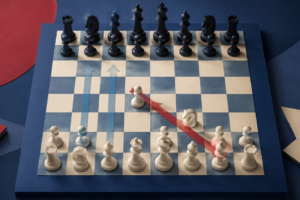

How To Handle Opening Surprises In Chess?
Opening surprises in chess are designed to pull you away from memory and into independent decision-making. 🎭 The unfamiliar move may be objectively harmless, yet psychologically dangerous because it makes you feel unprepared.
The best response is not to refute the move immediately. 🧭 It is to understand what changed, follow sound principles, and reach a playable position with enough time on the clock.
Pause Before Reacting
An unusual move creates an emotional urge to punish it. That reaction often leads to unnecessary risks or long calculations.
🧊 Take a breath and ask what the move attacks, defends, and leaves behind. Treat it as a chess move—not as an insult to your preparation.
Identify The Strategic Difference
Compare the surprise with the position you expected. Has the opponent delayed development, changed the pawn structure, prevented your main plan, or invited a transposition?
🔍 One small difference can change the correct setup. Avoid replaying memorized moves when the reason behind them no longer exists.
Return To Opening Principles
Develop pieces, control the center, protect the king, and avoid moving the same piece repeatedly without a concrete gain. Principles are your safety net when memory ends.
🏗️ A principled move may not be the engine’s first choice, but it usually produces a healthy position and limits the opponent’s surprise value.
Manage The Clock Deliberately
The surprise has already succeeded if you spend twenty minutes proving it is not best. Set a reasonable time budget and choose among two or three logical options.
⏱️ The Practical Advices During The Tournament course connects opening decisions with time management and competitive psychology.
Do Not Chase A Refutation That Is Not There
Many sidelines are playable even if they are slightly inferior. Trying to force a punishment can create weaknesses and give the opponent exactly the tactical game they prepared.
⚠️ Choose a line that preserves your advantage without demanding perfection. A comfortable plus is often better than a sharp refutation you cannot remember.
Choose A Familiar Pawn Structure
When several moves are possible, prefer the one that leads to structures and plans you understand. Familiarity reduces calculation load and improves practical confidence.
🧱 The Master Chess Strategy course helps recognize recurring structures even when the opening move order is unfamiliar.
Calculate The Immediate Tactics
Unusual opening moves may contain a trap, sacrifice, or tactical point. Check forcing moves for both sides before making a natural-looking response.
🧠 The Calculation & Evaluation Technique course builds the disciplined scan needed to avoid short tactical surprises.
Use Your Repertoire’s Core Ideas
A strong repertoire is more than memorized sequences. It includes preferred pawn structures, piece placements, breaks, and endgames.
📘 Courses such as 1.e4 For White teach a connected system of ideas, making deviations easier to handle.
Turn The Surprise Into Future Preparation
After the game, save the position and investigate the move. Identify one reliable response, the strategic idea, and any tactical traps.
🗂️ Add the conclusion to a small surprise file. Over time, the moves that once caused stress become useful additions to your preparation.
An Opening-Surprise Checklist
- What does the unusual move change?
- Is there an immediate tactical threat?
- Which opening principle is most urgent?
- Can I reach a familiar pawn structure?
- How much time can I reasonably spend?
- Am I trying to refute a playable move?
- What note should I add after the game?
📋 The checklist replaces panic with a process. Even without exact theory, you can make a strong practical decision.
How To Train For Opening Surprises
Ask a training partner to choose sidelines without telling you which ones. Play the positions from move five or six and focus on building a sound setup.
🧪 During repertoire study, stop after every opponent deviation and explain the position in words. If you know the plans, the unfamiliar move will feel much less unfamiliar.
Final Thoughts
To handle opening surprises in chess, stay calm, identify the change, follow principles, manage the clock, and choose a structure you understand.
✨ Preparation is not the ability to remember everything. It is the ability to think clearly when memory ends.

You may also like

How To Choose Which Side To Castle In Chess?
How To Learn A Chess Opening Through Model Games?