
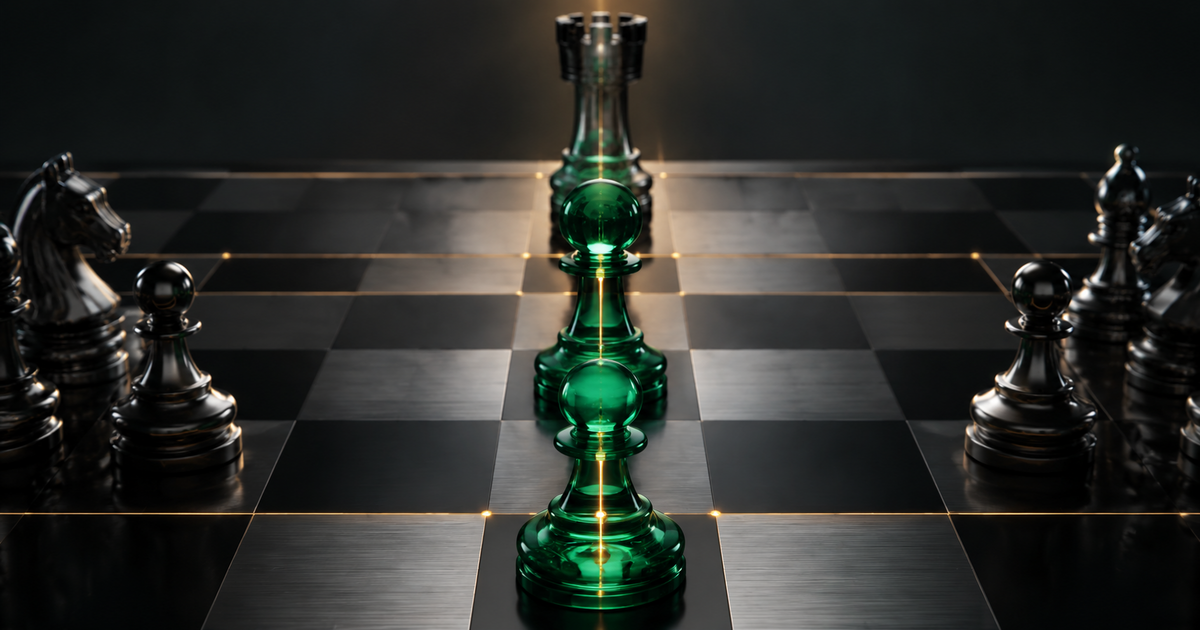
How To Play With Doubled Pawns In Chess?
Doubled pawns are often described as a weakness, but that label is incomplete. They may control important squares, open files, support central space, or provide a useful pawn break. ♟️ Their value depends on mobility and piece activity, not their shape alone.
A good plan begins by asking what the doubled pawns give you in exchange for their long-term vulnerability. ⚖️ If you use the dynamic benefits early, the structural defect may never become important.
Identify How The Pawns Became Doubled
Doubled pawns created by capturing toward the center may open a rook file and strengthen central control. Doubled pawns forced by an unfavorable exchange may be isolated and difficult to defend. The history of the structure often explains its strategic purpose.
🔍 Note which file opened and which squares gained protection. Those benefits should guide the placement of your pieces.
Use The Open File Immediately
When a capture doubles your pawns, it frequently opens an adjacent file for a rook. Occupy that file before the opponent can challenge it, especially if it leads toward a backward pawn or the enemy king.
♜ The open file can be worth more than the damaged structure. Activity is the compensation, so delaying development wastes the point of accepting the pawns.
Treat The Front Pawn As A Space Gainer
The front doubled pawn can advance to restrict pieces, attack a base pawn, or clear a square for the pawn behind it. It is often more expendable than a normal pawn because its movement can repair the structure.
🚀 Calculate the advance as a pawn break rather than trying to defend the pawn forever. If the opponent must spend time winning it, your pieces may gain useful tempos.
Protect The Base With Pieces, Not More Pawns
The rear doubled pawn is usually the long-term target. Defend it with a rook, king, or minor piece while using neighboring pawns for active breaks. Moving another pawn beside it may create a larger collection of weaknesses.
🛡️ Aim for economical defense: one piece should protect the weakness while also serving another function.
Avoid Unnecessary Simplification
Doubled pawns often become weaker as pieces leave the board because the opponent’s king can approach them. If your compensation is activity, exchanging active pieces may remove the very reason the structure is acceptable.
🔄 Trade when the resulting endgame repairs the pawns, creates a passed pawn, or gives your king clear activity—not simply because an exchange is available.
Create A Useful Pawn Break
Doubled pawns can support a neighboring break twice. One pawn may recapture after an exchange while the other preserves control of a central square. This can produce surprising central stability.
💥 Look for breaks that open lines for your pieces and make one doubled pawn disappear through exchange. Structural transformation is often the best solution.
Know The Dangerous Versions
Doubled isolated pawns on an open file, especially in an endgame, can be genuine liabilities. They cannot protect each other, and the rear pawn may have no safe advance.
⚠️ In those cases, seek counterplay before the opponent doubles rooks or activates the king. Passive defense usually allows the weakness to become permanent.
The Compensation Map
Take five positions with doubled pawns and write a two-column evaluation before checking the moves.
- List every structural drawback: isolation, immobility, weak squares, and endgame risk.
- List every benefit: open files, central control, space, bishop pair, and development.
- Choose the most urgent dynamic benefit to use.
- Find one pawn advance that could transform the structure.
- Decide which exchange would help and which exchange would hurt.
🗺️ This prevents the visual defect from dominating your evaluation before you consider compensation.
Quick Checklist
- Which file opened when the pawns doubled?
- Can the front pawn gain space or be exchanged?
- Is the rear pawn an accessible target?
- Does simplification favor the opponent’s king?
- What active feature compensates for the structure?
Common Mistakes
Many players defend doubled pawns as if losing either pawn were automatically disastrous. This can tie every piece to a weakness worth only one pawn.
❌ Another error is accepting doubled pawns for activity and then playing slowly. If the structure gave you open lines or development, use them before the opponent consolidates.
Continue Your Training
For more work on pawn structures, open files, structural transformation, and piece placement, explore the Master Chess Strategy.
Final Thoughts
Doubled pawns are a strategic trade, not an automatic sentence. Use the open lines, central control, and transforming pawn advances they provide while preventing the rear pawn from becoming a passive endgame target.
🌟 Evaluate what the structure does for your pieces. When activity and timing are on your side, doubled pawns can become an asset rather than a weakness.

You may also like

How to Study a Chess Course: 5 Easy Steps
How To Play Gambit Positions In Chess?