A pawn break in chess is a pawn move that challenges the existing structure and changes the position’s character. A well-timed break can open a file, activate a bishop, create a passed pawn, remove a defender, or expose a king. …
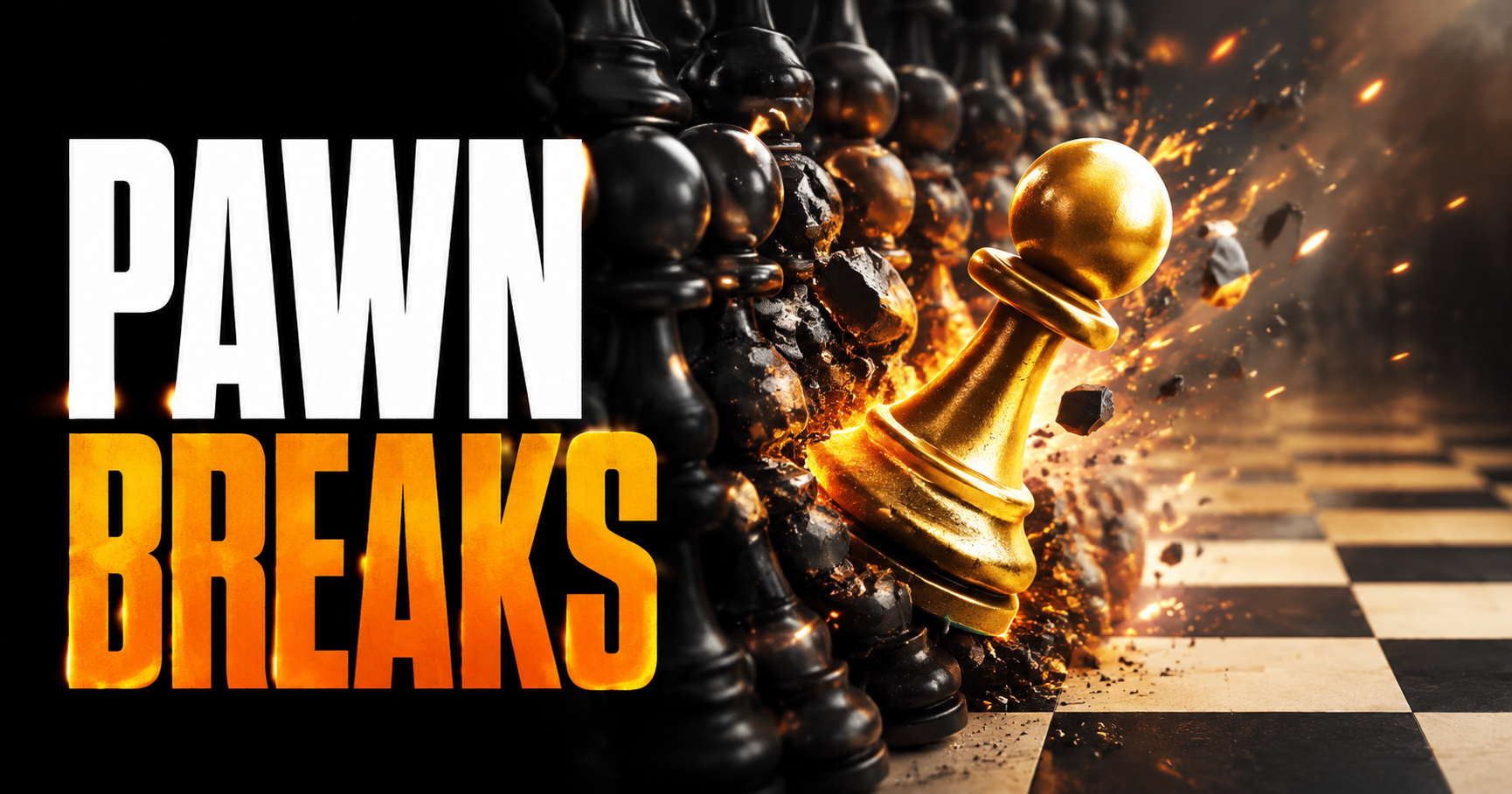

A pawn break in chess is a pawn move that challenges the existing structure and changes the position’s character. A well-timed break can open a file, activate a bishop, create a passed pawn, remove a defender, or expose a king. …
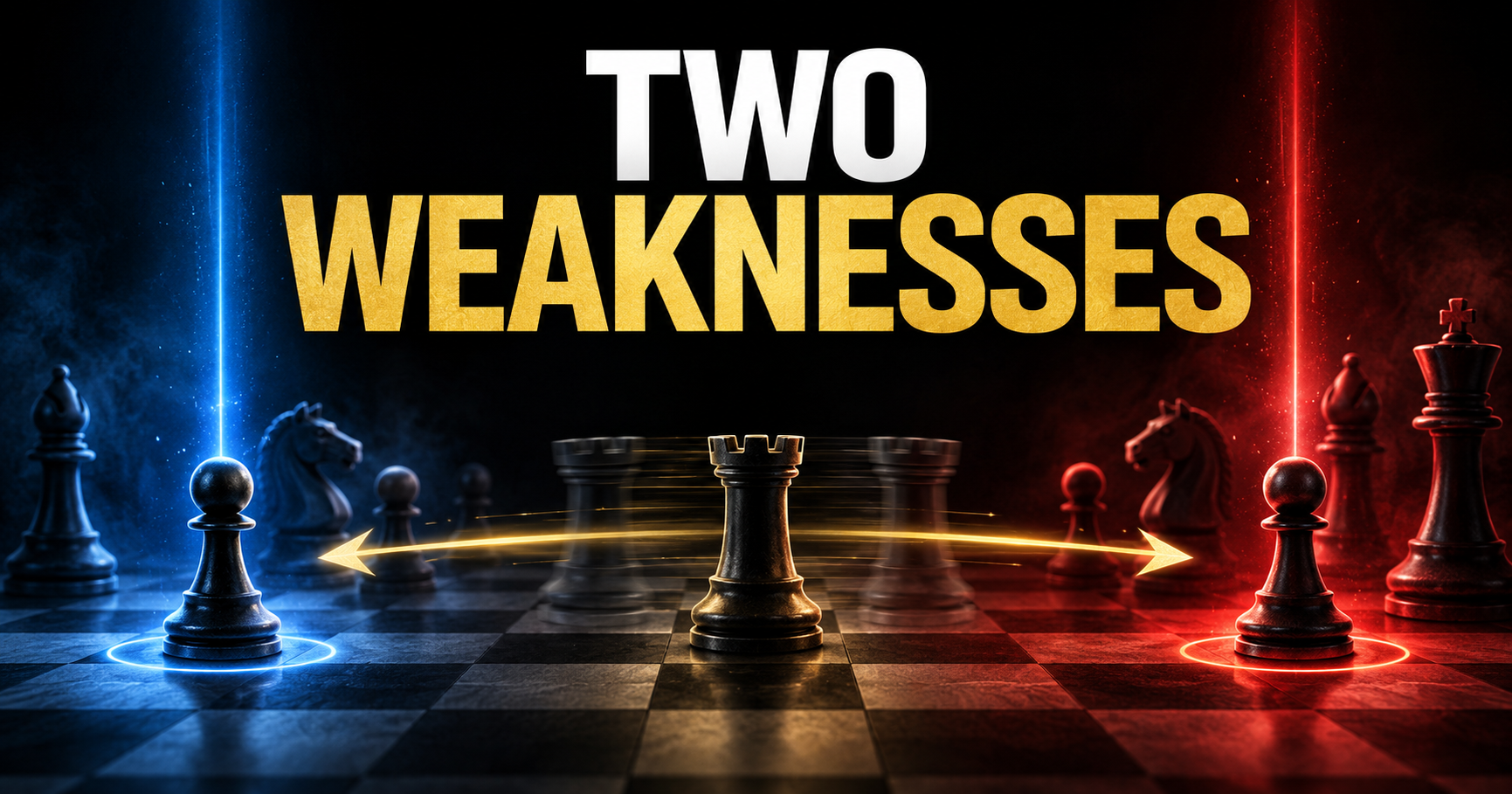
The principle of two weaknesses explains why one target is often not enough to win. A defender can organize every piece around a single weakness; a second, distant target forces that defensive setup to stretch. The technique requires patience and …
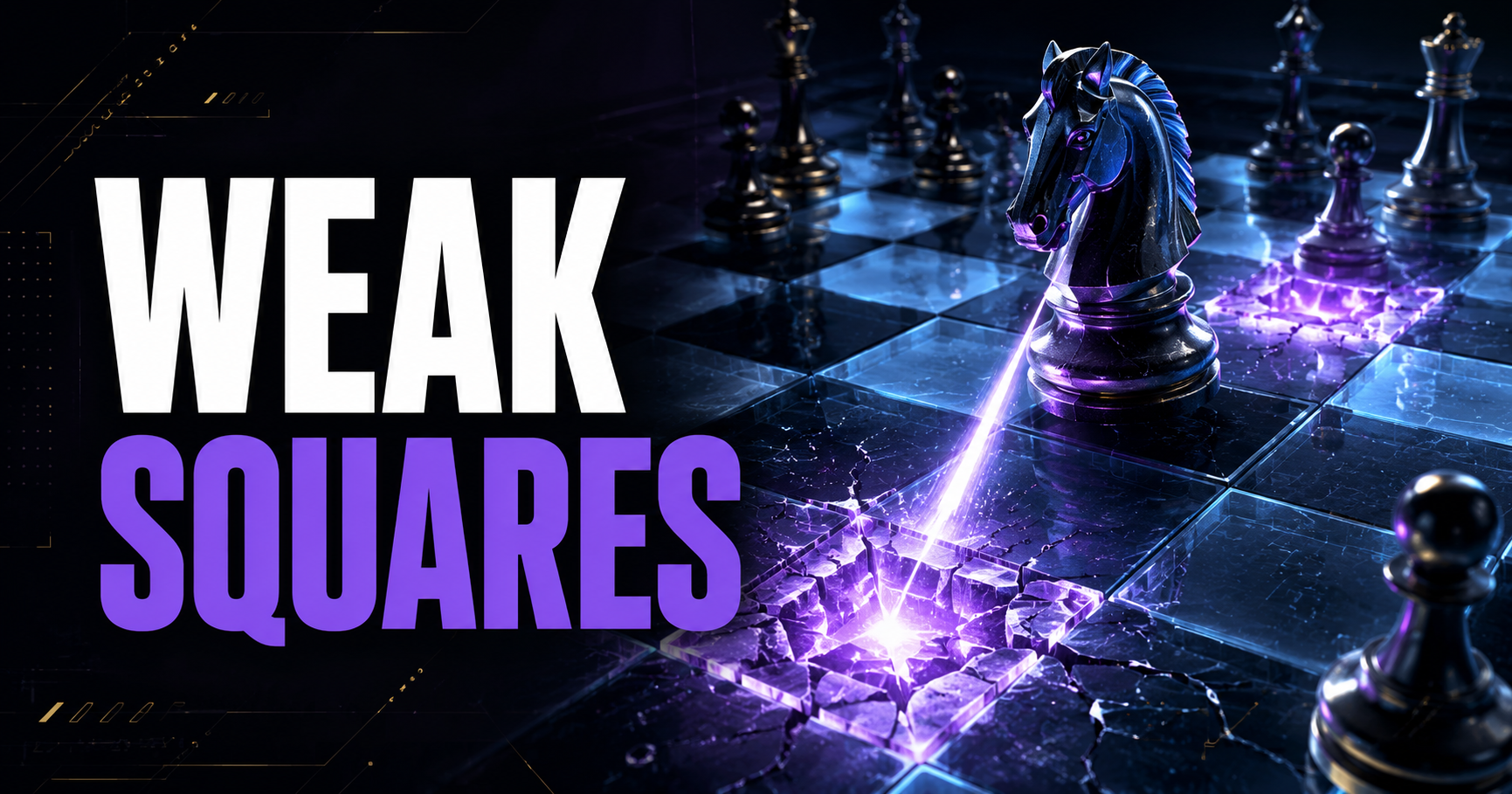
Weak squares in chess are not merely empty squares. They are squares that cannot be challenged easily—especially by pawns—and can become lasting outposts, entry points, or anchors for an attack. A weak square matters only when you can use it. …
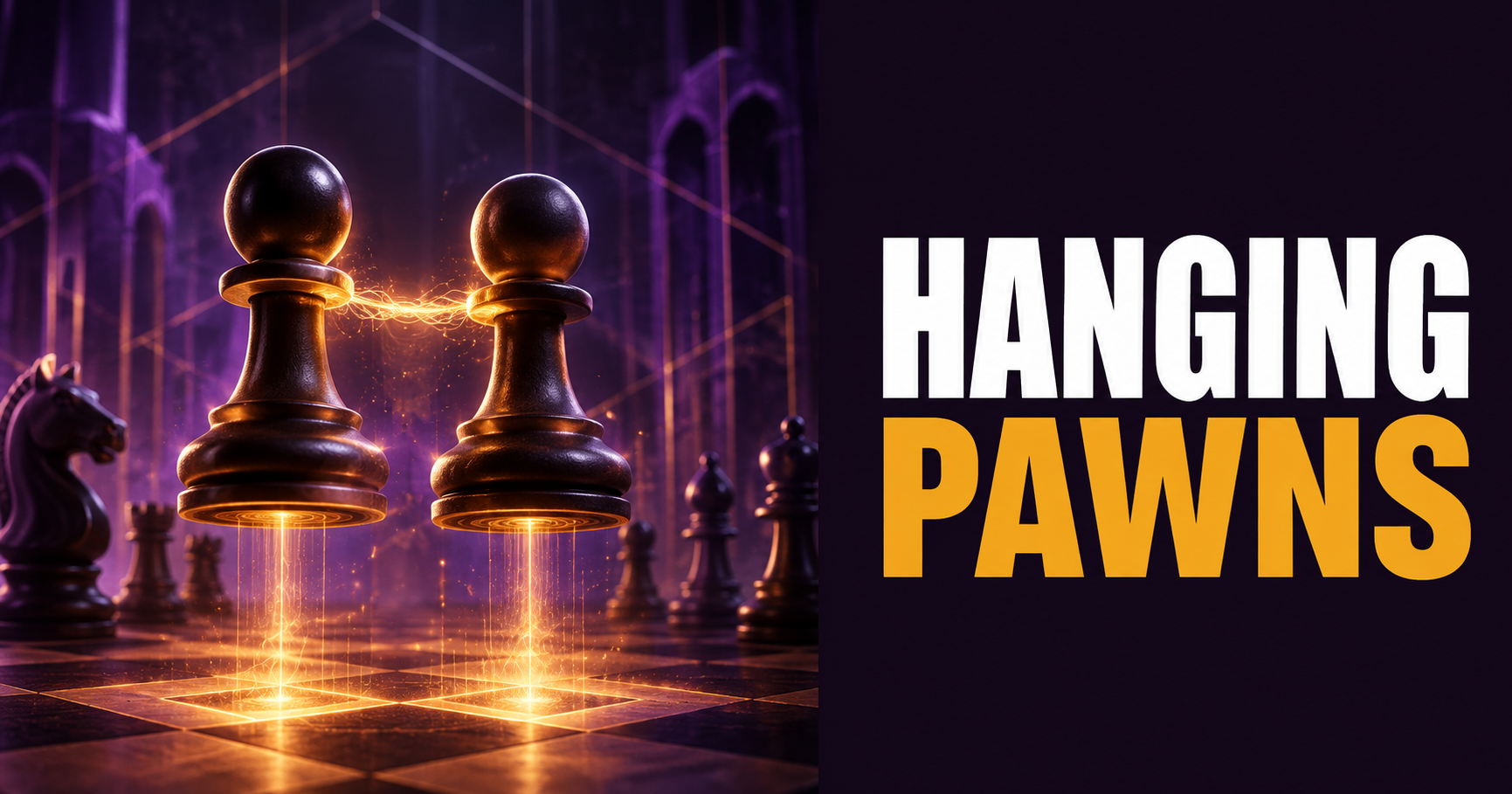
Hanging pawns in chess are two connected pawns—usually on the c- and d-files—with no neighboring pawns to support them. They control useful central squares and provide space, but they can become fixed targets if the opponent blockades them. Treat the …
The isolated queen’s pawn is a strategic contradiction: it cannot be protected by another pawn, yet it grants space, open lines, central control, and active piece play. Its value depends on timing. With pieces on the board it can support …
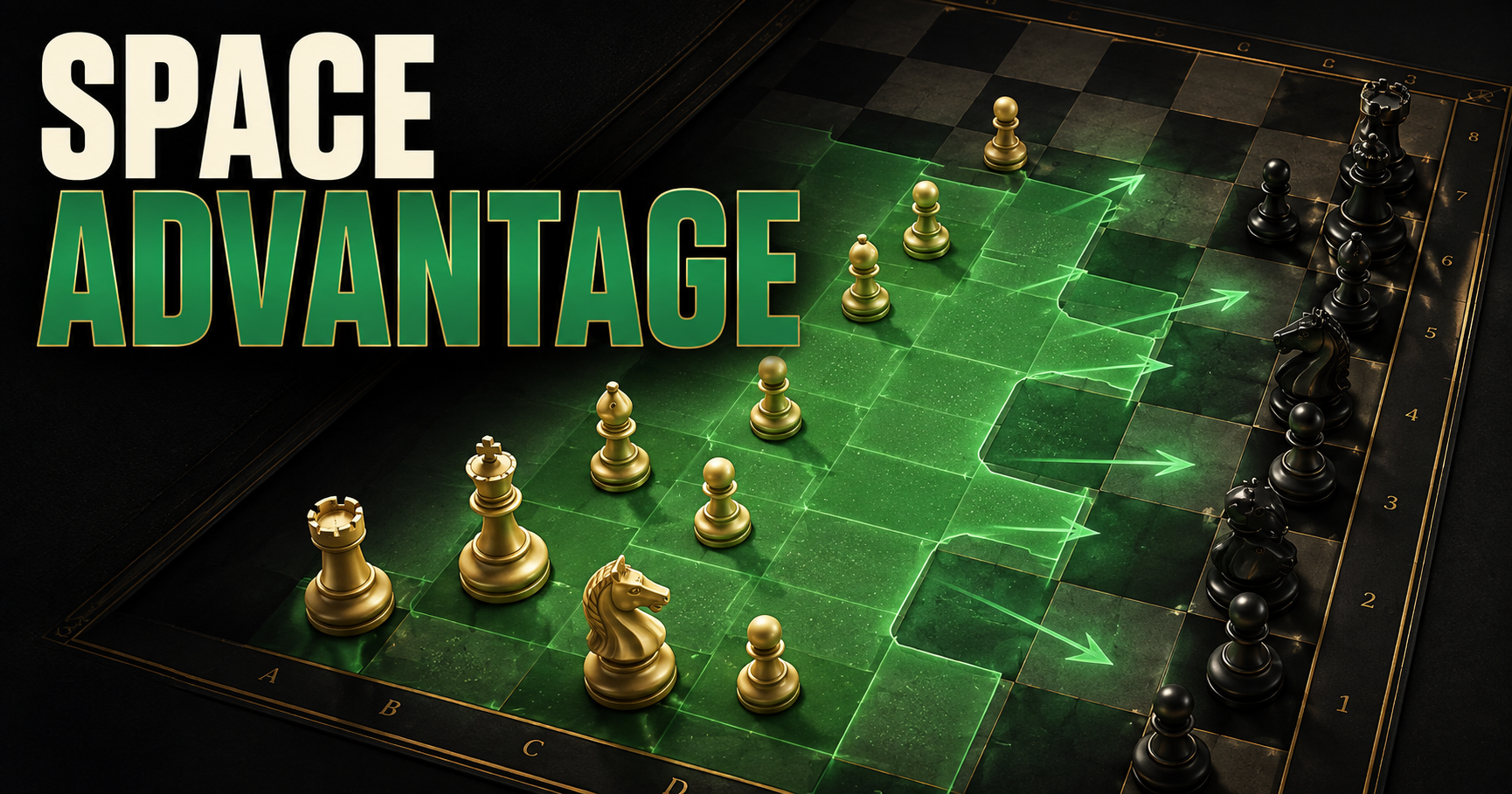
A space advantage in chess gives your pieces more useful squares while restricting the opponent’s room to maneuver. The extra territory is valuable, but it is potential—not a result. If you rush, overextend, or ignore a freeing pawn break, the …
Piece coordination in chess means turning separate pieces into one working army. A knight, bishop, rook, and queen may each look active, yet achieve little if they attack different targets, block one another, or leave a key defender overloaded. Good …

Which pieces to exchange in chess is a practical question, not a rule to memorize. Every trade changes the position’s geometry: open files may appear, weak squares may lose a defender, and the remaining pieces can become stronger or weaker. …
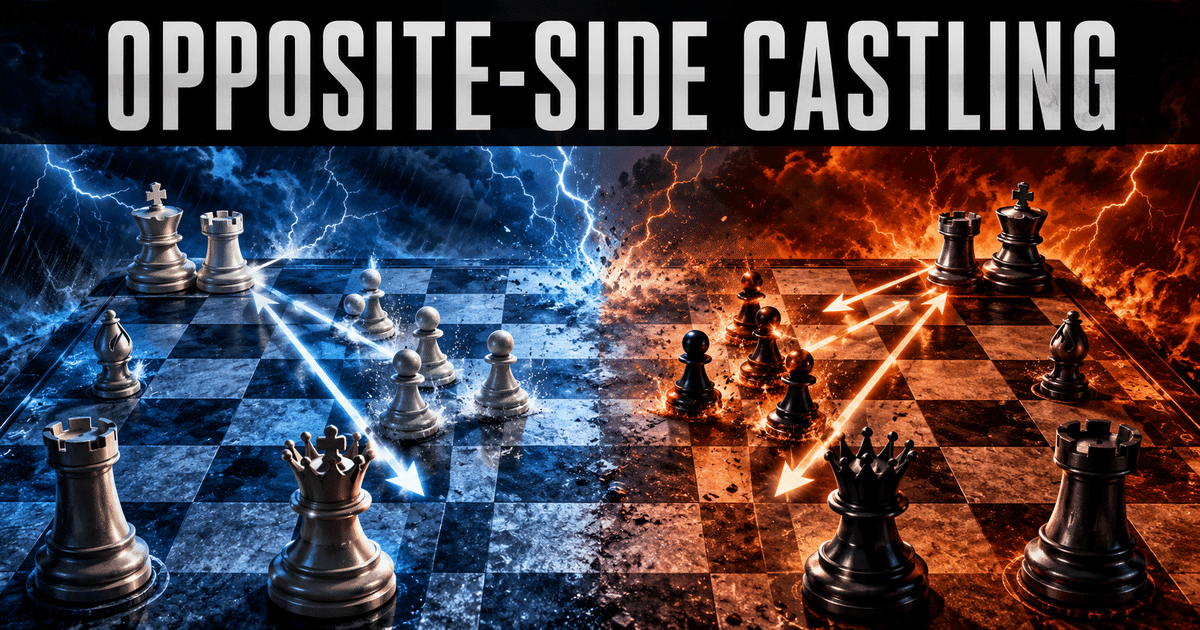
Opposite-side castling creates a direct strategic race: both kings sit on different wings, so each player can advance pawns toward the enemy king without weakening the same shelter. The position may look purely tactical, but the best attacks begin with …
Not a member yet? Register now
Are you a member? Login now