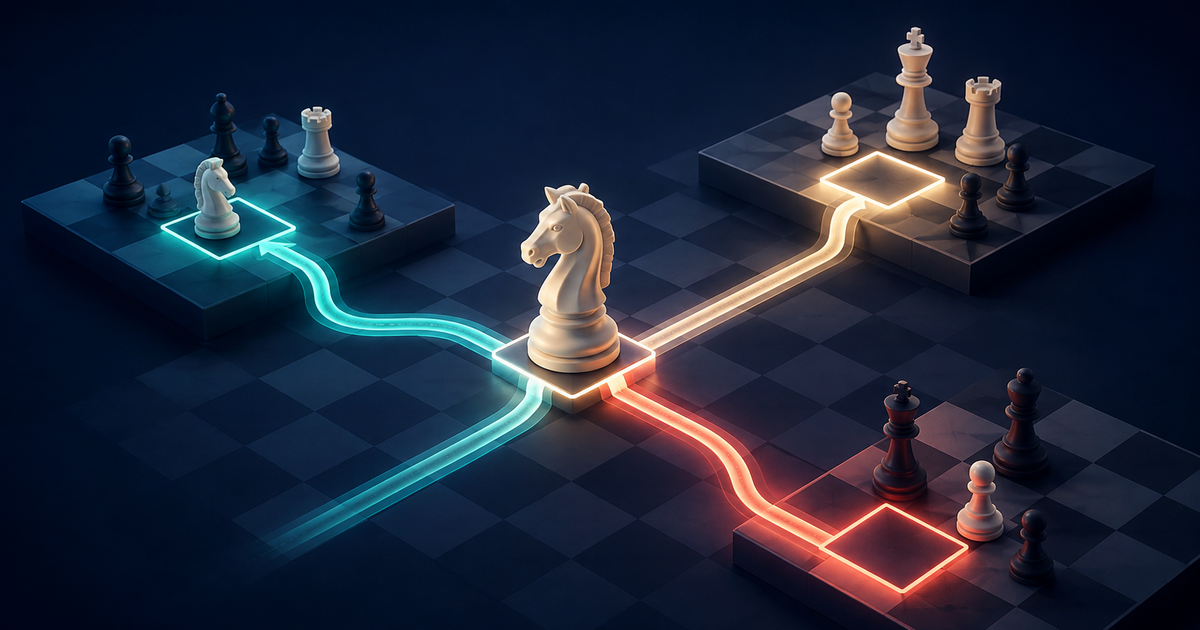
Strong chess decision-making is not the ability to calculate everything. It is the ability to spend attention on the right features, compare realistic choices, and commit without guessing. 🧠 A reliable process protects you when the position is unfamiliar or …
Opposite-colored bishops create two completely different kinds of chess. In an endgame they often increase the defender’s drawing chances, while in a middlegame they can make an attack almost impossible to stop. ♗ The difference is determined by the pieces …
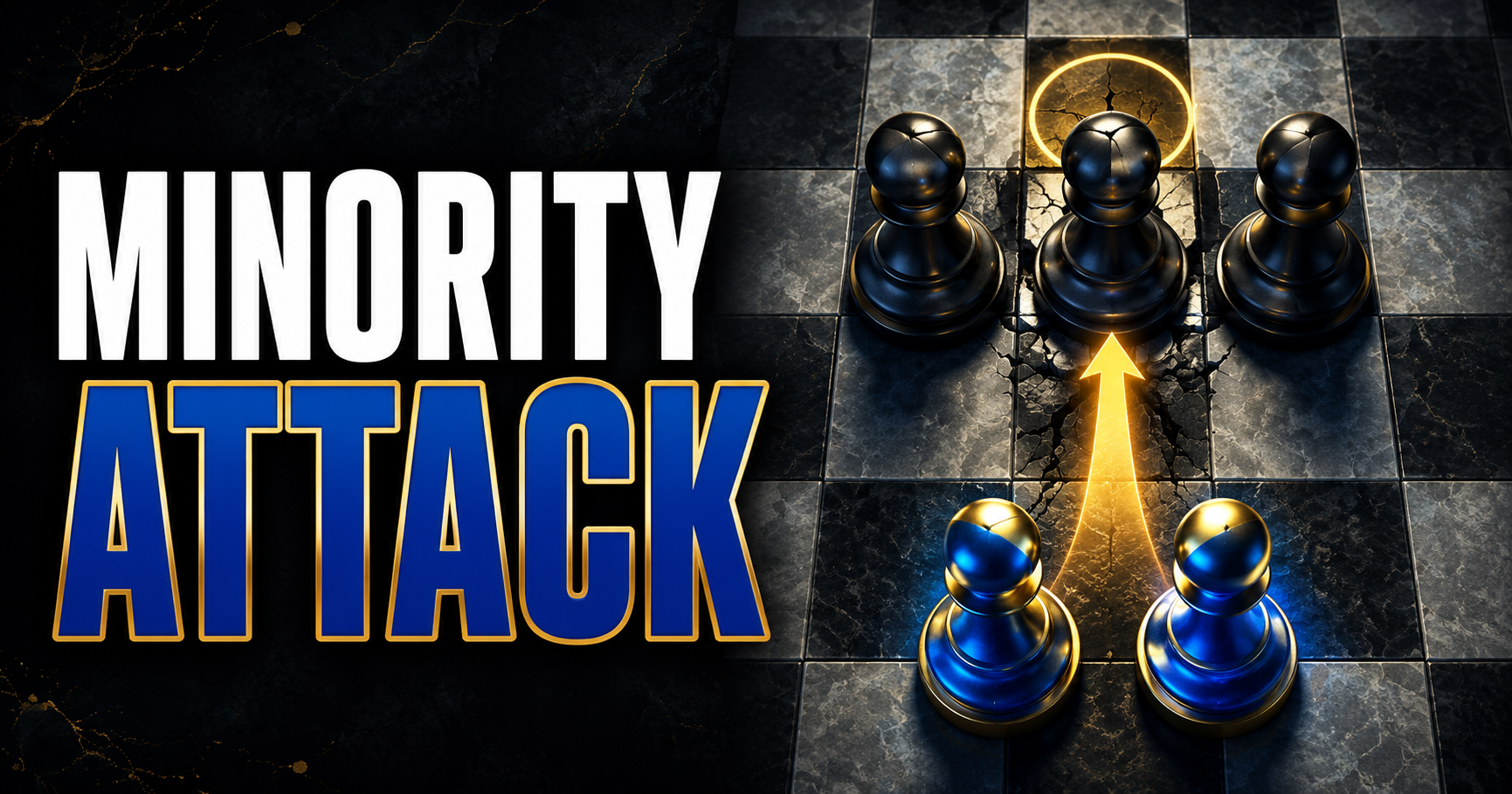
A minority attack in chess uses fewer pawns to challenge a larger pawn group, usually with the goal of creating a fixed weakness rather than winning material immediately. ♟️ It is one of the clearest examples of a long-term plan …
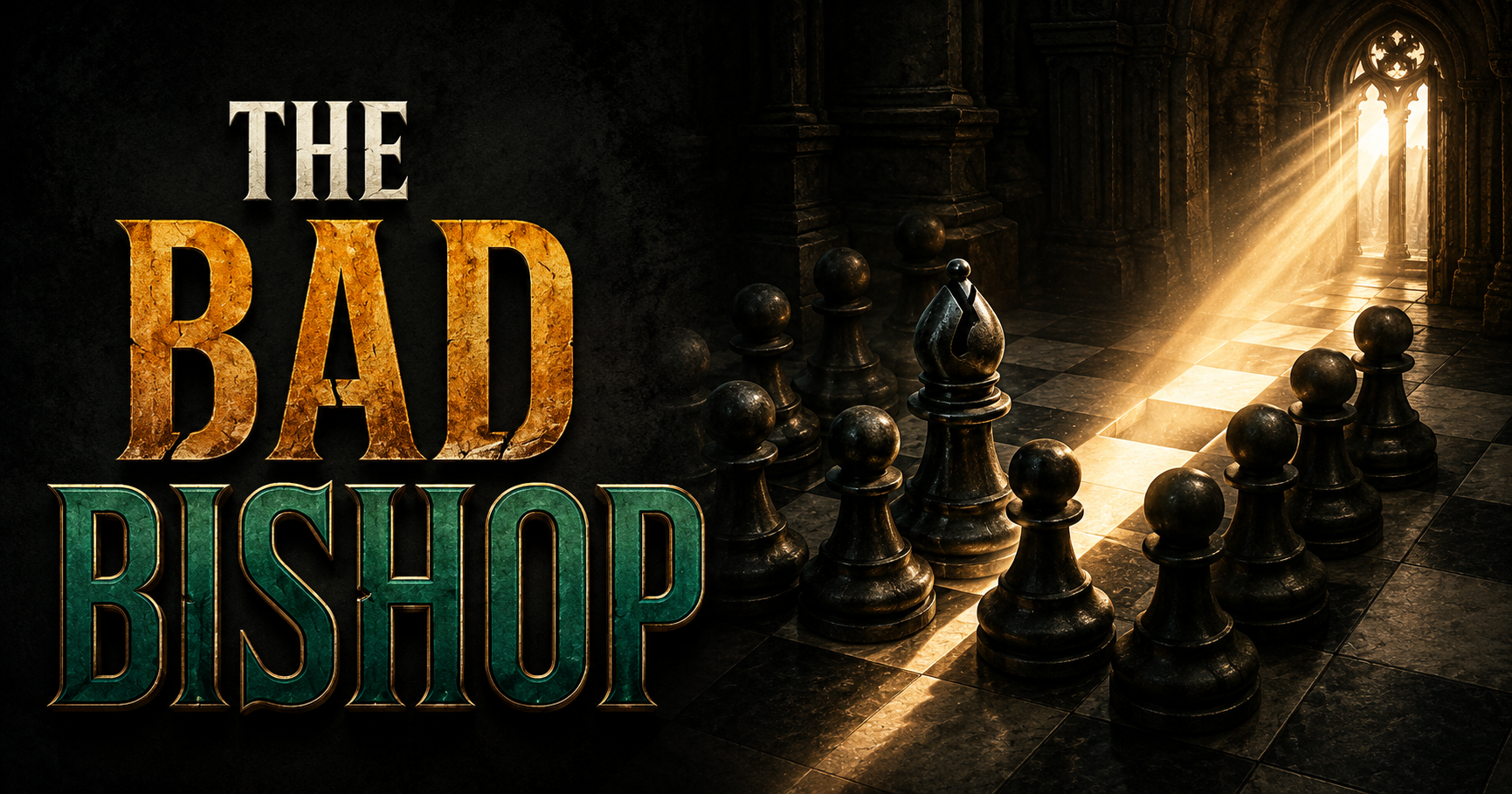
A bad bishop in chess is usually restricted by its own pawns, especially when those pawns sit on the same color as the bishop. 🐘 The label sounds final, but the piece may still defend key squares, support a pawn …
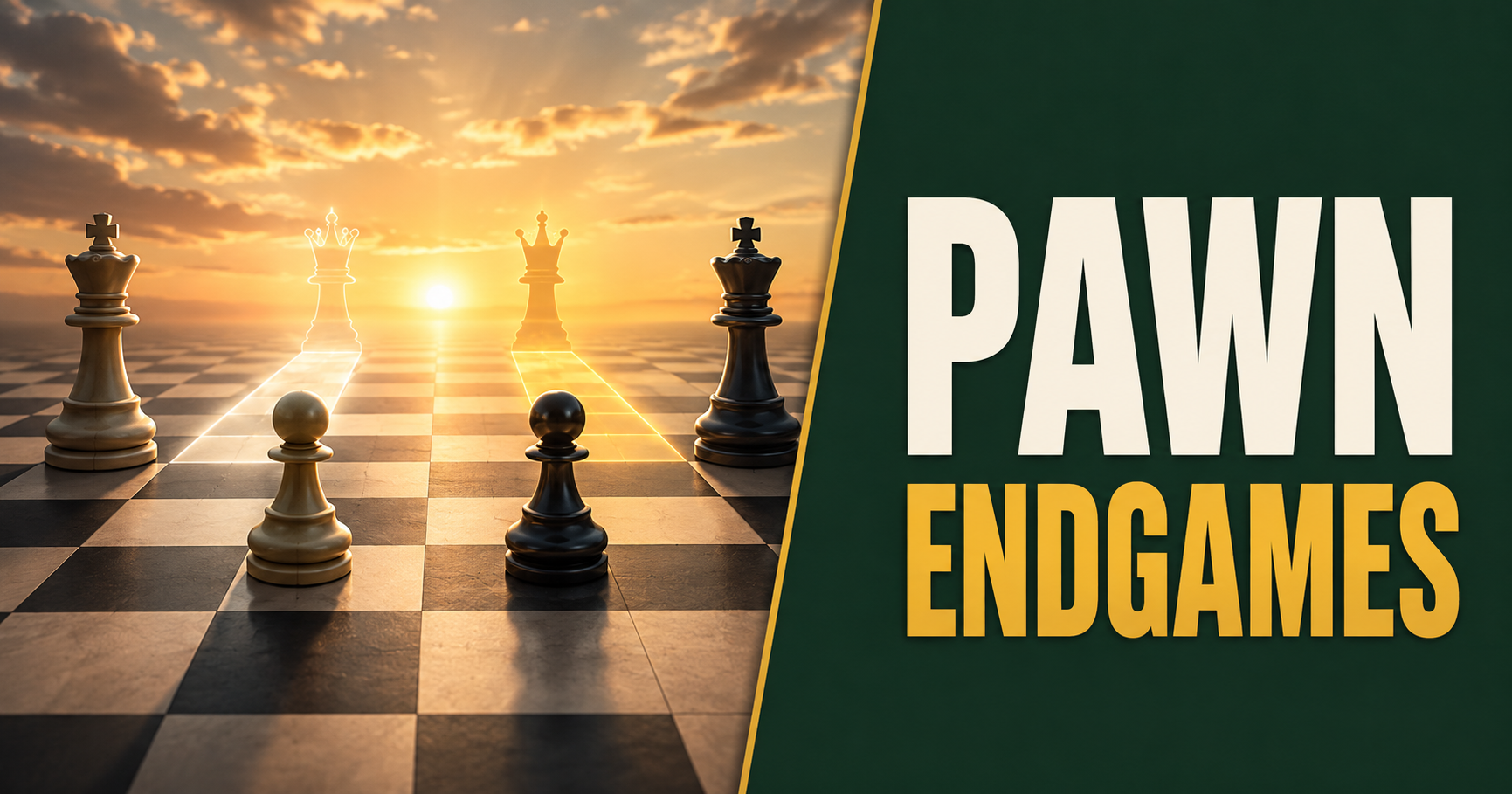
Pawn endgames are the laboratory of chess calculation. 🔬 With no queens or rooks to create distractions, every king move, pawn push, and spare tempo becomes visible—and irreversible. 📘 Studying pawn endgames effectively is not about memorizing hundreds of positions. …
Rook endgames appear constantly in practical chess, and tiny inaccuracies can change a win into a draw—or a draw into a loss. 🏰 Their apparent simplicity is deceptive because rook activity, king placement, and checking distance matter on every move. …
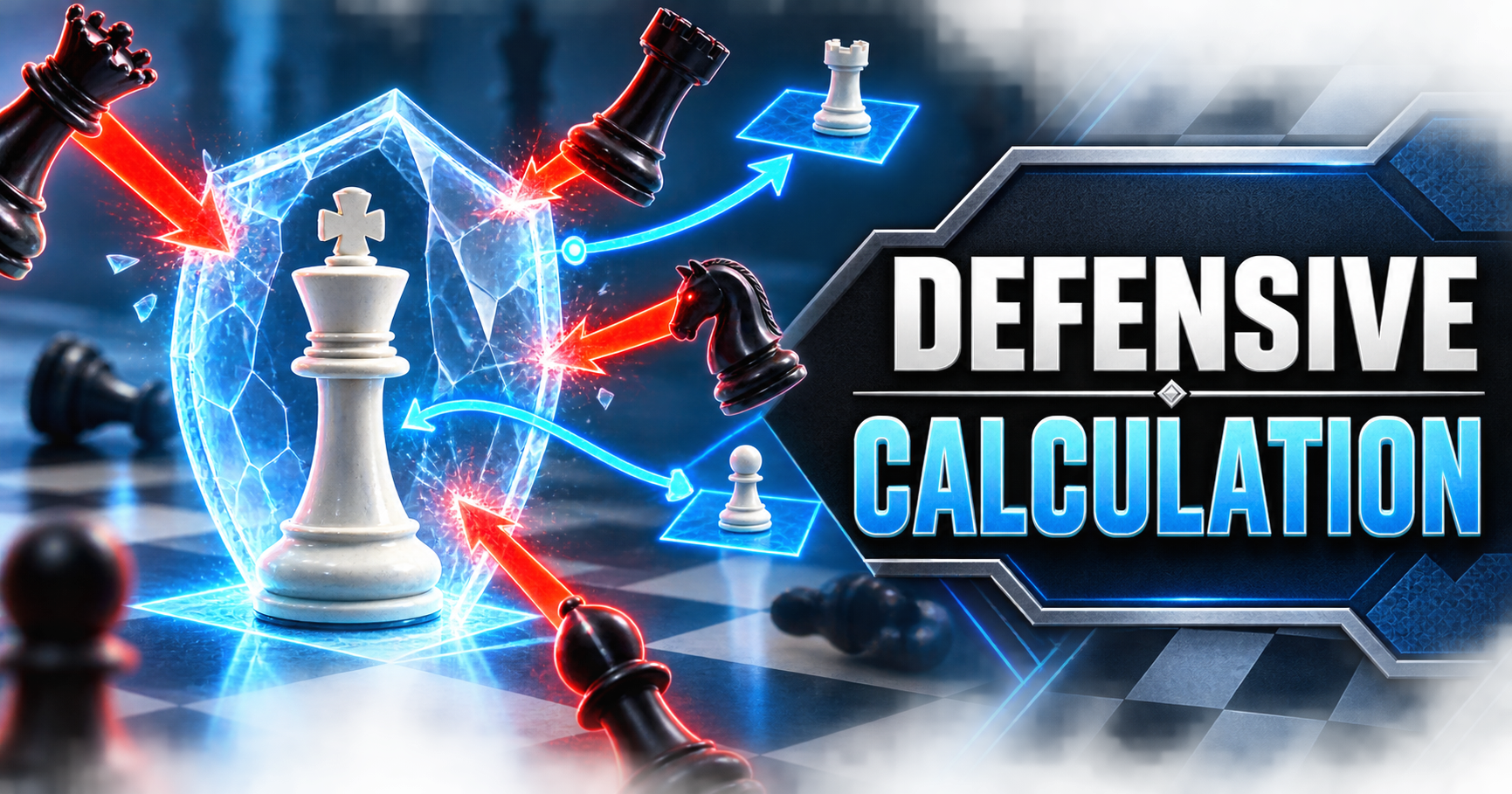
Defensive calculation in chess is not passive survival—it is the skill of finding the opponent’s real threat and choosing the reply that makes their task hardest. 🛡️ Strong defense often begins with one calm, accurate move. ⚡ Under pressure, players …
Zugzwang in chess is the remarkable situation in which having to move becomes a disadvantage. ⏳ The position may appear balanced, yet every legal move gives something away. 🧩 Zugzwang is most famous in endgames, but its logic reaches much …
Queenless middlegames are often misunderstood. The queens are gone, but enough pieces remain for tactics, attacks, and complex plans. ♛ Removing the queens changes the priorities—it does not automatically create an endgame. King activity becomes safer, piece coordination grows more …