Queen endgames are among the most concrete and deceptive positions in chess. A material advantage can disappear through perpetual check, while a distant passed pawn can outweigh several extra pawns. 👑 Accuracy depends on checking geometry, king shelter, and tempo …
The king spends the opening seeking safety, but in the endgame it becomes a fighting piece worth roughly the strength of a minor piece. 👑 An active king attacks pawns, supports passed pawns, controls entry squares, and can force the …
A worse position does not have to become a passive position. Counterplay gives the opponent a problem that must be solved, reducing the time and freedom available to improve their advantage. 🔥 The aim is not to pretend the evaluation …
The hardest move in a tactical position is often not a check or capture. It is a quiet move that preserves every threat, removes the opponent’s defense, or improves one piece without giving the enemy a useful tempo. 🤫 These …
An impulsive move is played before the position has received the amount of attention it deserves. It may be the first move that looks natural, a reflex recapture, or an attractive attack chosen before the opponent’s resources are checked. ⚡ …
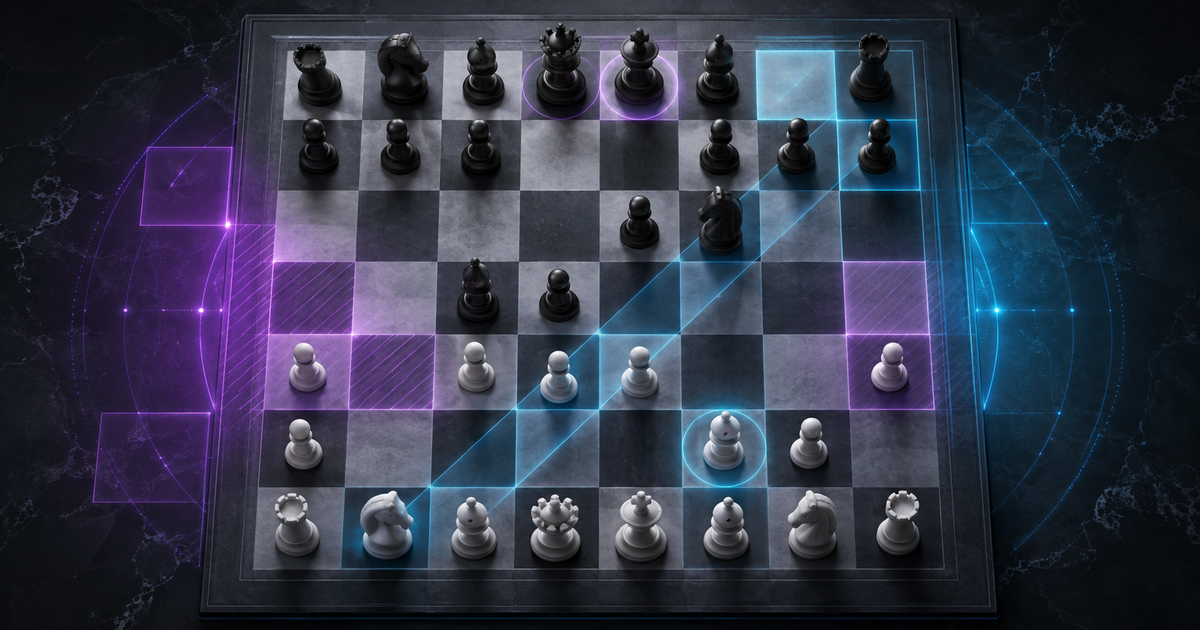
Board awareness is the ability to notice relevant information before it becomes a problem: an undefended piece, a long diagonal, a hidden retreat, a pawn break, or a change on the opposite wing. 👀 Many blunders are not calculation failures; …
Doubled pawns are often described as a weakness, but that label is incomplete. They may control important squares, open files, support central space, or provide a useful pawn break. ♟️ Their value depends on mobility and piece activity, not their …
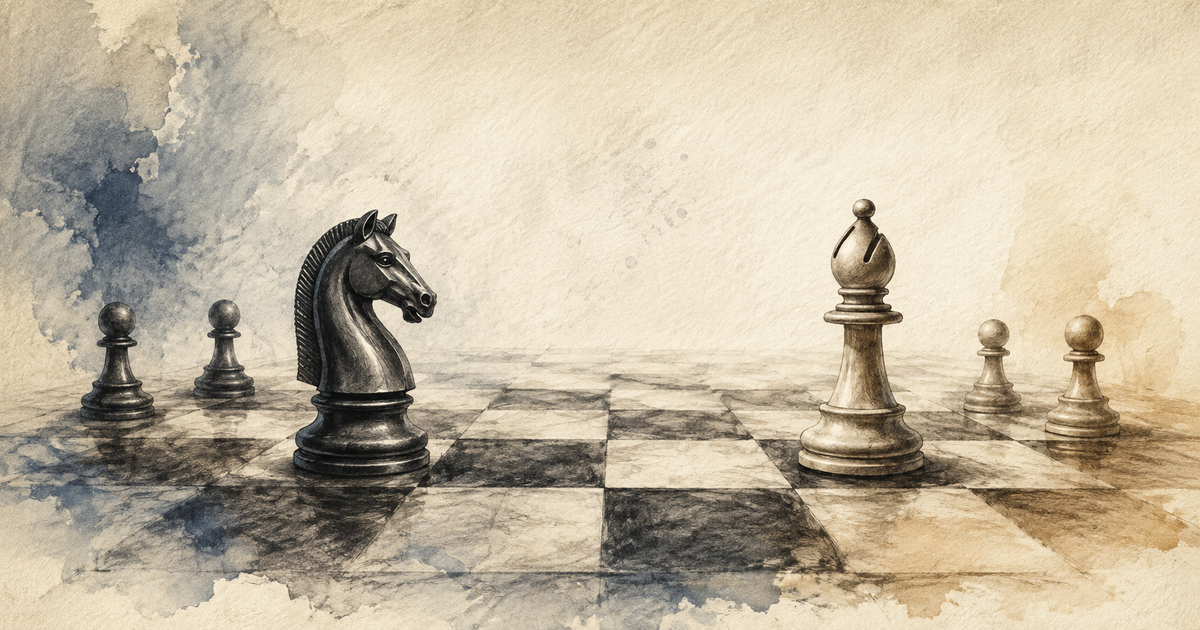
Knight-versus-bishop endgames are decided less by the nominal value of the pieces than by pawn structure, targets, and the number of playable wings. ♞ A knight may dominate a closed position, while a bishop can look almost unbeatable when play …
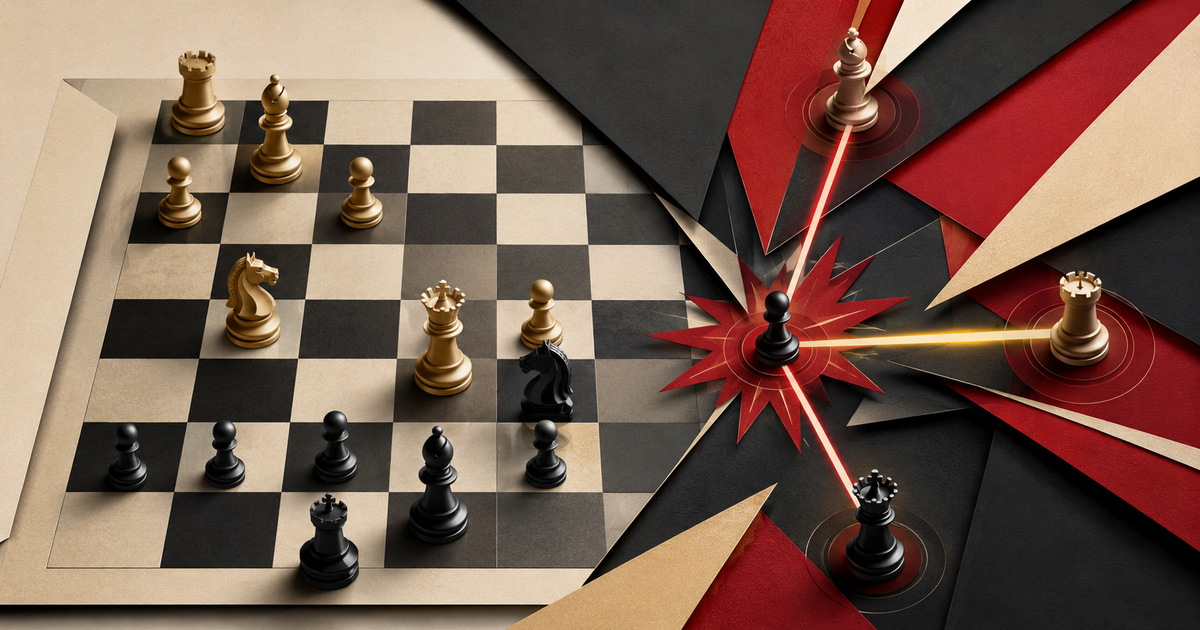
Tactics and strategy are not separate subjects. A positional advantage becomes valuable when it creates a tactical possibility, and a tactical motif often succeeds because the pieces were positioned better first. ⚡ Strong players improve their position while quietly increasing …