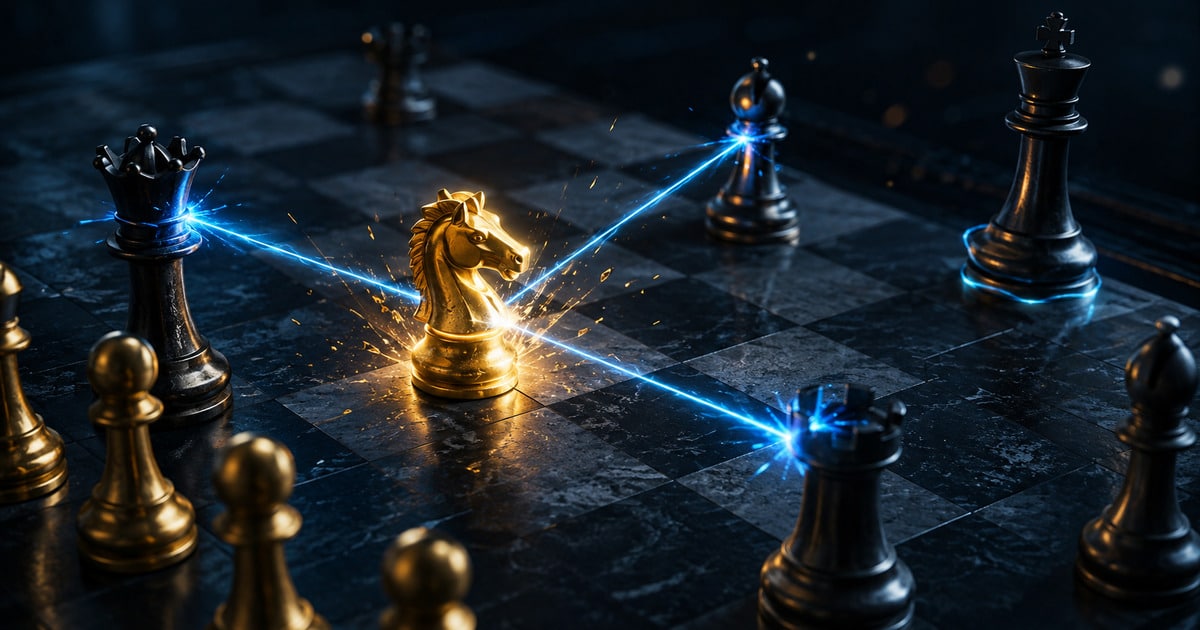
Candidate moves in chess are the small group of options you choose to investigate seriously. If the right move never enters your shortlist, accurate calculation cannot rescue the final decision. Strong selection is a filtering skill. Identify the position’s main …
A pawn break in chess is a pawn move that challenges the existing structure and changes the position’s character. A well-timed break can open a file, activate a bishop, create a passed pawn, remove a defender, or expose a king. …
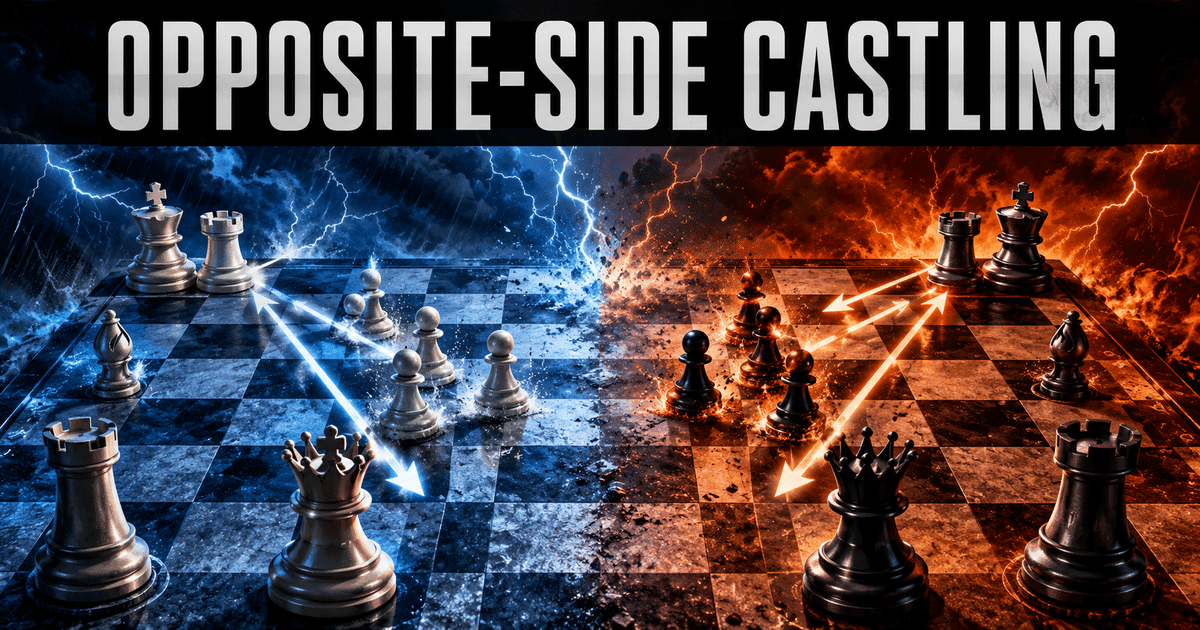
Opposite-side castling creates a direct strategic race: both kings sit on different wings, so each player can advance pawns toward the enemy king without weakening the same shelter. The position may look purely tactical, but the best attacks begin with …
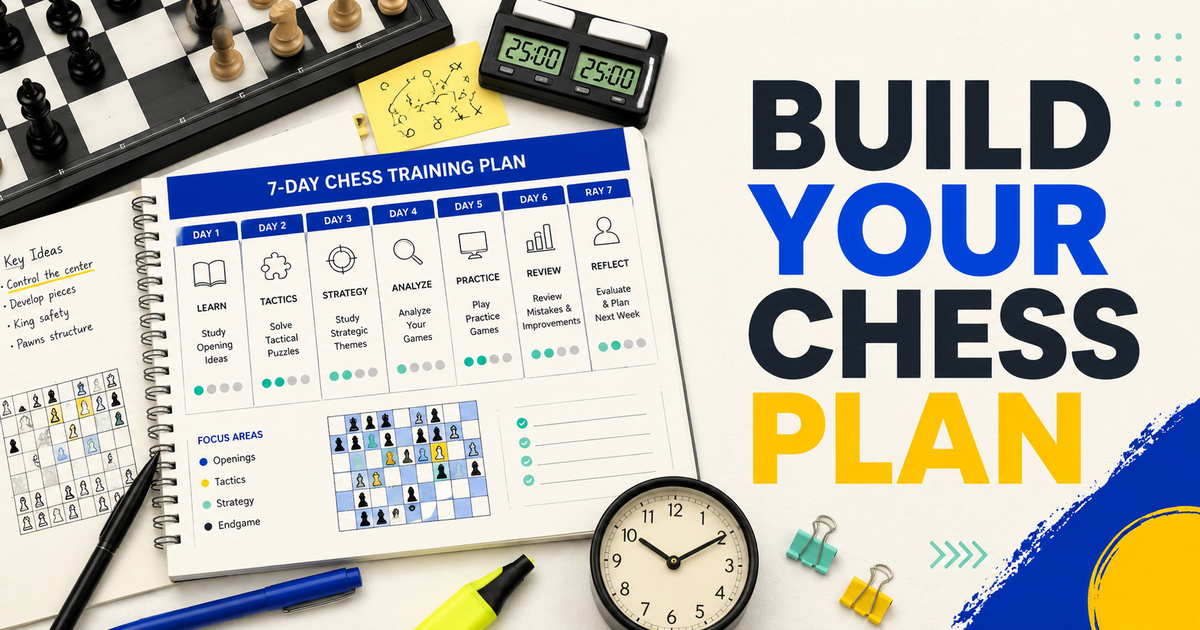
A good chess training plan turns motivation into repeatable work. Instead of studying whatever feels interesting that day, you give each weakness enough focused attention to improve. 📅 Structure creates consistency without making training rigid. The best chess training plan …
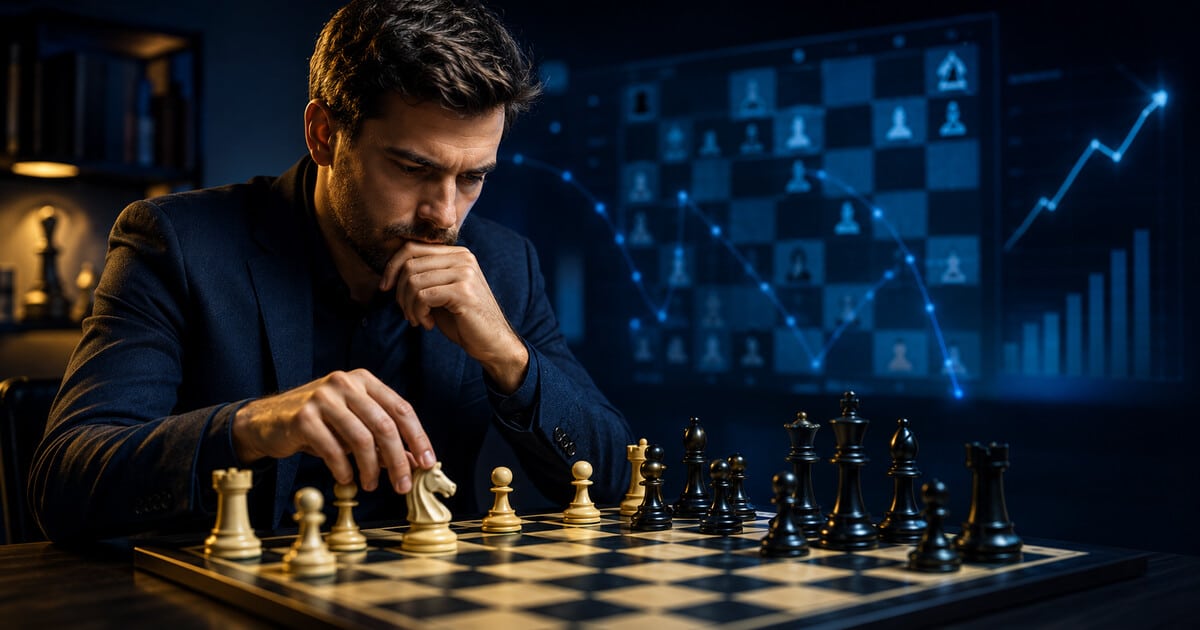
To evaluate a chess position, first ask what the board is demanding. Compare both sides’ strengths, weaknesses, and immediate possibilities before choosing candidate moves. 🔎 Without it, calculation becomes random because you do not know which goals deserve attention. Evaluating …
Tactics decide games at every level. A strong plan can be ruined by one fork, while a difficult position can be saved by a well-timed combination. ⚡ To improve chess tactics, you need more than random puzzle solving. Build pattern …
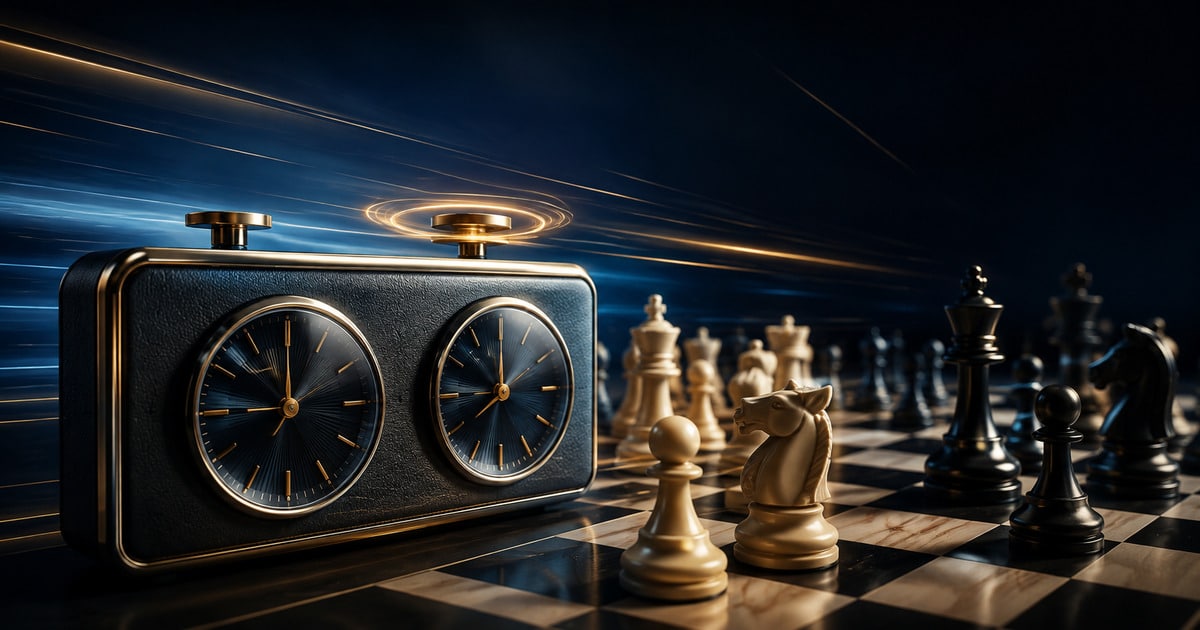
Learning to manage time in chess is not about playing every move quickly. It is about spending your minutes where they have the greatest value. ⏱️ Strong practical players recognize critical positions, think deeply when a decision truly matters, and …
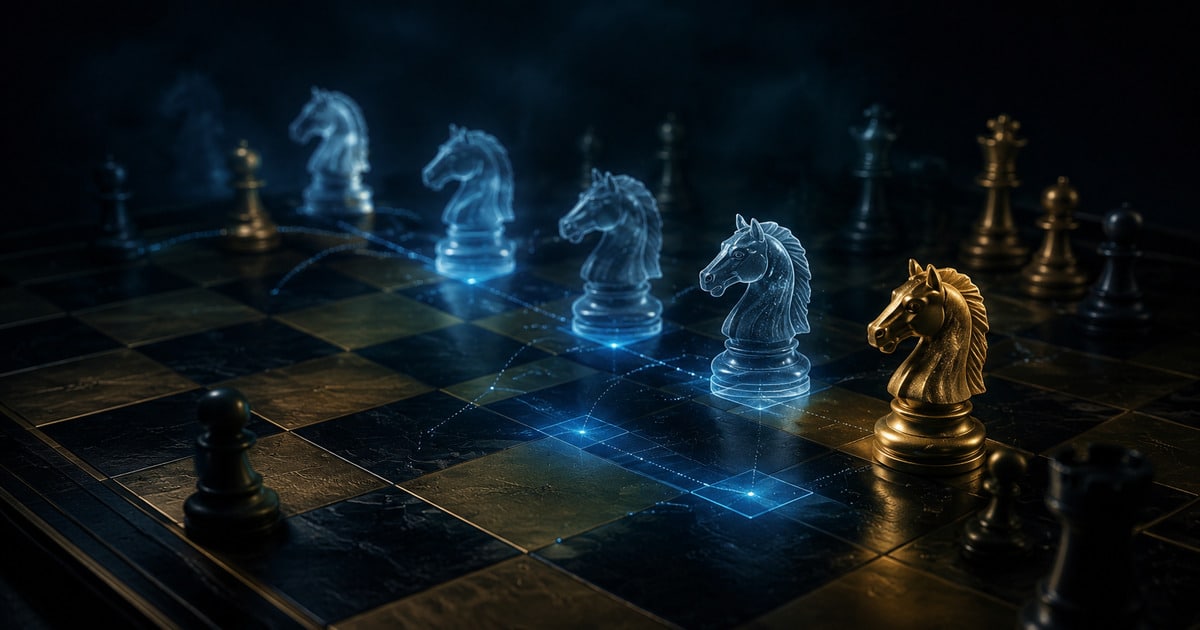
Chess visualization is the ability to see positions, moves, and tactical changes in your mind without physically moving the pieces. It is one of those skills that seems almost mysterious when a strong player calculates a long variation—but it is …
Want to get better at chess? Follow these 10 practical methods to improve your calculation, strategy, openings, endgames, and training routine faster.