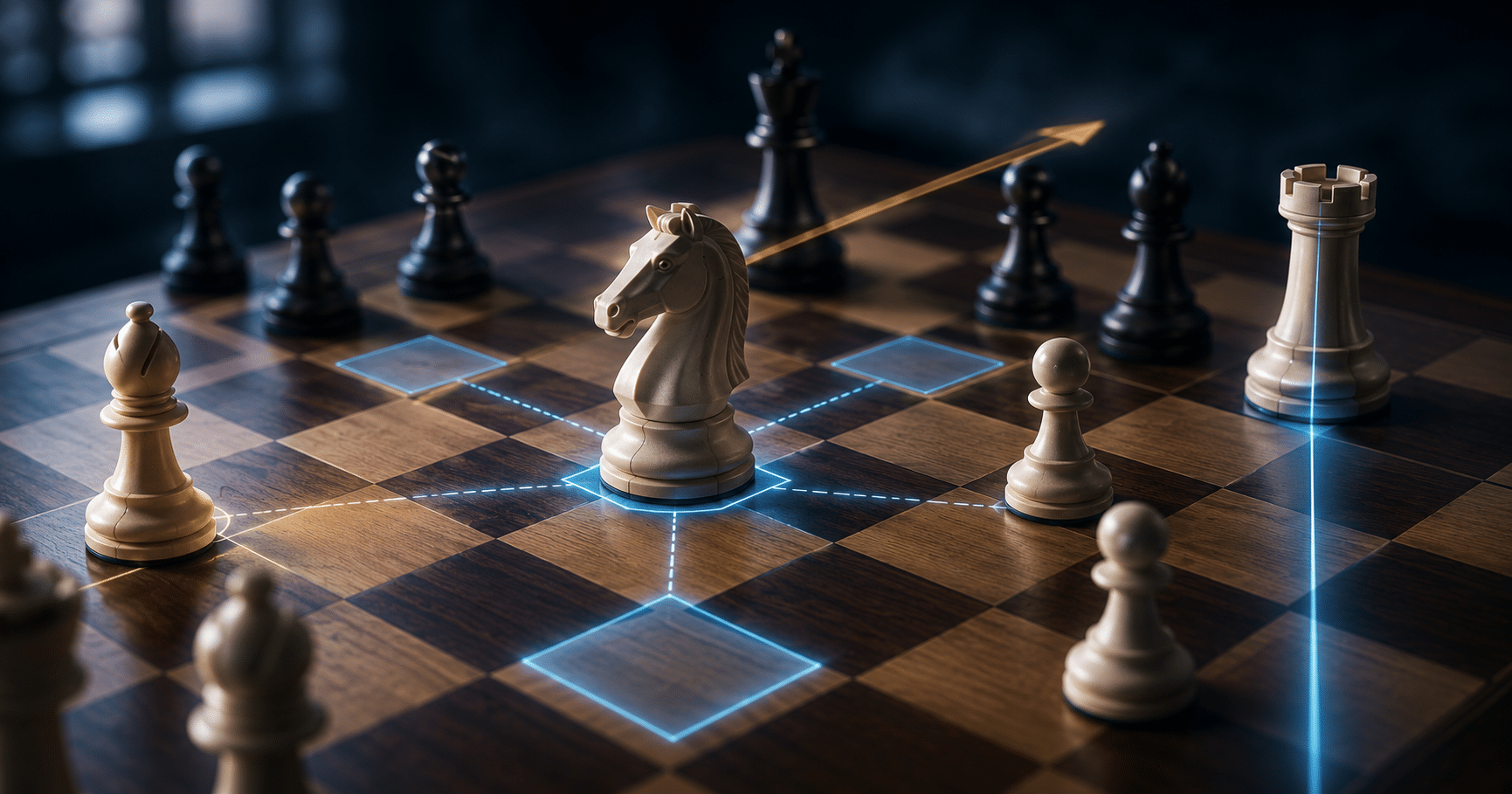
Piece coordination in chess is the difference between owning five active-looking pieces and having one army. 🎼 A knight, bishop, rook, and queen may each stand well, yet accomplish almost nothing if they attack different targets or block one another. …
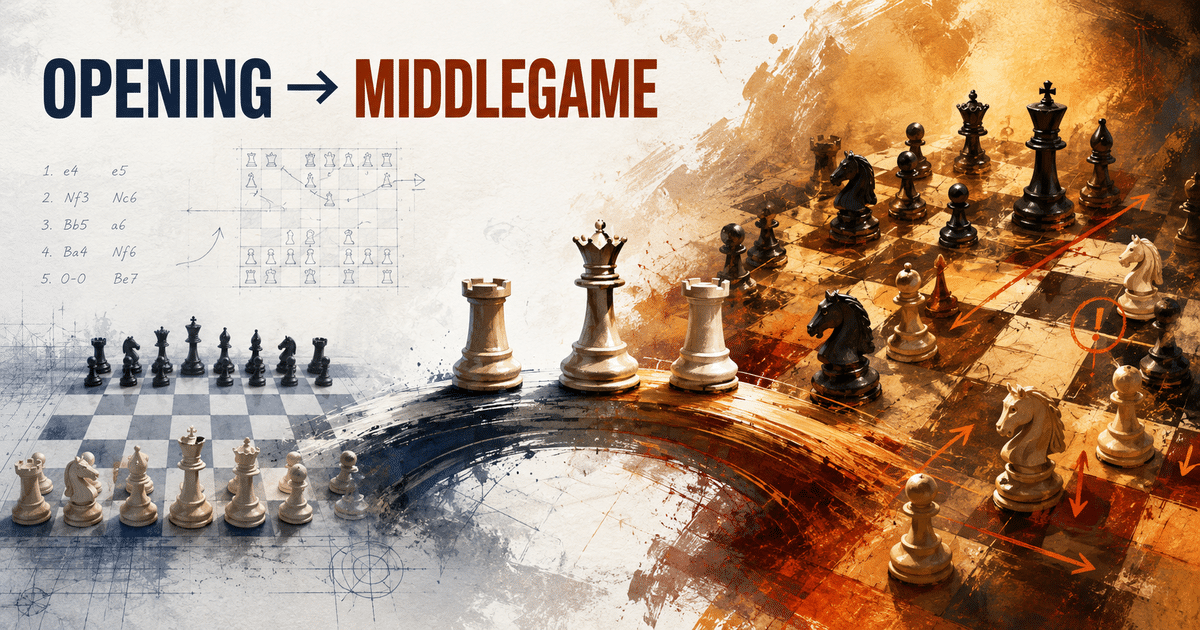
Many players know their opening moves but feel lost when the memorized line ends. The position is playable, yet no obvious instruction remains. 🧭 The transition from opening to middlegame is where knowledge must become understanding. A smooth transition requires …
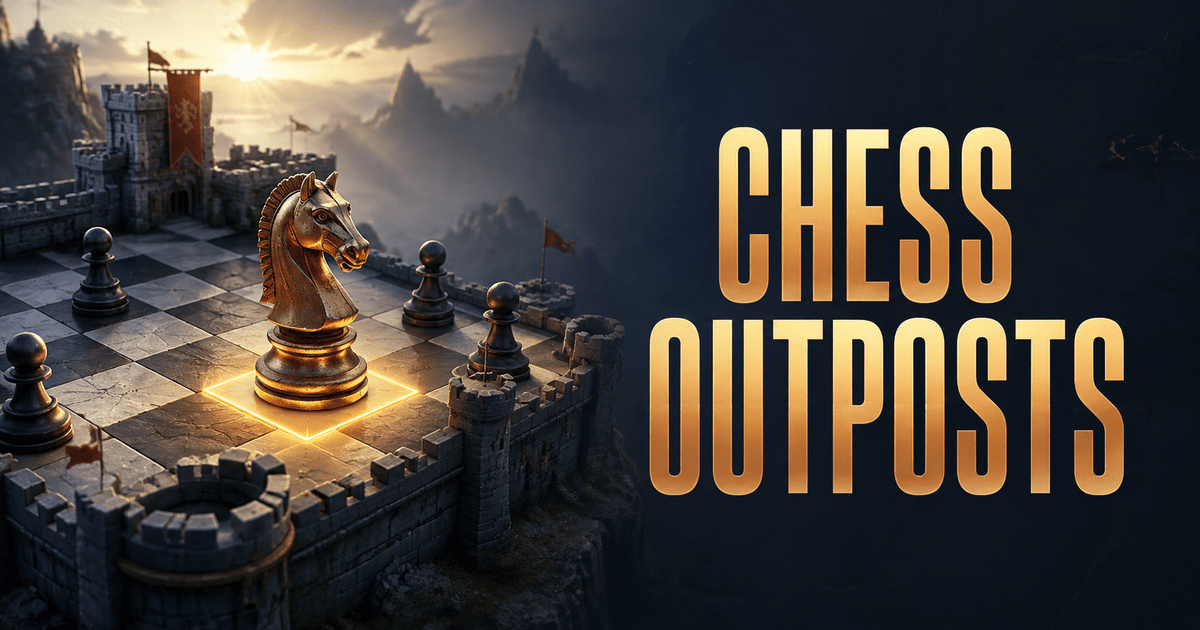
An outpost is a protected square in enemy territory that cannot easily be challenged by a pawn. When the right piece occupies it, the entire position can change. ♞ The opponent becomes restricted, weaknesses appear, and your plans gain a …
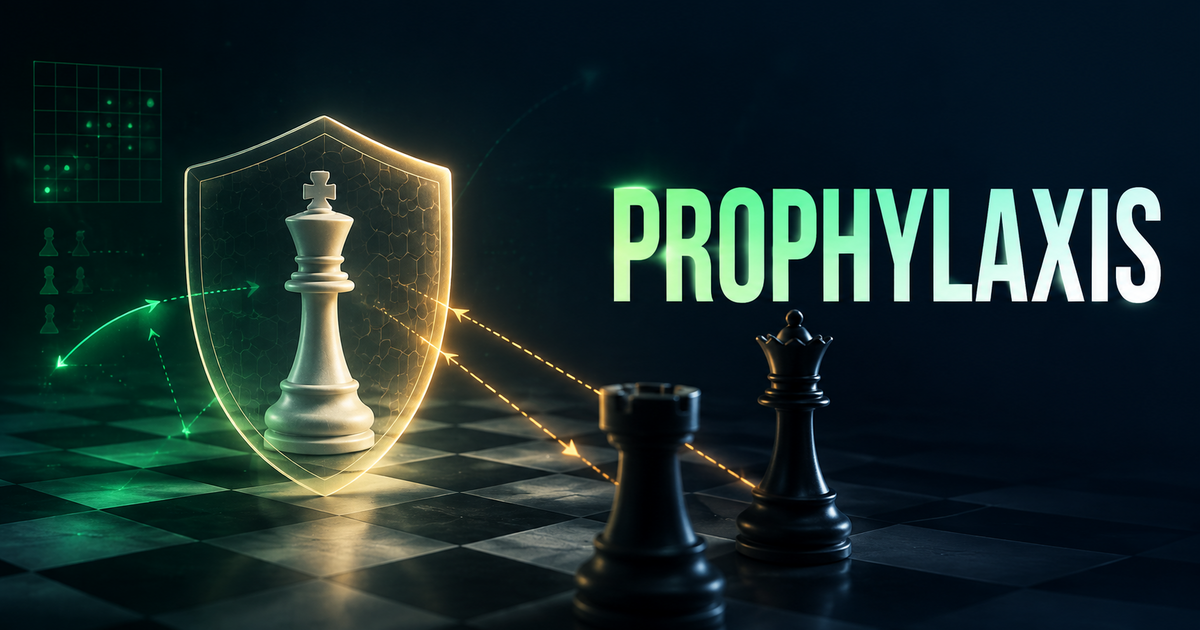
Prophylaxis is the art of asking what your opponent wants and responding before their idea becomes dangerous. 🛡️ It is not passive chess. The best prophylactic moves restrict the opponent while improving your own position. Many players notice direct threats …
Pawn structures are the skeleton of a chess position. They determine which files can open, where pieces belong, which weaknesses may become permanent, and on which side of the board each player should act. 🧱 When you understand the structure, …
♟️🧠 Positional chess is not boring — it is powerful. 🔥 Many players think improvement only comes from tactics, attacks, and opening theory. But very often, the player who understands positional chess better controls the game without needing a direct …