🧘 How To Handle Chess Tournament Nerves starts with accepting that nervous energy is normal. The goal is not to feel nothing; it is to keep a stable routine so emotion does not control your moves or your clock. Give …
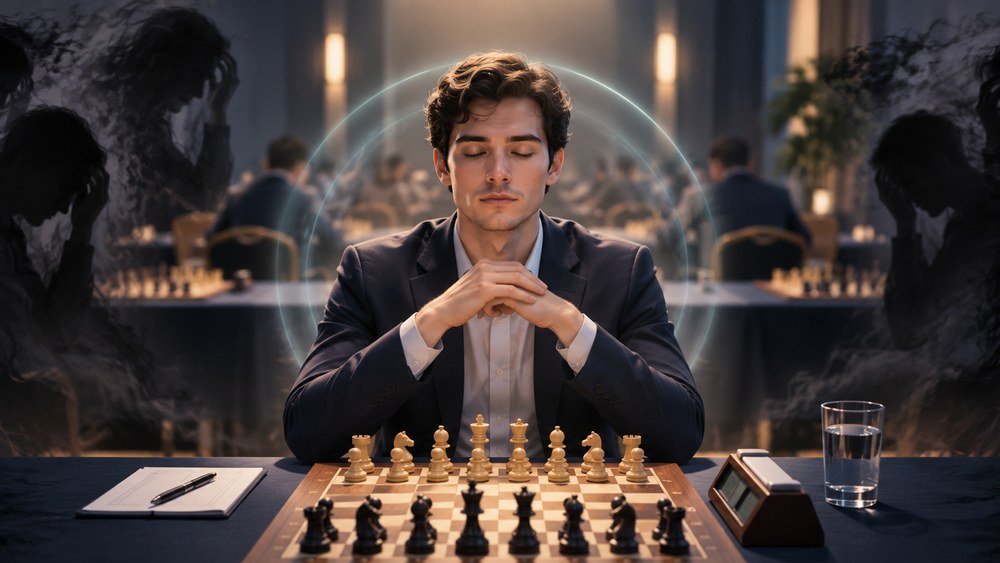

🧘 How To Handle Chess Tournament Nerves starts with accepting that nervous energy is normal. The goal is not to feel nothing; it is to keep a stable routine so emotion does not control your moves or your clock. Give …
An impulsive move is played before the position has received the amount of attention it deserves. It may be the first move that looks natural, a reflex recapture, or an attractive attack chosen before the opponent’s resources are checked. ⚡ …

Opening surprises in chess are designed to pull you away from memory and into independent decision-making. 🎭 The unfamiliar move may be objectively harmless, yet psychologically dangerous because it makes you feel unprepared. The best response is not to refute …
Losing a chess game can feel personal. You invested time, energy, preparation, and pride—then one mistake or difficult decision changed the result. 😔 The emotion is real, but it does not have to control the next round. Recovery is a …
Chess concentration is the ability to keep returning your attention to the position for hours, even after surprises, mistakes, and fatigue. 🧠 Strong focus does not mean never becoming distracted—it means noticing the distraction and resetting quickly. A single lapse …
Facing a much stronger chess player can make the board feel different before the first move. Their rating, title, or reputation may tempt you to become passive, force complications, or assume every move hides something brilliant. 💪 The best response …
A successful chess tournament begins before the first pairings are announced. Preparation shapes your confidence, energy, opening choices, and ability to recover after difficult rounds. 🏆 You cannot control every result, but you can arrive ready to make good decisions …
Good time management in chess is not about playing every move quickly. It is about spending your minutes where they have the greatest value. ⏱️ Strong practical players recognize critical positions, think deeply when a decision truly matters, and avoid …
Not a member yet? Register now
Are you a member? Login now