Turn video lessons, PDFs and PGNs into practical chess training with five easy steps and a focused 25-minute study routine.
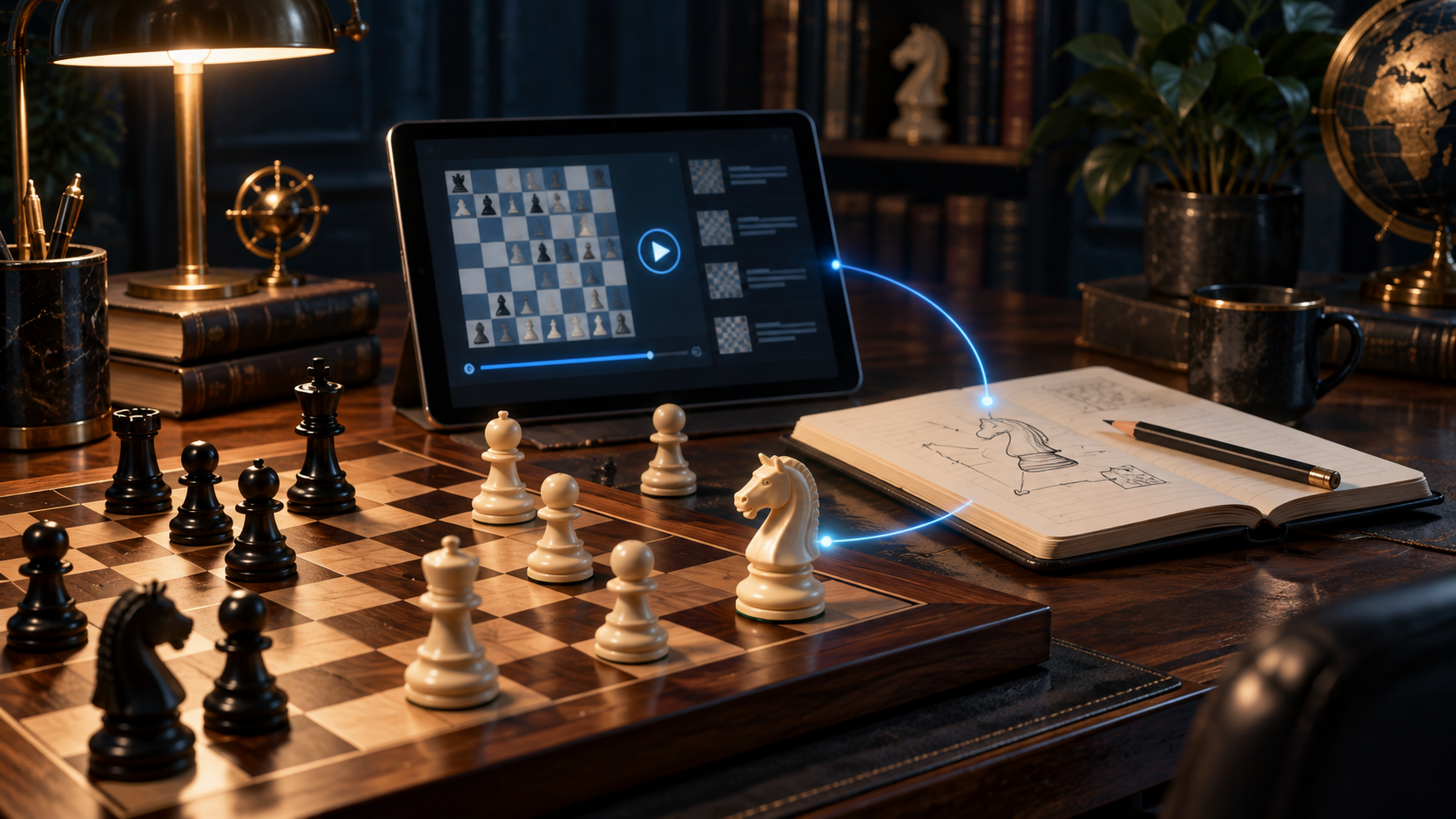

Turn video lessons, PDFs and PGNs into practical chess training with five easy steps and a focused 25-minute study routine.
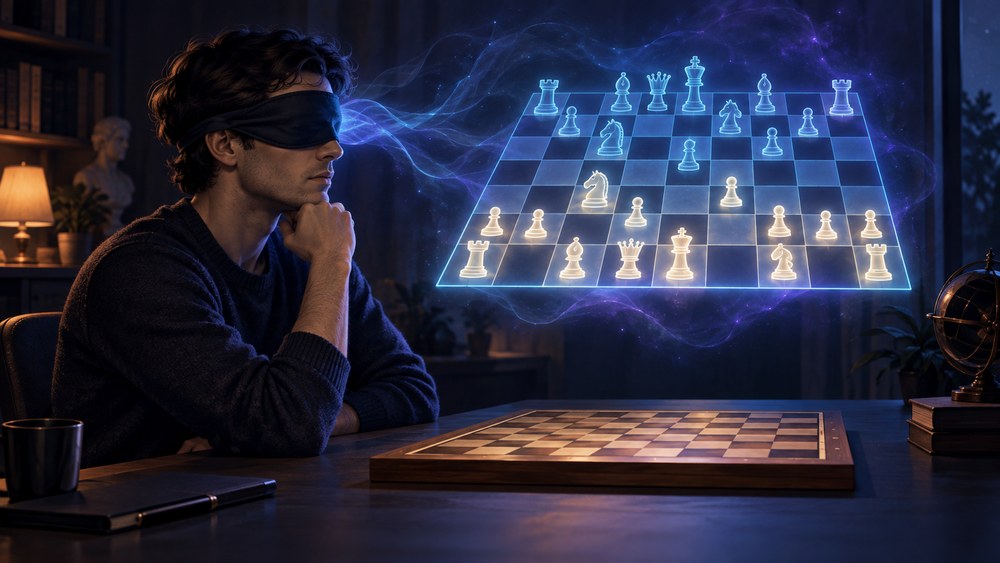
🧠 How To Practice Blindfold Chess should begin with small visualization tasks rather than a full game. Blindfold skill is the ability to maintain an accurate internal board while pieces move and relationships change. Begin with accuracy, not a full …

📈 How To Break Through A Chess Plateau requires changing the quality of training, not simply adding more games. A plateau usually means that familiar practice no longer targets the mistakes limiting your results. Diagnose before changing your training. A …
Pattern recognition allows a player to see familiar relationships quickly: a back-rank weakness, a knight outpost, a mating net, a rook behind a passed pawn, or a standard pawn break. 🧠 It reduces the amount of calculation needed because previous …
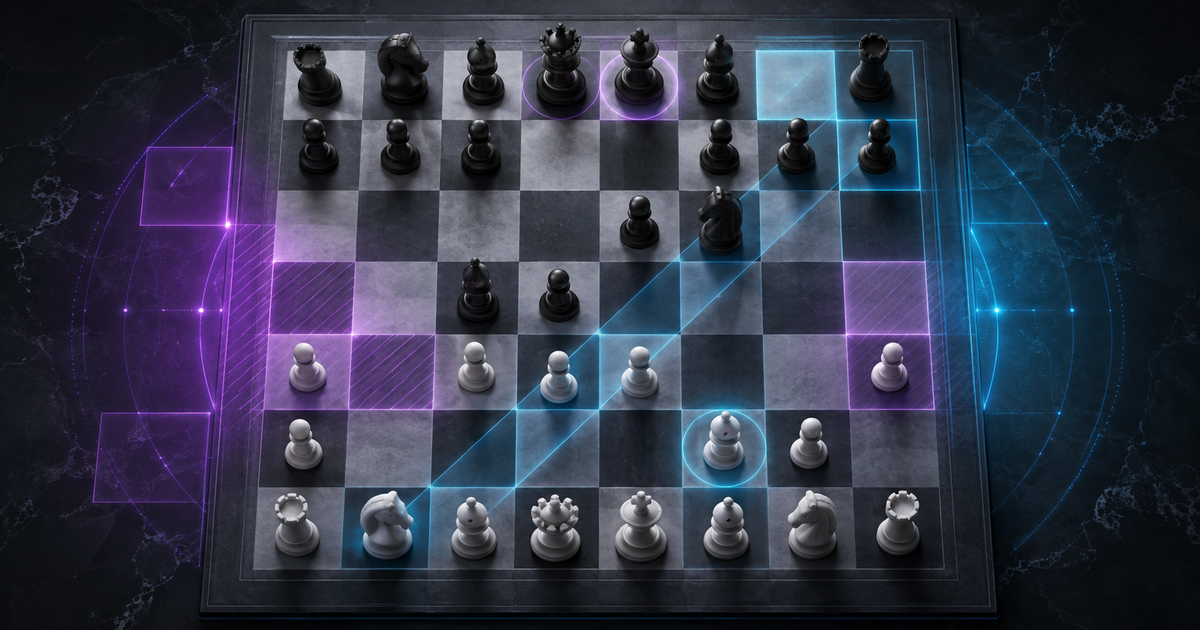
Board awareness is the ability to notice relevant information before it becomes a problem: an undefended piece, a long diagonal, a hidden retreat, a pawn break, or a change on the opposite wing. 👀 Many blunders are not calculation failures; …
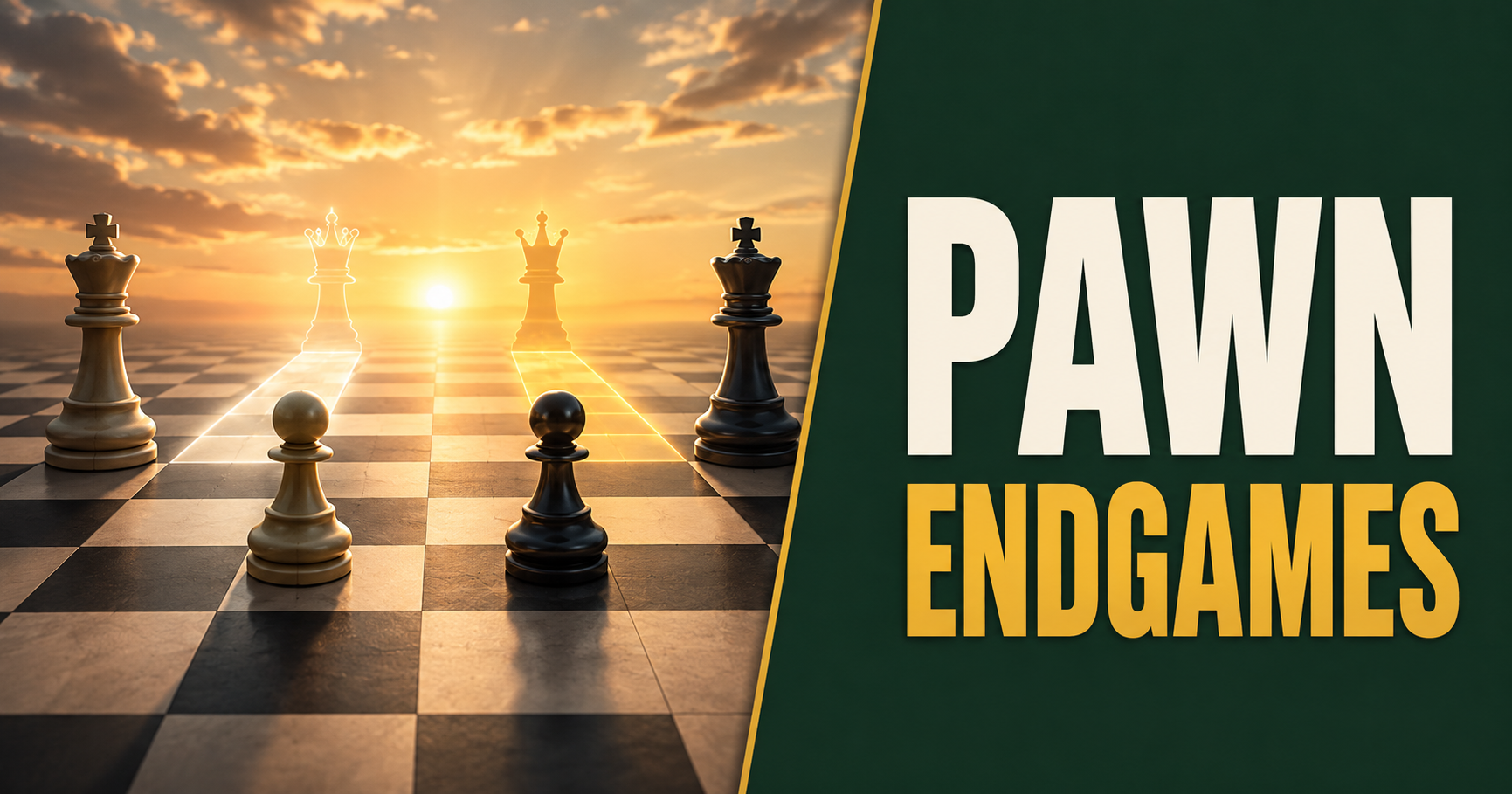
Pawn endgames are the laboratory of chess calculation. 🔬 With no queens or rooks to create distractions, every king move, pawn push, and spare tempo becomes visible—and irreversible. 📘 Studying pawn endgames effectively is not about memorizing hundreds of positions. …
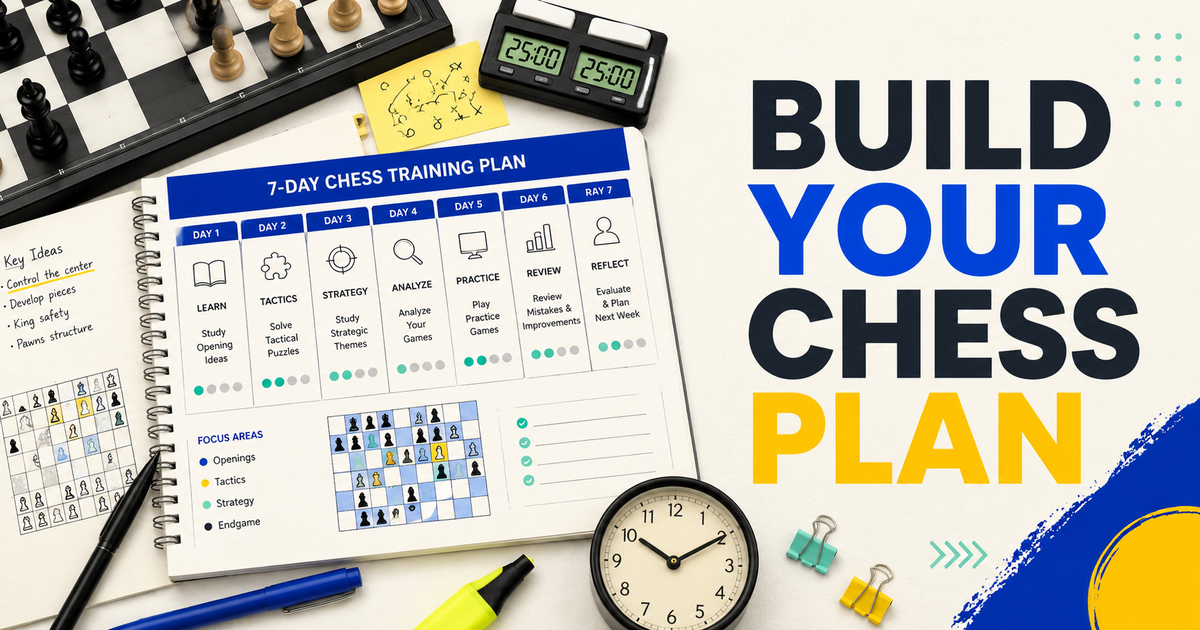
A good chess training plan turns motivation into repeatable work. Instead of studying whatever feels interesting that day, you give each weakness enough focused attention to improve. 📅 Structure creates consistency without making training rigid. The best plan is not …
Chess concentration is the ability to keep returning your attention to the position for hours, even after surprises, mistakes, and fatigue. 🧠 Strong focus does not mean never becoming distracted—it means noticing the distraction and resetting quickly. A single lapse …
Chess intuition is the ability to sense which moves and ideas deserve attention before you calculate everything. 🧠 It helps you recognize danger, locate promising squares, and narrow a complicated position to a few serious candidates. Intuition is not a …
Not a member yet? Register now
Are you a member? Login now