When you study grandmaster chess games actively, they provide complete lessons in opening ideas, planning, calculation, defense, and endgame technique. Yet simply clicking through the moves rarely produces lasting improvement. 📖 The real value appears when you pause, predict, question, …
Learning how to prepare for a chess tournament begins before the first pairings are announced. Preparation shapes your confidence, energy, opening choices, and ability to recover after difficult rounds. 🏆 You cannot control every result, but you can arrive ready …
Chess visualization is the ability to see positions, moves, and tactical changes in your mind without physically moving the pieces. It is one of those skills that seems almost mysterious when a strong player calculates a long variation—but it is …
Want to get better at chess? Follow these 10 practical methods to improve your calculation, strategy, openings, endgames, and training routine faster.
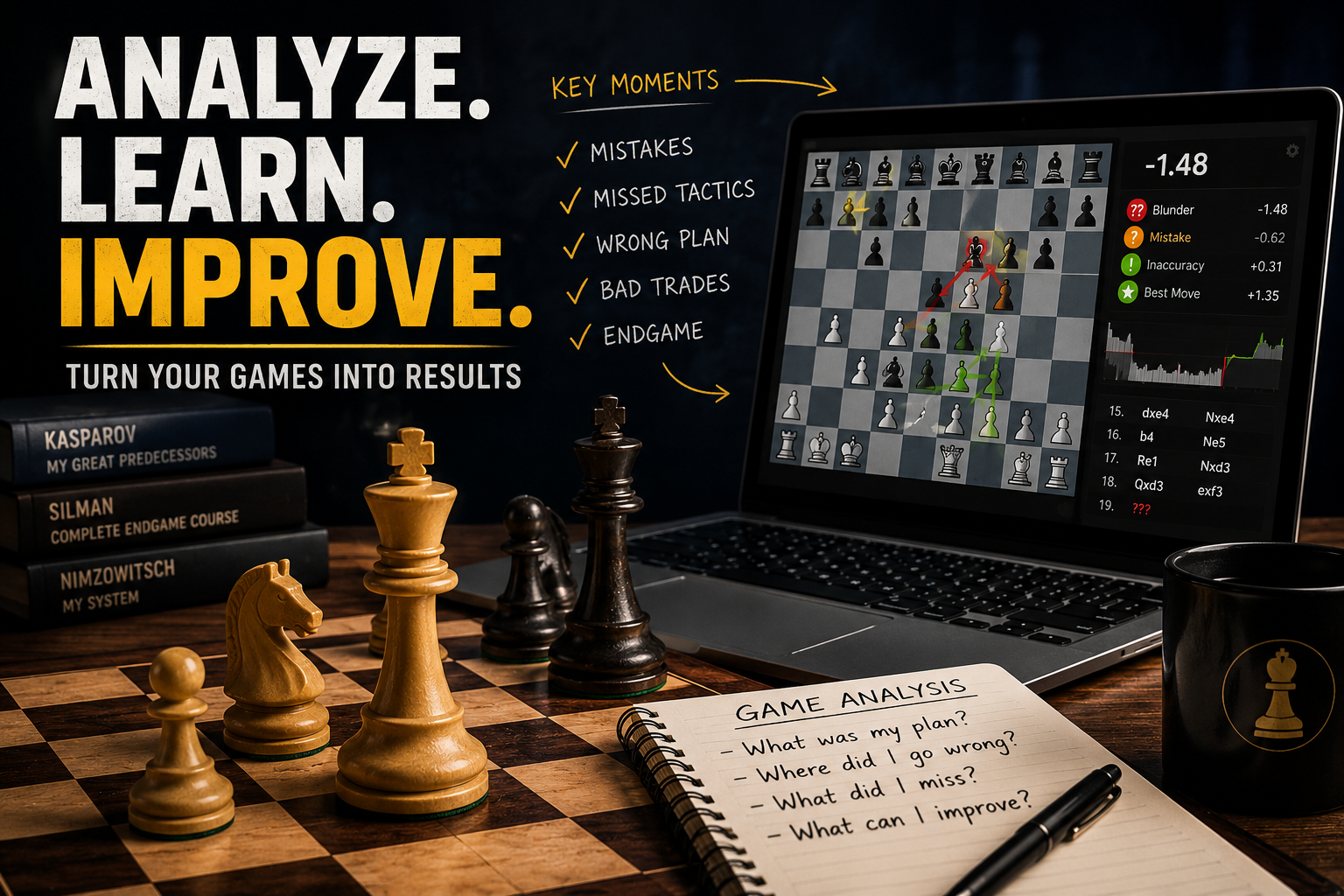
Learning how to analyze chess games means doing more than checking the engine for a blunder. A useful review reconstructs your decisions, identifies the positions that required the most judgment, and turns recurring mistakes into specific training tasks. Your own …
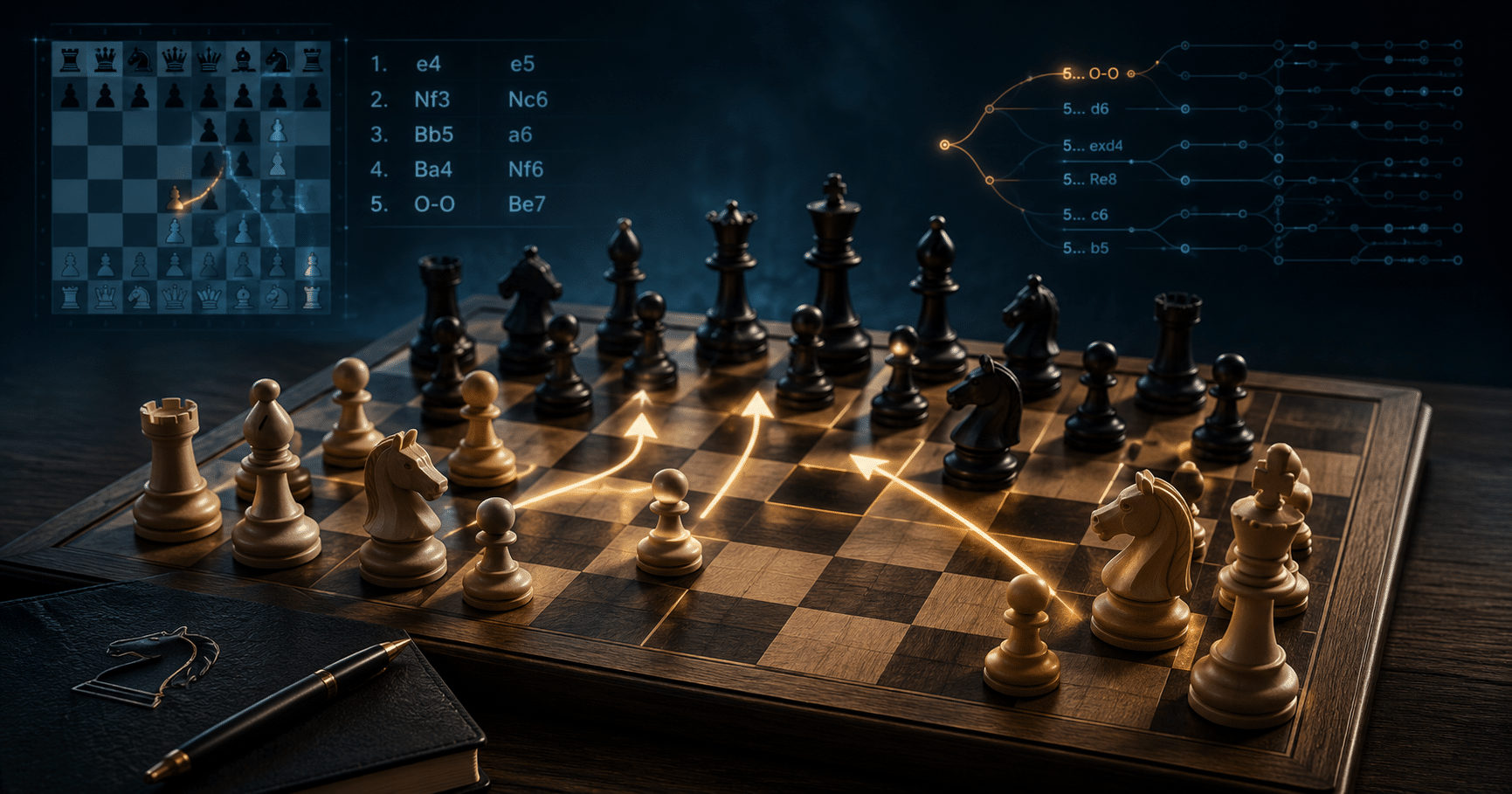
A strong chess opening repertoire should give you familiar positions, clear plans, and practical answers to the moves you are most likely to face. It should not force you to memorize endless engine lines that you do not understand. The …
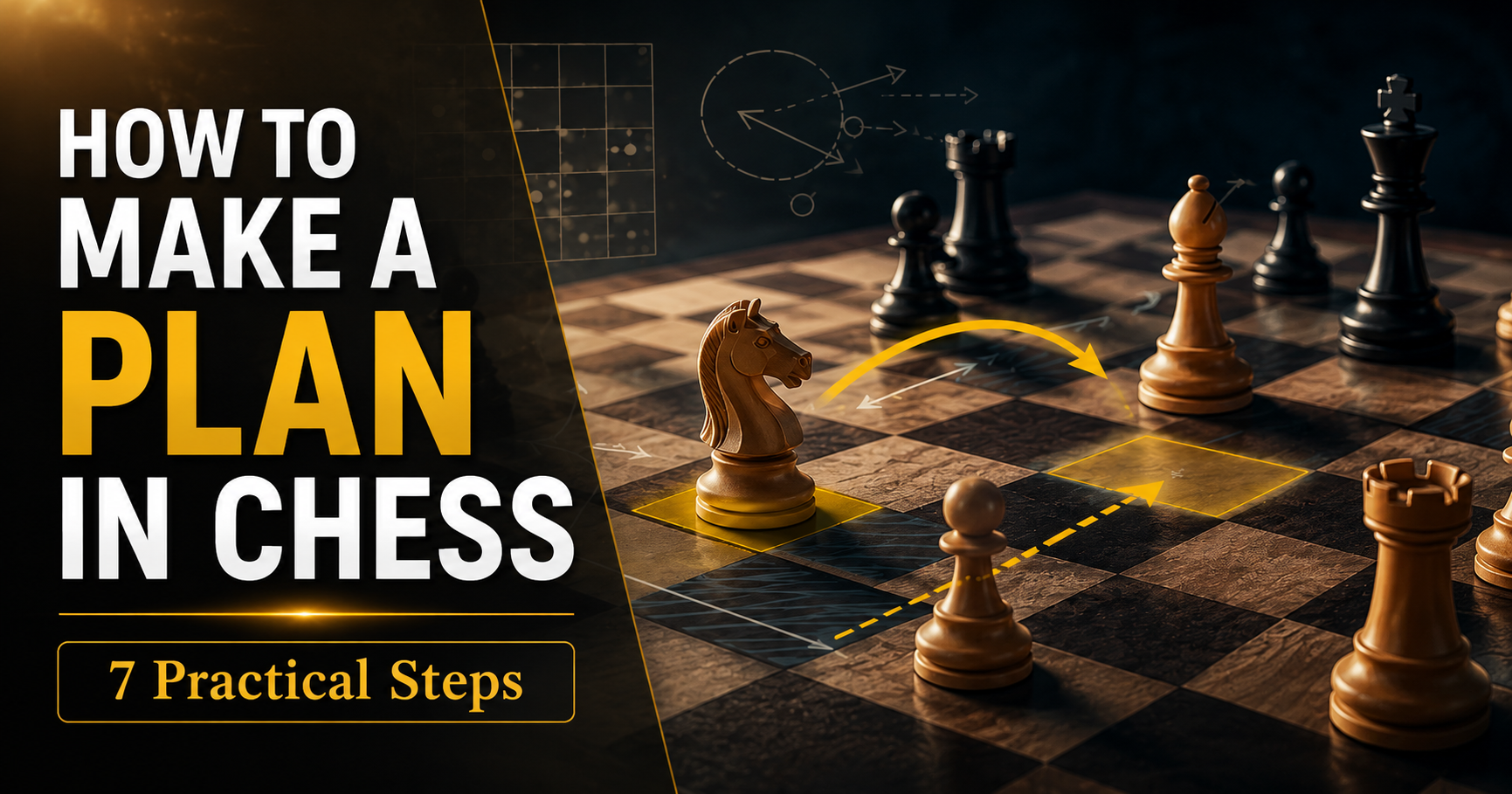
♟️ Learning how to make a plan in chess turns a normal middlegame into a series of purposeful decisions. After development and castling, start by reading the pawn structure, comparing your pieces, and checking what your opponent wants. When there …
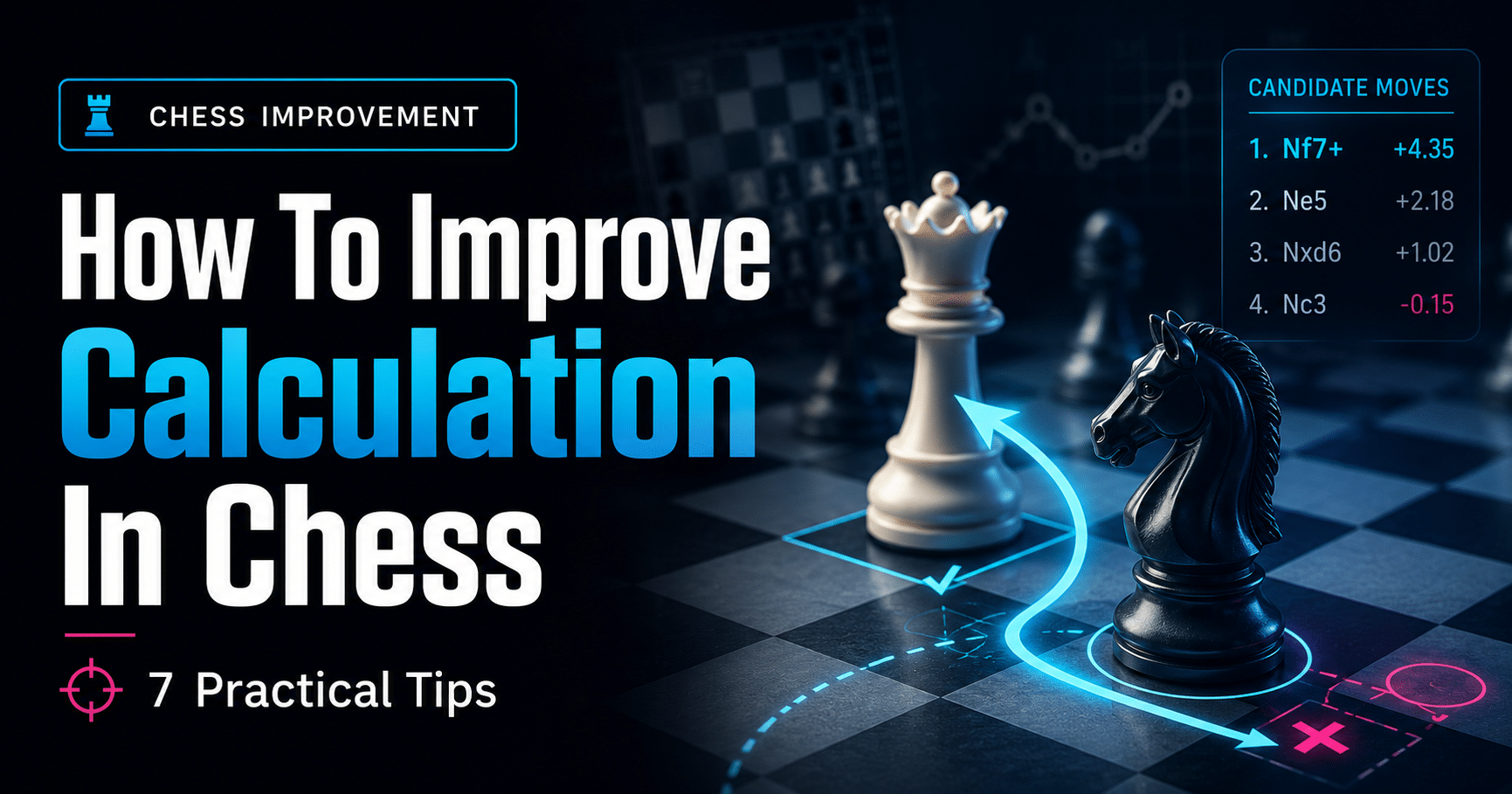
♟️ Many players ask how to improve calculation in chess, but the answer is not just “solve more puzzles.” Tactics are important, but learning how to improve calculation in chess requires more than finding a one-move trick. You need a …
Check whether a trained chess skill is appearing beyond familiar exercises. This three-stage test separates understanding, independent recognition and execution, then uses later games to guide the next training task.