How To Use Prophylaxis In Chess?
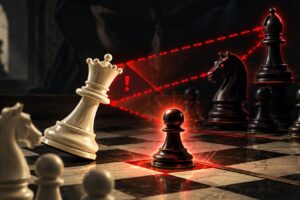
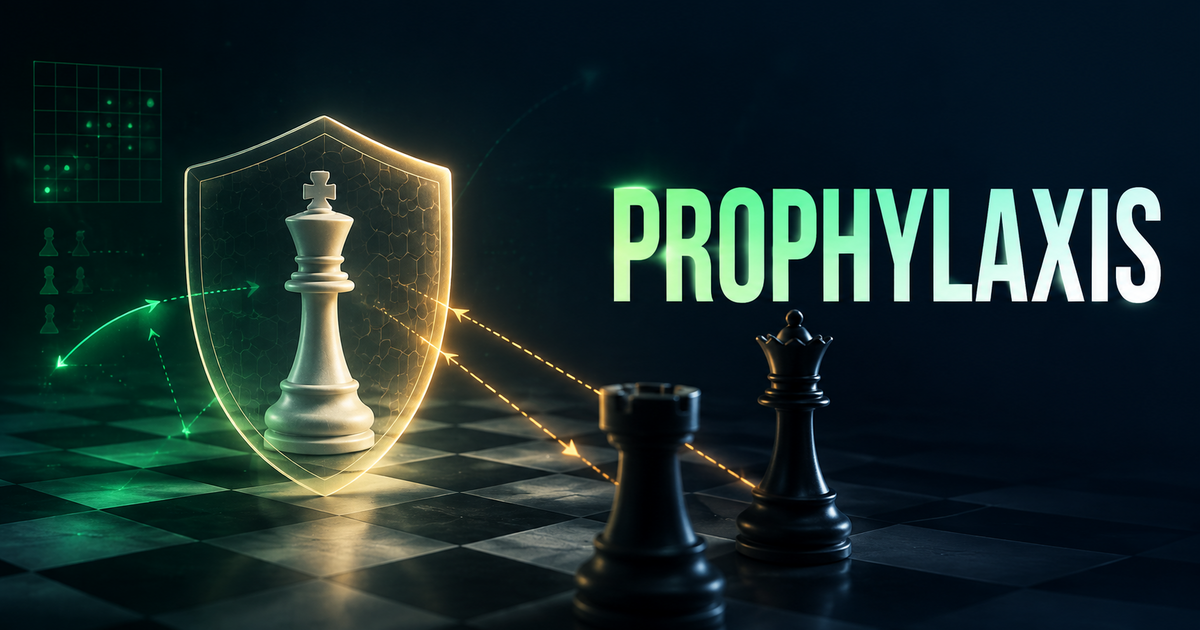
Prophylaxis is the art of asking what your opponent wants and responding before their idea becomes dangerous. 🛡️ It is not passive chess. The best prophylactic moves restrict the opponent while improving your own position.
Many players notice direct threats but miss quiet intentions. A rook is preparing an open file, a knight wants an outpost, or a pawn break will free the entire position. 🔍 Prophylactic thinking helps you detect these plans early enough to act efficiently.
What Is Prophylaxis In Chess?
A prophylactic move prevents, discourages, or reduces the strength of an opponent’s idea. It may create an escape square, control a key entry point, remove a tactical possibility, or improve a defender.
⚖️ The strongest examples have two purposes. A move such as h3 might stop …Bg4 while giving the king luft; a rook move might defend a pawn while contesting the only active file.
Why Prophylaxis Improves Your Chess
Chess is a conversation between two plans. If you consider only your own idea, every opponent move feels like an interruption. If you understand both plans, you can choose moves that keep the initiative and reduce surprises.
🧠 Prophylaxis also improves calculation because you begin with the opponent’s strongest resources. Your variations become more realistic, and your attractive plans are tested against active resistance.
Start With The Last Move
After every opponent move, ask: ‘What changed?’ Identify newly opened lines, weakened squares, improved pieces, and tactical relationships. Then ask what they would play next if allowed.
🚦 This simple pause prevents automatic responses. An innocent-looking rook move may prepare a pawn break; a king move may remove a tactical problem and threaten activity elsewhere.
Separate Threats From Plans
A threat demands immediate attention: mate, material loss, or a forcing tactical sequence. A plan is a longer-term intention that may be met, delayed, ignored, or answered with faster counterplay.
⚡ Do not defend against every possibility. First decide whether the opponent’s idea is real, how quickly it arrives, and what happens if you continue with your own plan.
Find The Opponent’s Best Piece
Identify the piece that creates the most pressure and the route by which it could improve. Can you exchange it, deny its destination, or make its target less vulnerable?
♞ Sometimes one small restriction changes the entire position. Preventing a knight from reaching an outpost may force it to remain passive for many moves.
Find The Opponent’s Pawn Break
Pawn breaks transform structures and activate pieces. Ask which break your opponent needs, which pieces support it, and whether it can be stopped without weakening your position.
🧱 You may block the break, control the advance square, exchange the supporting piece, or create counterplay before it arrives. The Master Chess Strategy course shows how pawn structures reveal both sides’ plans and preventive priorities.
Use Prophylaxis Around Your King
King safety provides the clearest examples. Luft prevents back-rank tactics, a well-timed pawn move denies a sacrifice, and a defender can be rerouted before attacking pieces arrive.
👑 Avoid weakening the king for an imaginary threat. Every pawn move changes squares permanently, so calculate whether the prevention is necessary and what new access points it creates.
Restrict Counterplay When Better
When you have an advantage, identify the opponent’s only active idea. Neutralizing that resource often makes conversion much easier. A winning attack is not always required; sometimes the best move simply removes hope.
🔒 Exchange their active rook, stop the freeing break, or secure your king before advancing. The Advantage To Victory course explores how controlling counterplay helps turn favorable positions into full points.
Create Multi-Purpose Moves
Pure defense can lose time. Search for moves that prevent an idea while developing, attacking, or improving your worst piece. These moves preserve momentum and make your position easier to coordinate.
🔧 For example, a rook may leave a tactical diagonal, defend a weakness, and prepare a file occupation at once. Multi-purpose moves are the practical heart of prophylaxis.
Use The ‘If I Pass’ Question
Imagine that you make no move. What would the opponent do? This mental experiment quickly reveals their most natural continuation and the position’s urgent feature.
⏸️ You cannot actually pass, but the question separates your wishes from the opponent’s reality. It is especially helpful in quiet middlegames where no direct threat is visible.
Prophylaxis In Tactical Positions
Preventive thinking is not only strategic. Before launching a combination, look for the opponent’s checks, counter-captures, zwischenzugs, and escape squares. A short prophylactic move may make your tactic work.
🎯 Calculate the opponent’s most forcing defense first. The Calculation & Evaluation Technique course helps integrate defensive resources into a disciplined candidate-move process.
Prophylaxis In Defense
When worse, identify how the opponent intends to increase pressure. Can you exchange the attacking piece, create an escape square, challenge the file, or generate counterplay before their setup is complete?
🛡️ Good defense is active. The The Art Of Defense course develops methods for anticipating threats, reorganizing defenders, and finding practical resistance.
A Prophylactic Thinking Checklist
- What did the opponent’s last move change?
- What would they play next if I passed?
- Which piece or pawn break is central to their plan?
- Is the idea a real threat or a slow plan?
- Can I prevent it with a move that also improves my position?
- Do I have a stronger forcing continuation?
📋 Use the full checklist at critical moments. In ordinary positions, shorten it to two questions: ‘What do they want?’ and ‘Can my move address it without abandoning my plan?’
How To Practice Prophylaxis
Pause annotated master games before quiet moves and predict the opponent’s plan. Then search for a move that restricts it. Compare your answer with the move played and explain every purpose the move serves.
📝 In your own games, mark moments where you were surprised. Ask which earlier clue revealed the idea. Surprise is often evidence that prophylactic thinking disappeared one or two moves too soon.
Common Prophylaxis Mistakes
The first mistake is paranoia—trying to stop every possible idea. The second is passivity—making defensive moves that improve nothing. The third is preventing a slow plan while ignoring an immediate tactic.
⚠️ Always compare prevention with counterplay. If your forcing action is faster and sound, you may not need to stop the opponent directly.
Final Thoughts
To use prophylaxis in chess, treat every position as a contest between two intentions. Understand what changed, identify the opponent’s best continuation, and search for efficient multi-purpose moves.
🌟 The habit begins with one question: ‘What does my opponent want?’ Ask it consistently, and your games will contain fewer surprises, stronger plans, and far more control.

You may also like

How to Study a Chess Course: 5 Easy Steps
How To Play Gambit Positions In Chess?