👑 How To Choose Which Side To Castle In Chess depends on pawn shelter, open lines, and the direction of each side’s attack. Castling quickly is often good, but castling into an existing pawn storm can be worse than keeping …


👑 How To Choose Which Side To Castle In Chess depends on pawn shelter, open lines, and the direction of each side’s attack. Castling quickly is often good, but castling into an existing pawn storm can be worse than keeping …
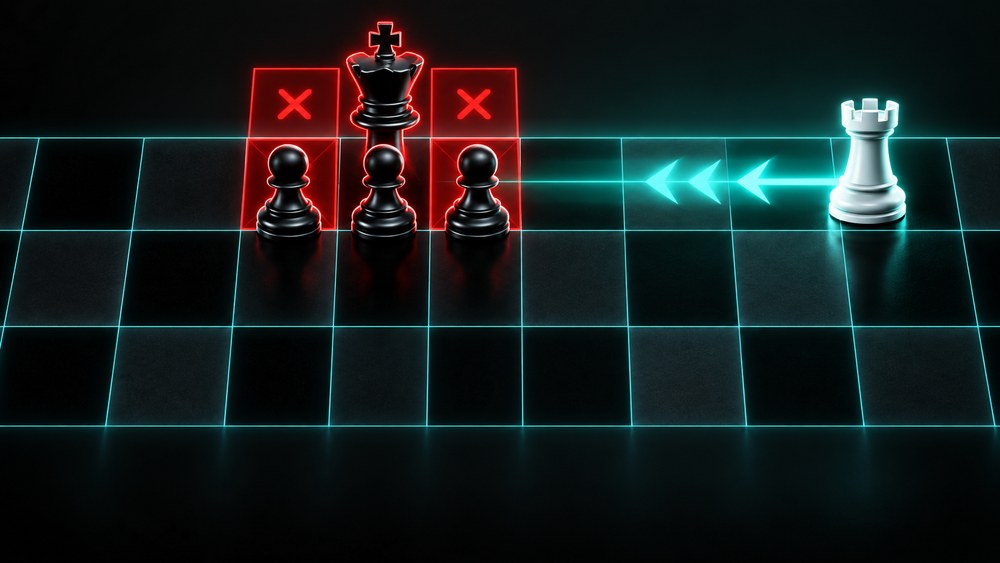
🚪 How To Exploit A Weak Back Rank In Chess starts by noticing a king trapped behind its own pawns. Even when immediate mate is impossible, back-rank pressure can overload defenders and create tactical wins elsewhere. A trapped king is …

Learn when Bxh7+ works, how to calculate the king retreats, and when to reject the Greek Gift sacrifice. Includes a five-test checklist and a practice routine.

Turn a lead in development into useful pressure. Compare active pieces, time your central break, improve with threats and convert activity into a lasting advantage.

🔥 How To Attack An Uncastled King begins with opening the center before the king can escape. An exposed king is a temporary target, so development and timing matter more than collecting a small amount of material. The goal is …

To punish slow development in chess, you must act before the opponent completes coordination. ⏳ A lead in development is a temporary advantage: every free move brings their army closer to safety. The goal is not to attack simply because …
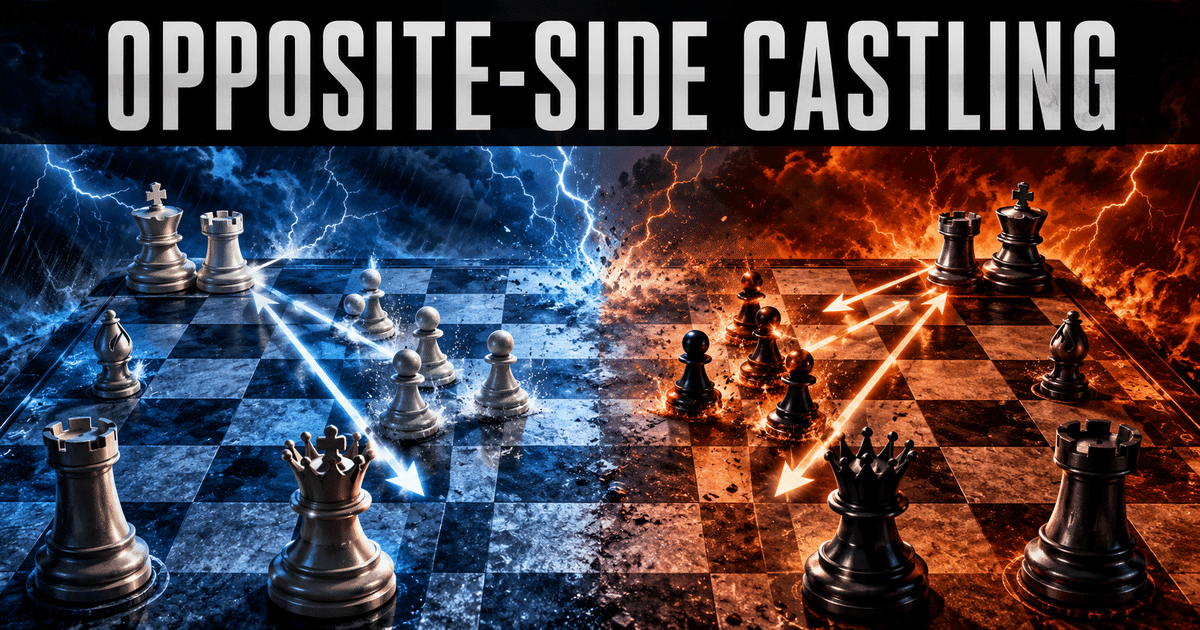
Opposite-side castling creates some of the most exciting positions in chess. Both kings live on different wings, so each player can advance pawns toward the enemy king without exposing their own shelter in the same way. 🔥 The result is …
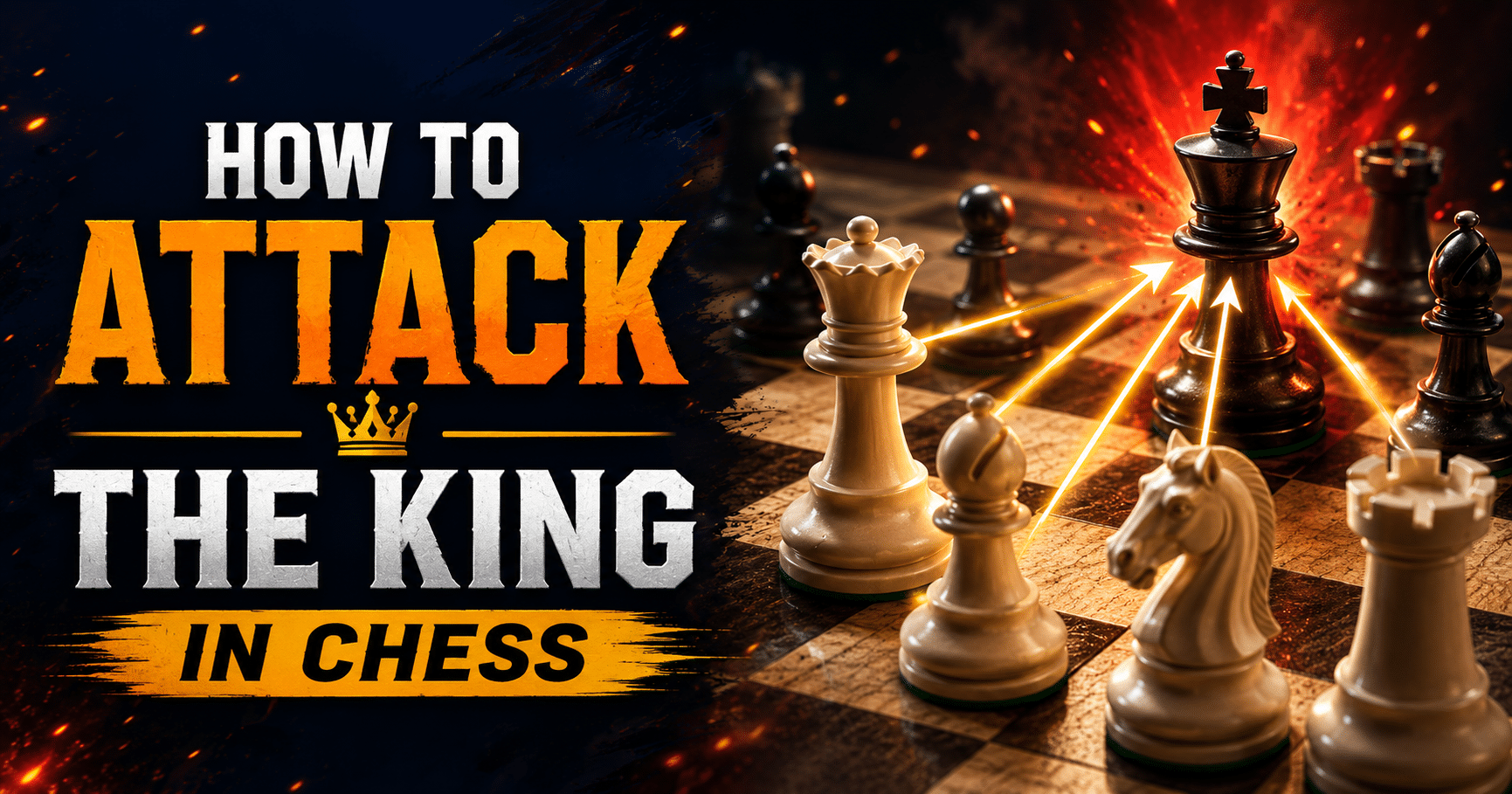
♟️ Many players want to learn how to attack the king in chess, but attacking is not only about throwing pieces forward. A successful king attack needs timing, coordination, calculation, and understanding. Many players attack too early. ⚠️ They sacrifice …
Not a member yet? Register now
Are you a member? Login now