Many players treat exchanges as automatic: trade when ahead, avoid trades when attacking, swap a bishop for a knight if it wins a pawn. But strong chess is rarely that simple. ♟️ Every exchange changes the position’s geometry, removes possibilities, …
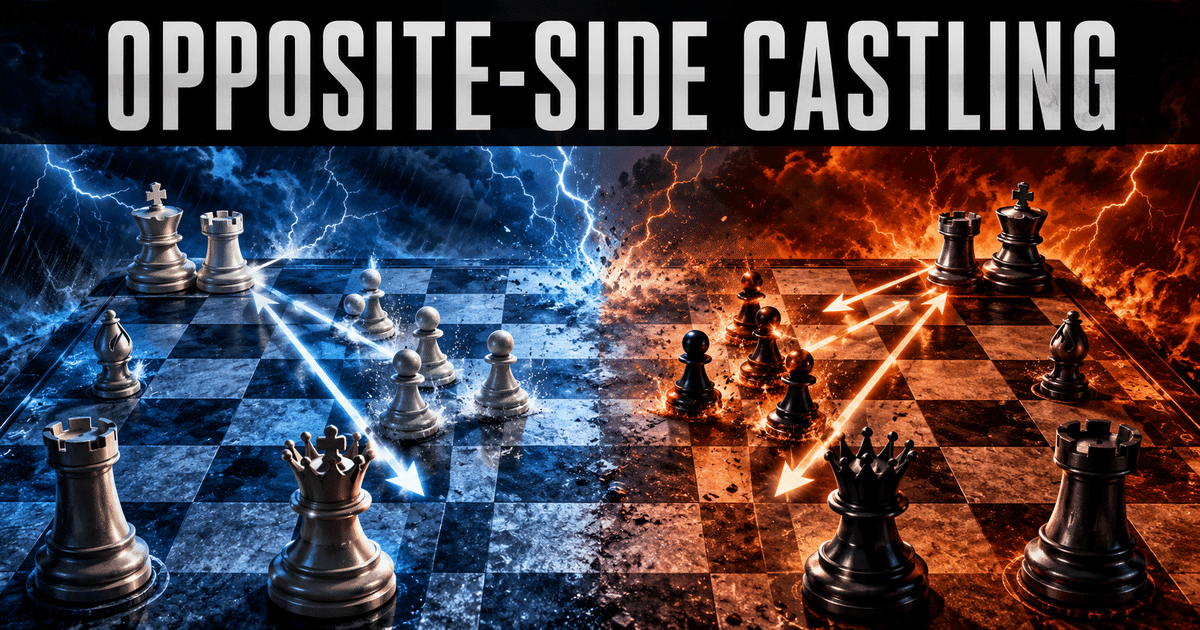
Opposite-side castling creates some of the most exciting positions in chess. Both kings live on different wings, so each player can advance pawns toward the enemy king without exposing their own shelter in the same way. 🔥 The result is …
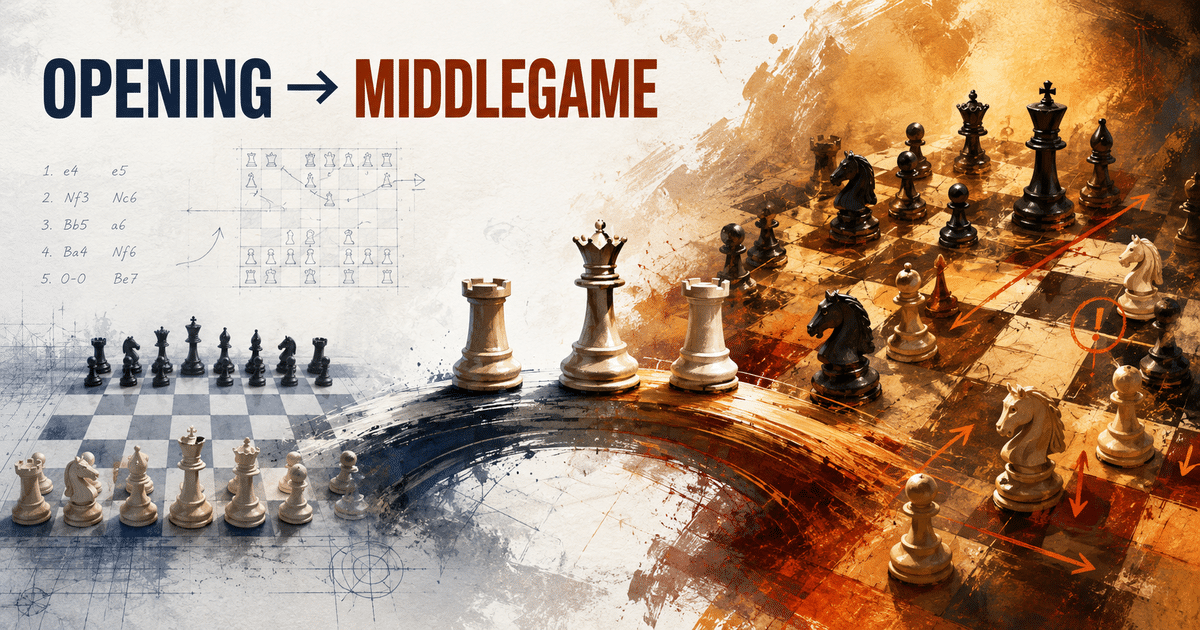
Many players know their opening moves but feel lost when the memorized line ends. The position is playable, yet no obvious instruction remains. 🧭 The transition from opening to middlegame is where knowledge must become understanding. A smooth transition requires …
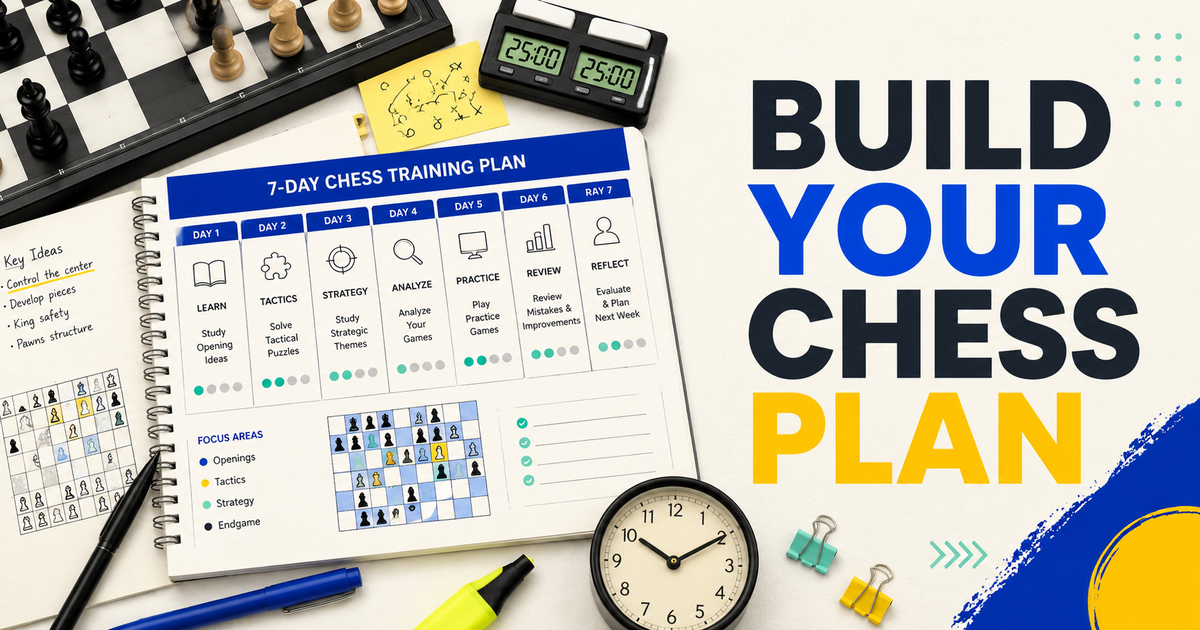
A good chess training plan turns motivation into repeatable work. Instead of studying whatever feels interesting that day, you give each weakness enough focused attention to improve. 📅 Structure creates consistency without making training rigid. The best plan is not …
Losing a chess game can feel personal. You invested time, energy, preparation, and pride—then one mistake or difficult decision changed the result. 😔 The emotion is real, but it does not have to control the next round. Recovery is a …
Chess concentration is the ability to keep returning your attention to the position for hours, even after surprises, mistakes, and fatigue. 🧠 Strong focus does not mean never becoming distracted—it means noticing the distraction and resetting quickly. A single lapse …
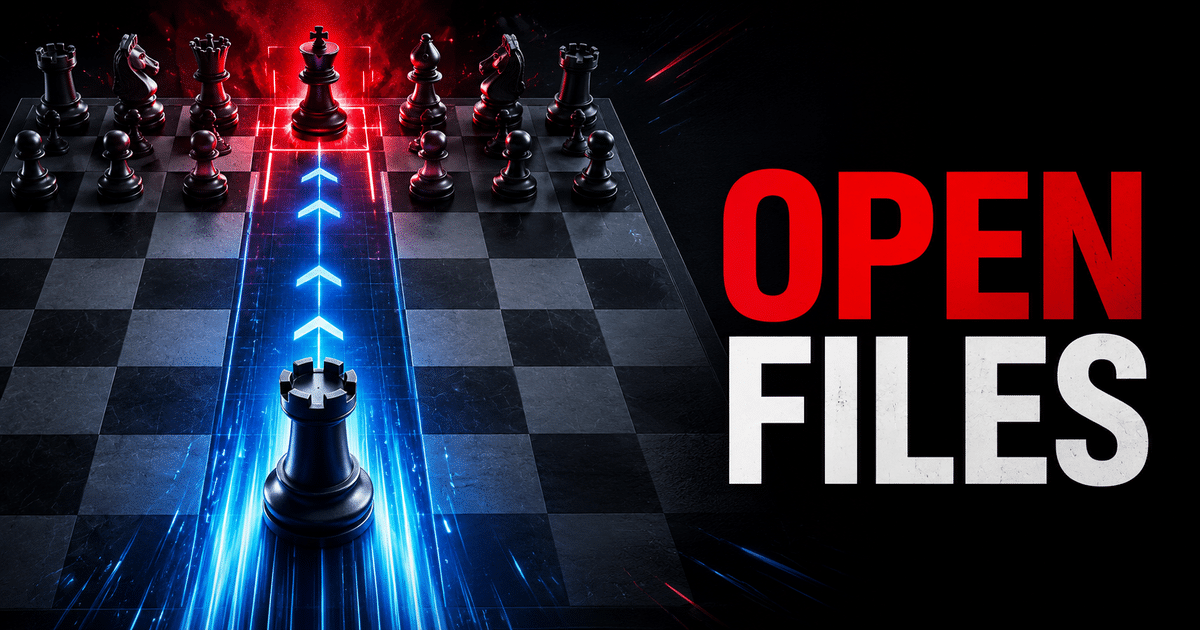
Open files are highways for rooks and queens. When no pawns remain on a file, heavy pieces can penetrate, attack weaknesses, and switch rapidly between ranks. ♜ Controlling an open file is valuable—but only when it leads somewhere useful. Many …
The bishop pair can become a powerful long-term advantage. Two bishops control both color complexes, operate across the entire board, and often grow stronger as the position opens. ♗♝ Their value, however, depends on how you shape the position. Simply …
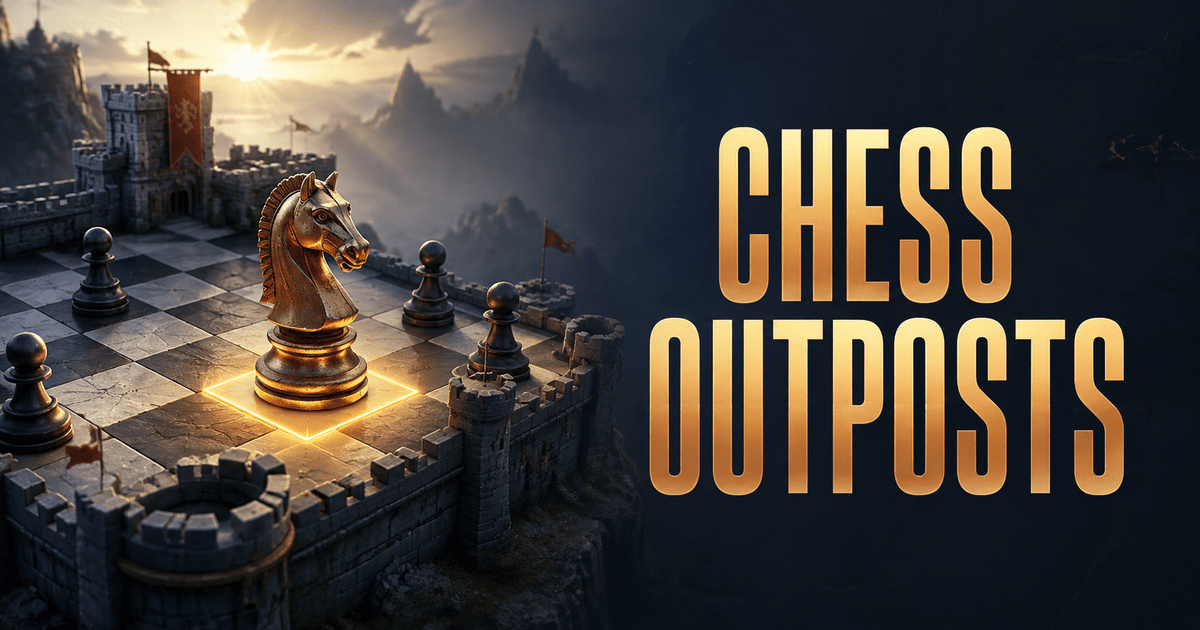
An outpost is a protected square in enemy territory that cannot easily be challenged by a pawn. When the right piece occupies it, the entire position can change. ♞ The opponent becomes restricted, weaknesses appear, and your plans gain a …